Did you know that your digestive (GI) tract is almost 30 feet wide? It is a key component in digestion and immunity, metabolism as well as mood regulation. However, 20-25% of Indians have digestive issues like bloating, acidity, constipation as well as irritable bowel syndrome(IBS).
Common symptoms of poor gut health are gas, bloating, sudden weight loss, diarrhoea and constipation. IBS can affect adults as well as children. Beyond digestion, a bad gut could also manifest in skin problems (eczema or dryness, rashes),sleep issues or fatigue, irritability or anxiety.
What is Gut Health?
The GI tract of your body can be described as a tube that runs from the mouth to anus. Each time you eat, and drink beverages, it triggers a chain of muscular contractures, chemical responses and hormones are used to break down food items, absorb nutrients and remove waste.
However, digestion isn't the sole job, the gut is also home to millions of viruses, bacteria, and fungal species called the microbiota in your gut. Few have been identified as "good bacteria," while others could be harmful. The proper balance is crucial for immunity, digestion metabolism, and overall health.
What Affects Gut Health?
-
Connecting the Brain: Stress depression, anxiety and stress can affect gut health because of the gut-brain connection.
-
Weight and Metabolism: Gut bacteria balance can lead to the body to gain weight, slow the metabolism of insulin, an increase in resistance and a higher risk of developing diabetes.
-
Chronic Disorders: Gut imbalances are associated with asthma, arthritis and inflammation diseases. Gut linings that are weak ("leaky the gut") may also trigger food sensitivities.
-
Environment: Cleanliness, pollution, animals, as well as the surrounding environment form the gut bacteria.
-
Diet: Excessive sugary food, alcohol, fried items and lactose or gluten intolerance may cause inflammation in the gut.
-
Lifestyle: Antibiotics, stress, certain medication, and unrestricted exercise can affect gut health.
How to Improve Gut Health
1. Eat More Fiber
It is recommended to consume between 25 and 30 grams of fiber per day. Fiber helps keep digestion in order and helps stop harmful bacteria from growing. The best sources are:
-
Lentils, whole grains and beans.
-
Guava, leafy green vegetables, apples, guava.
-
Seeds such as flaxseed and chia.
2. Avoid Gut-Inflaming Foods
Reduce your intake of refined sugars, snacks made from processed ingredients and fried food, instead choose:
-
Leafy greens, berries, nuts, olive oil.
-
Fish that are fat, such as sardines mackerel and salmon.
-
The gut-healing spices, ginger, turmeric and garlic.
3. Support a Healthy Gut Lining
The intestinal lining determines the foods that are absorbed into your body. Foods high in glutamine such as legumes, cabbage, dairy, and eggs can help maintain the intestinal lining. Traditional remedies such as cabbage juice to treat ulcers are built on the same principles.
4. Add Probiotics
Fermented foods help restore healthy bacteria that live in your gut, these include:
-
Curd, buttermilk, idli, dosa, fermented pickles, kefir.
-
Supplements with probiotics.
5. Consider Targeted Supplements
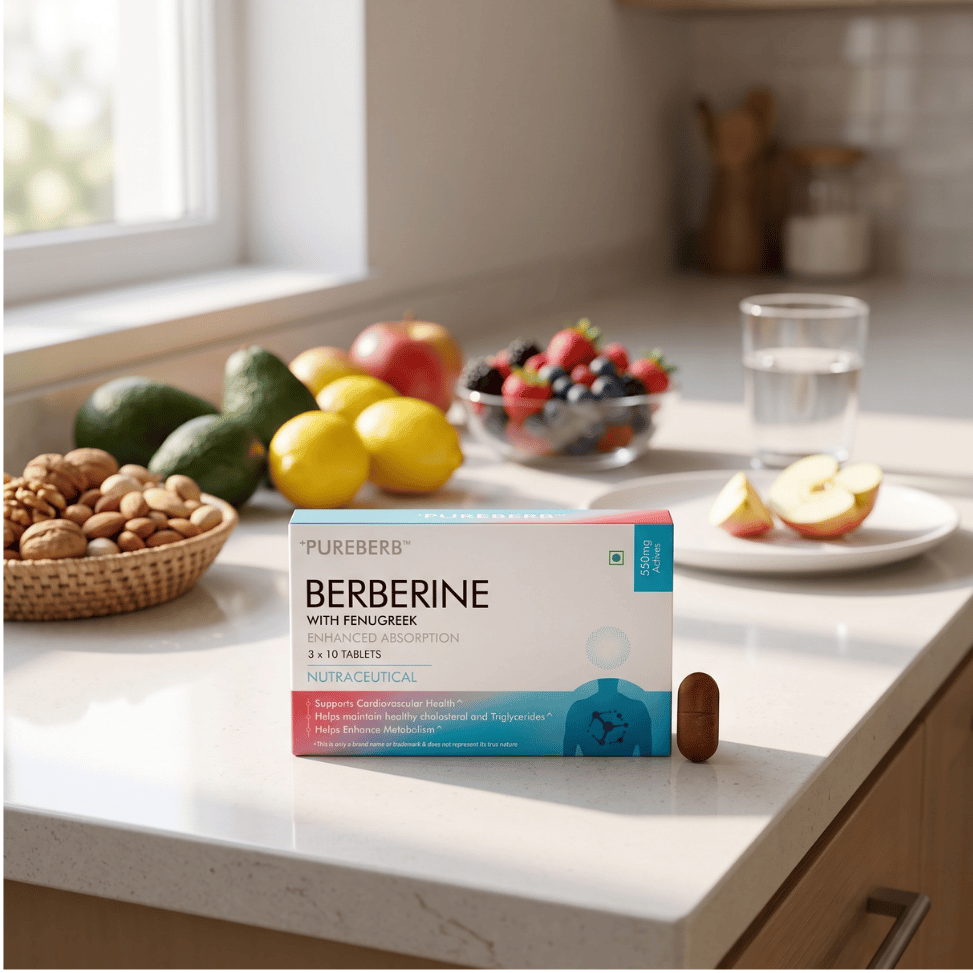
Along with probiotics, certain supplements, such as a Berberine supplement may help improve the health of your gut through reducing inflammation, increasing metabolism, and stabilizing the blood sugar level. If you suffer from IBS or a recurring digestive issue, berberine tablets can provide additional support taken in conjunction with a fiber-rich diet and lifestyle adjustments.
Final Thoughts
Your gut is more than the digestive system. It can affect your skin, immune system, mood, and your overall health. A balanced diet, mindful of taking antibiotics on a regular basis, regular exercises and stress reduction, as well as intelligent supplements can maintain the gut microbiota in good condition.
If you suffer from digestion issues, it may be time to look into improving your digestion health by changing your diet, adding probiotics in your food as well as other options that have been scientifically proven for their effectiveness, like Berberine tablets to offer additional help.