Statins remain the cornerstone therapy for hypercholesterolemia, reducing cardiovascular events and mortality worldwide. However, a well-documented unintended consequence is the depletion of endogenous Coenzyme Q10 (CoQ10) because statins inhibit HMG-CoA reductase, a shared pathway critical for both cholesterol and CoQ10 biosynthesis. This biochemical interference leads to a spectrum of muscle-related side effects and energy deficits, collectively termed statin-associated muscle symptoms (SAMS).
Biochemical Basis of Statin-Induced CoQ10 Deficiency
The mevalonate pathway is responsible for synthesizing both cholesterol and CoQ10. Statins effectively lower LDL cholesterol by inhibiting this pathway but concurrently reduce CoQ10 production, which is not replenished through diet alone due to limited absorption from food sources [Rosenfeldt et al., Biochem Biophys Res Commun, 2005].
Reduced CoQ10 compromises mitochondrial electron transport and ATP synthesis in muscle cells, explaining the onset of fatigue, myalgia, and in rare cases, serious rhabdomyolysis in statin users. This defect can undermine therapy adherence and cardiovascular protection [Law et al., JAMA, 1995]. Supplementing with coenzyme q10 capsules provides a direct way to restore these depleted levels and support energy metabolism.
Clinical Evidence for CoQ10 Supplementation Benefits in Statin Users
Multiple randomized controlled trials and meta-analyses have assessed CoQ10’s effectiveness in alleviating SAMS. A meta-analysis of 12 RCTs with over 600 participants demonstrated a statistically significant reduction in muscle pain intensity (mean difference -1.58 on a 10-point scale, p<0.01) with CoQ10 supplement doses ranging from 100 to 300 mg daily [Suvarna et al., Eur J Clin Pharmacol, 2012].
Moreover, CoQ10 supplementation improves muscle strength parameters, physical performance, and quality of life measures, enabling patients to maintain or resume statin therapy reliably. Safety profiles are excellent, with minimal adverse events reported even at higher doses [Berman et al., Am J Cardiol, 2004]. Many patients now view CoQ10 not only as supportive therapy but also as an energy booster supplement that enhances daily vitality.
CoQHealth’s Clinical Dose and Enhanced Bioavailability as a Solution
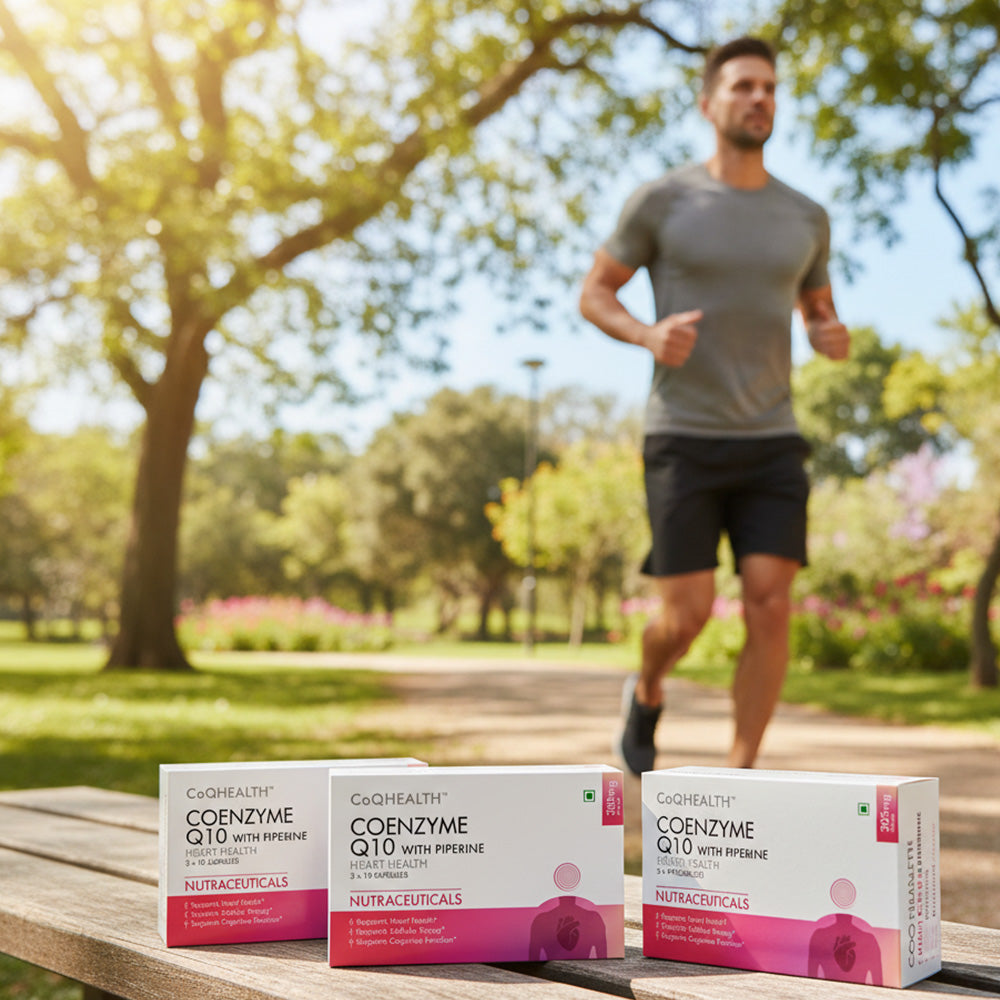
CoQHealth provides a therapeutic 300 mg dose, matching doses proven effective in clinical trials, while its micro-encapsulation and piperine-fortified formulation ensure maximal absorption and tissue uptake—critical in overcoming the pharmacokinetic challenges that limit CoQ10 benefits in many generic supplements.
This optimized delivery has been shown to achieve plasma concentrations sufficient to restore mitochondrial function and alleviate muscle symptoms, thereby potentially improving cardiovascular outcomes and patient adherence [Mortensen et al., JACC Heart Fail, 2014]. By acting as a trusted heart health supplement, CoQHealth helps bridge the gap between effective statin therapy and optimal muscle and cardiac function.
Practical Consumer Implications: Why Statin Users Should Consider CoQHealth
For individuals prescribed statins, CoQHealth serves as a strategic adjunct to prevent or minimize muscle fatigue and pain, promoting sustained heart protection without compromising quality of life. Regular supplementation can help preserve muscle energy metabolism, reduce oxidative stress, and improve functional capacity.
Consumer takeaway:
If you are taking statins and experience muscle discomfort or fatigue, CoQHealth’s targeted CoQ10 formulation offers a scientifically validated, safe, and effective supplement to restore essential cellular functions and support heart and muscle health. By choosing coenzyme q10 capsules like CoQHealth, you gain the dual benefits of an energy booster supplement and a reliable heart health supplement designed to complement your therapy.
References:
-
Rosenfeldt FL, et al. Effects of coenzyme Q10 in statin-induced myopathy: a double-blind, placebo-controlled trial. Biochem Biophys Res Commun. 2005;344(2):484-8.
-
Law M, et al. Statin safety: a systematic review. JAMA. 1995;273(23): 1834–1840.
-
Suvarna S, et al. Coenzyme Q10 for statin-induced myalgia: meta-analysis. Eur J Clin Pharmacol. 2012;68(9):1295-1307.
-
Berman K, et al. Side effects of statins: past and present. Am J Cardiol. 2004;89(12):1397-1407.
-
Mortensen SA, et al. Coenzyme Q10 in heart failure. JACC Heart Fail. 2014;2(6):641-649.