Did you know that your skin contains about 300 sweat glands per inch in some zones and is responsible for 15 percent of your weight? It is also your largest organ that renews itself every 28-days.
Your skin is your primary protection against microbes, pollution, dust and harmful UV rays. It also controls body temperature and prevents excessive water loss. In India hot, humid weather, high pollution and intense sunlight exposure are daily realities making a skin-safety program essential.
Skin 101: The Three Main Layers
1. Epidermis
The epidermis is the outer layer which produces melanin - the pigment that gives skin colour as well as sun-protection. Indians naturally have higher levels of melanin which helps reduce sun damage but also increases the chance of skin pigmentation, tanning and vitamin D deficiencies.
The top layer is renewed every 28-days. The most popular treatments in India such as scrubs and peels of fruits aid in the speed of this process.
2. Dermis
Dermis includes collagen, elastin, sweat, oil glands as well as blood vessels. Skin disorders such as acne, eczema and others usually begin here.
3. Hypodermis
The hypodermis is a fat storage area that cushions bones and muscles. As you age, this layer shrinks, leading to wrinkles and skin sagging.
How Indian Skin Changes as we age
-
Skin that is thin: The skin becomes delicate and dry, particularly in humid, hot climates.
-
Problems with pigmentation: Dark spots (melasma), tanning and sunspots are typical.
-
A decrease in oil production: Older adults might have itchy or flaky skin.
-
A slower healing: Acne marks and bruises can be more difficult to heal.
-
Issues related to heat: A decrease in sweat glands as we age increases the chance of heat rashes.
Six Tips for Healthy, Glowing Skin
1. Get Enough Sleep
The skin repairs itself during the night and produces collagen. Lack of sleep causes dark circles, dullness and more rapid ageing. The goal is to get 7 to 9 hours of sleep per day.
2. Manage Stress
Stress hormones can lead to acne, eczema and hair loss. Indian practices such as the practice of yoga, meditation and pranayama can help to balance the mind and promote healthy skin.
3. Quit Smoking and Reduce Alcohol
Smoking can damage collagen and cause a decrease in blood flow. Alcohol reduces the hydration of skin and can increase pigmentation.
4. Stay Hydrated & Eat Antioxidant-Rich Foods
Consume eight to ten glasses of fluids every day particularly during summer. Add Indian superfoods like:
-
Amla, papaya, as well as the pomegranate fruit for antioxidants.
-
Spinach and carrots are rich in vitamins.
-
Flaxseeds, walnuts, and fish are good sources of omega-3 fatty acids.
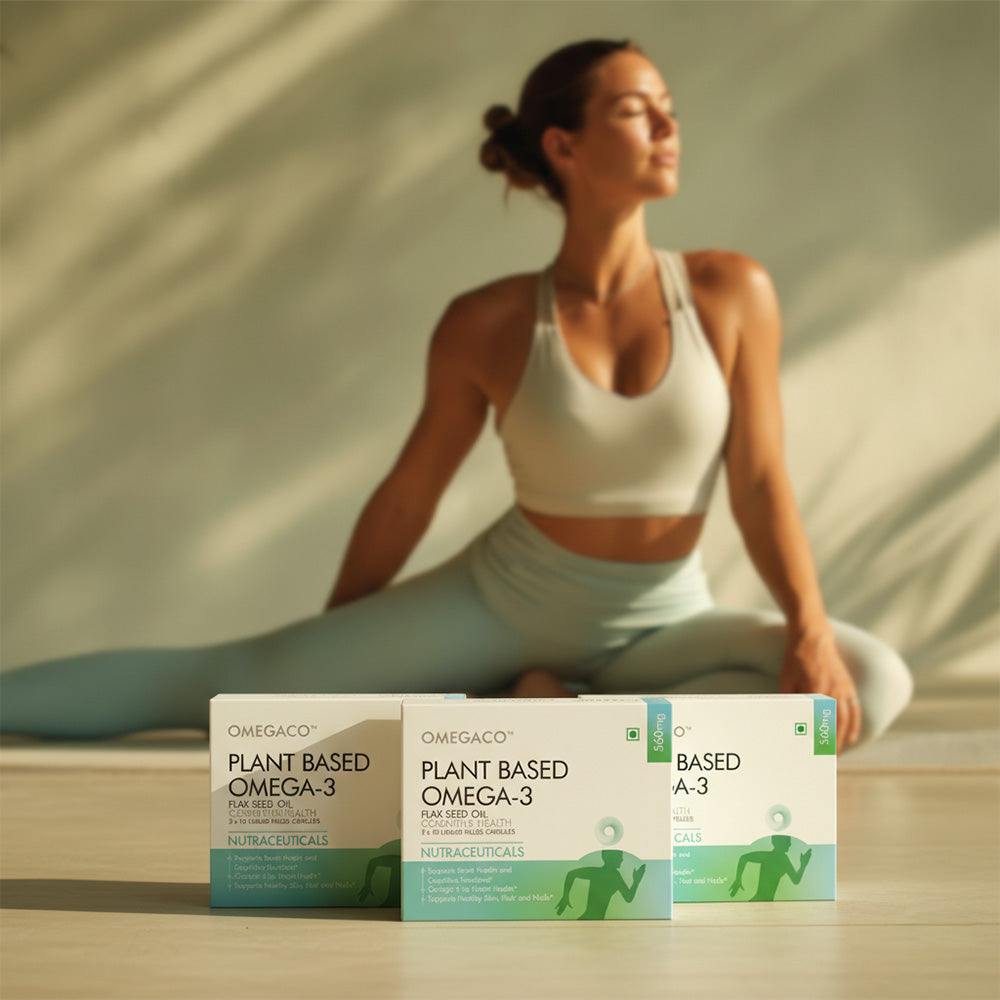
Supplements for vegetarians are an excellent option. You can incorporate supplements with omega 3 into your food regimen to help reduce the appearance of inflammation, help keep your skin soft and aid in the overall repair of your skin.
Spices such as ginger, turmeric along with cinnamon are also natural skin boosters.
5. Be safe from the Sun
-
Avoid direct sunlight between 11 a.m. until 3 p.m.
-
Make sure you use a broad spectrum sunscreen even on cloudy days.
-
Wear a cotton shirt or sunglasses to shield yourself from pollution and UV rays.
6. Follow a Gentle Skincare Routine
-
Make use of mild cleansers in place of soaps that are harsh.
-
Take short, lukewarm baths.
-
Make sure to apply moisturizer just after bathing in order to lock in the hydration.
-
In dry times, try humidifiers or bowls of water inside.
Final Thoughts
Your skin isn't just a cover-up - it's also your skin's defense and mirror to show your health. Through a healthy lifestyle by eating nutritious foods and supplementing your diet with options such as an omega 3 supplement or a plant based omega 3 supplement to keep your skin healthy, radiant and strong in spite of the harsh climate of India.