Medically reviewed by Dr. Reina Punj, MBBS, PG Diploma in Endocrinology (University of South Wales), Lead Physician, Excelgenics Clinical Panel.
Many Indians feel they are not sleeping well, although reliable national data are limited and most quoted figures come from commercial surveys. Expert panels such as the US National Sleep Foundation recommend 7 to 9 hours a night for most adults.
Why do some people feel refreshed after six hours while others need nine? Sleep needs vary with genetics, age, stress, diet, screens and lifestyle, and childhood habits such as irregular bedtimes can carry into adulthood.
However, the universal truth is that adequate sleep is vital for good health, energy and focus. In today's India, with late-night work calls, exams, irregular meals and endless screens, many adults do not get the 7 or more hours of rest they need.
Sleep Needs Through Life
The National Sleep Foundation's recommended sleep durations (per 24 hours, including naps for young children) are a useful guide:
- Newborns (0–3 months): 14–17 hours, in short cycles with a high proportion of REM sleep.
- Infants and toddlers: 12–15 hours for infants and 11–14 hours for toddlers.
- School-age children: 9–11 hours. A set bedtime helps.
- Teenagers: 8–10 hours. Teens tend to go to bed late but wake early for school, so many get much less than they need, which can affect mood and concentration.
- Young adults (18–25): 7–9 hours. Studies, work stress and social media often cut sleep short, and regularly sleeping too little is linked with a higher risk of long-term health problems.
- Adults (26–64): 7–9 hours. Big weekend lie-ins can shift your body clock, making Monday mornings harder.
- Older adults (65+): 7–8 hours. Sleep tends to become lighter and more broken, with more daytime naps. Insomnia and sleep apnoea become more common and should be discussed with a doctor.
What Does Normal Sleep Look Like?

Through the night you cycle several times through non-REM and REM sleep:
- Stage 1 (non-REM): Light sleep as you drift off; you wake easily.
- Stage 2 (non-REM): Body temperature drops and heart rate and breathing slow. You spend more time in this stage than any other.
- Stage 3 (non-REM): Deep, restorative sleep, mostly in the first half of the night. It is hard to wake someone from this stage.
- REM sleep: First occurs about 90 minutes after falling asleep. The brain is active, most dreaming happens, and REM is thought to play a role in memory. REM periods get longer later in the night.
Why Sleep Matters
Think of sleep as your body and brain's maintenance time. While you rest:
- Research suggests the brain clears away waste products that build up while you are awake.
- The body repairs tissue, and sleep supports normal immune function.
- Appetite hormones stay in balance: without enough sleep, ghrelin (which increases hunger) rises and leptin (which signals fullness) falls.
- Blood sugar regulation is supported; sleep loss can push blood sugar above normal.
Lack of sleep can trigger cravings for fried and sugary foods and caffeine. Nutrition matters too: magnesium contributes to normal functioning of the nervous system, normal muscle function and normal psychological function. Good sources include nuts, seeds, pulses and leafy greens. A magnesium bisglycinate supplement such as Magneva provides 350 mg magnesium with 1.9 mg vitamin B6 per tablet, taken once a day, preferably 30–60 minutes before bedtime. It is not a treatment for insomnia or any sleep disorder. See our Magnesium Supplements Guide.
Risks of Poor Sleep
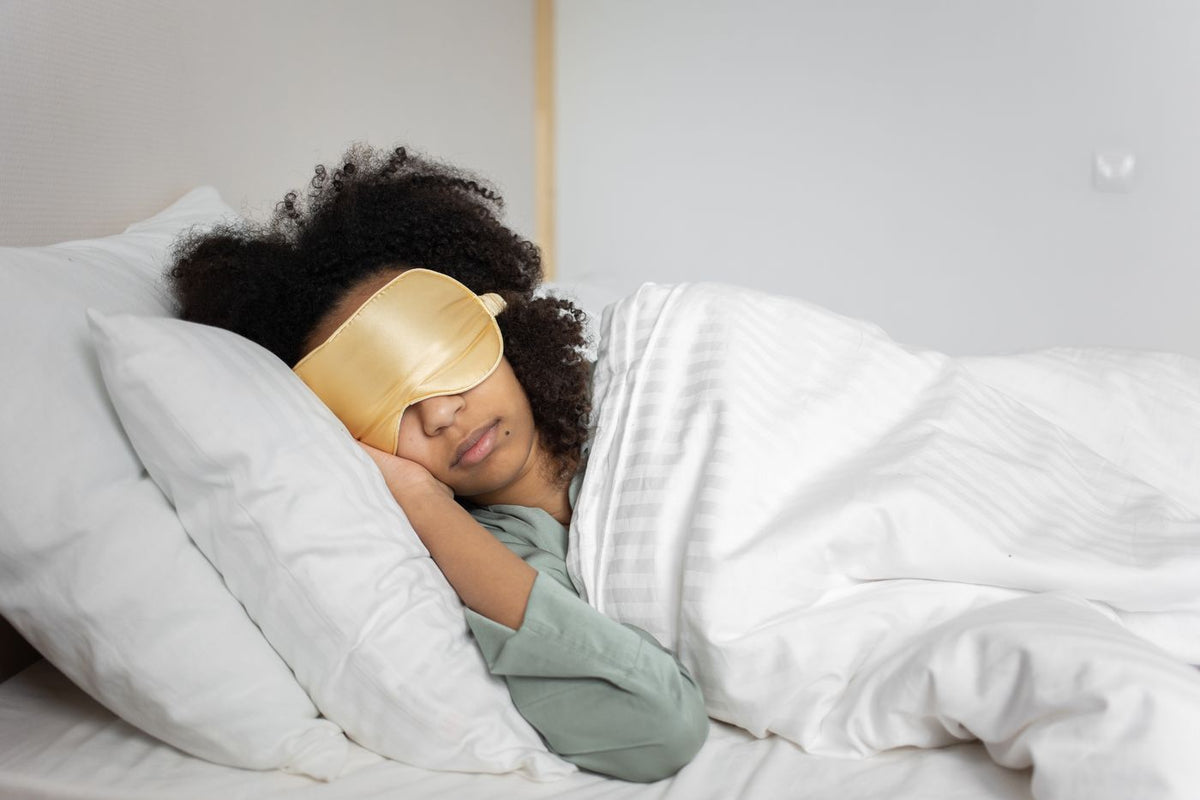
Regularly not getting enough sleep can:
- Leave you irritable, with mood swings and poor concentration.
- Increase hunger and cravings, making weight harder to manage.
- Raise blood sugar above normal and is linked with a higher risk of type 2 diabetes, high blood pressure, obesity, heart disease and depression.
- Increase the risk of accidents, from workplace injuries to road crashes. Research suggests drowsy driving can impair driving as much as alcohol, a serious concern on Indian roads.
Better Sleep Habits - What You Can Do
- Reduce screen time: Switch off laptops, phones and TV for at least an hour before bed. Bright screens and stimulating content can delay sleep.
- Calm your mind: Meditation, journaling and breathing exercises can help reduce stress.
- Traditional comforts: A warm, caffeine-free drink such as turmeric milk or chamomile tea can be a relaxing part of a bedtime routine. Check with your doctor before taking herbal supplements such as ashwagandha, especially if you take medicines or have a medical condition.
- Look at your nutrition: Include magnesium-rich foods; if you add a magnesium supplement, take only one magnesium product.
- Follow a sleep schedule: Go to bed and wake up at the same time each day, including at weekends.
- Improve your space: Keep your bedroom cool, dark and quiet. Use fans, curtains and white noise.
- Let your senses relax: Many people find a warm bath or a calming scent such as lavender helps them unwind.
- Be mindful of your diet: Avoid late-night fried food and heavy meals. Caffeine can affect the body for up to 7 hours, so avoid tea and coffee in the evening.
- Keep active: Regular exercise encourages deeper sleep; just avoid intense exercise late at night.
If you regularly struggle to fall or stay asleep, snore loudly, or are told you stop breathing or gasp in your sleep, see a doctor. Insomnia and sleep apnoea are medical conditions that need proper diagnosis and treatment.
Magnesium safety notes
350 mg is the NIH upper limit for supplemental magnesium, so do not add other magnesium supplements. Side effects can include loose stools, nausea and stomach cramps. With kidney disease, ask your doctor first. Take it a few hours apart from certain antibiotics and bisphosphonates.
Final Word
Whatever your age or lifestyle, sleep is a necessity. Prioritising rest, building healthy habits and eating a nutrient-rich diet can help you feel more focused and energetic. If poor sleep persists, speak to a doctor.
References
- Hirshkowitz M, Whiton K, Albert SM, et al. National Sleep Foundation's updated sleep duration recommendations: final report. Sleep Health. 2015;1(4):233–243. doi:10.1016/j.sleh.2015.10.004
- National Institute of Neurological Disorders and Stroke (NIH). Brain basics: understanding sleep. ninds.nih.gov
- National Heart, Lung, and Blood Institute (NIH). Sleep deprivation and deficiency: how sleep affects your health. nhlbi.nih.gov
- NHS. Self-help tips to fight tiredness. nhs.uk
This article is for general education and is not medical advice. Food supplements are not intended to diagnose, treat, cure or prevent any disease. Consult a qualified healthcare professional before starting any supplement, particularly if you are pregnant, breastfeeding, have a medical condition or take medication.