Medically reviewed by Dr. Reina Punj, MBBS, PG Diploma in Endocrinology (University of South Wales), Lead Physician, Excelgenics Clinical Panel.
Two Ancient Botanicals, One Modern Problem
The meeting point of Ayurveda and modern clinical science is fascinating, and it is also where careful reading matters most.
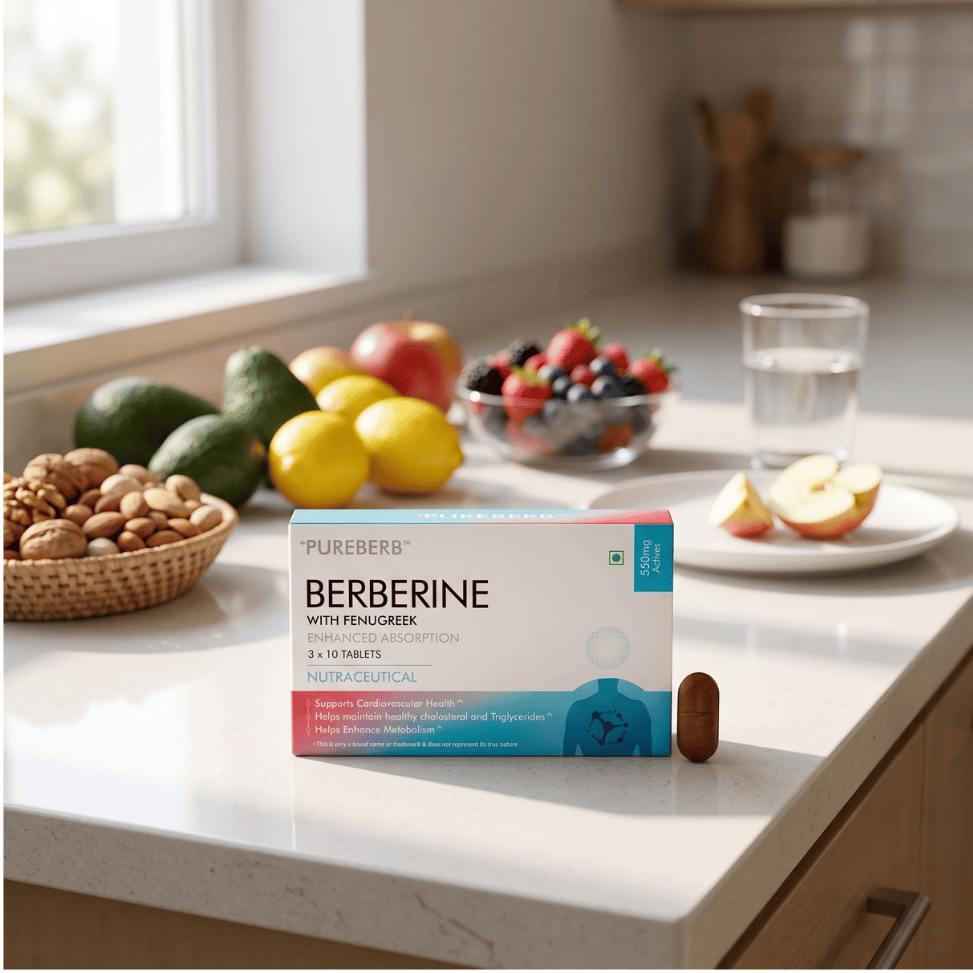
Berberine, found in plants used in traditional Chinese and Indian medicine, and fenugreek, a staple of Indian kitchens, have both been researched for effects on glucose and fat metabolism. Comparing fenugreek vs berberine, each has its own evidence base at very different doses, and whether they work better together has barely been tested.
The Clinical Case for Berberine
Berberine activates AMPK, a key cellular energy sensor. Research has linked it with:
- Glucose uptake and insulin sensitivity
- Glucose output from the liver
- LDL cholesterol and triglycerides
- Gut microbiota composition
A 2012 meta-analysis of 14 trials in type 2 diabetes found berberine alone was not significantly different from oral diabetes medicines (metformin, glipizide or rosiglitazone) for glucose control, but rated the trials as generally low quality. Berberine has its own side effects, mainly digestive. (Dong H et al., 2012)
The Ayurvedic Power of Fenugreek
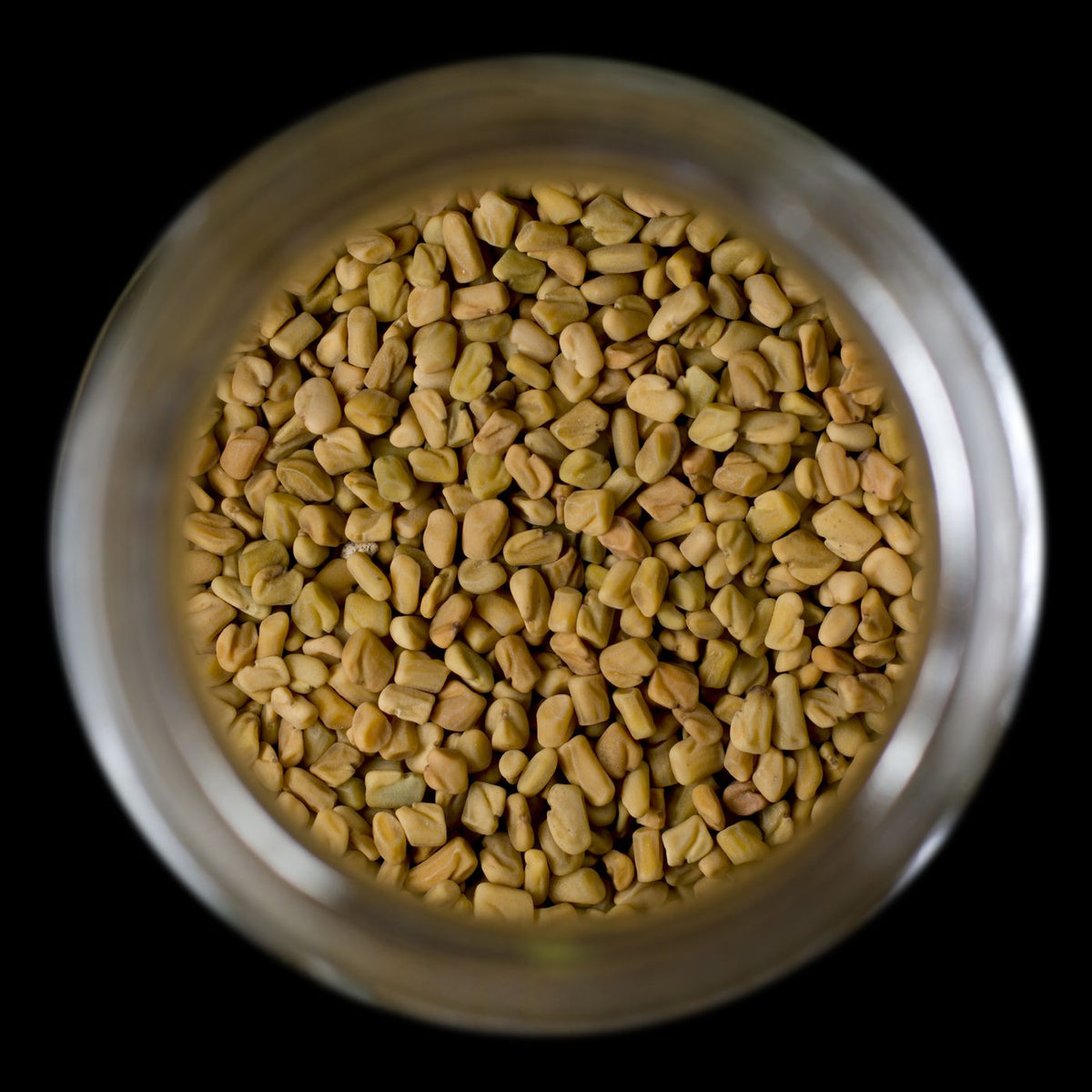
Fenugreek (Trigonella foenum-graecum), or methi, has been valued for centuries. Research has looked at:
- Galactomannan, a seed fibre that slows carbohydrate digestion
- 4-hydroxyisoleucine, which stimulates insulin release in laboratory studies
- Post-meal glucose and blood lipids
A 2014 meta-analysis found fenugreek seed powder at 5 g a day or more lowered fasting glucose in people with diabetes, though most trials were low quality (Neelakantan N et al., 2014). Claims that fenugreek "balances" female hormones are not well supported.
Fenugreek vs Berberine at a Glance

| Berberine | Fenugreek | |
|---|---|---|
| Main proposed action | Cells (AMPK), liver and gut | Gut, via seed fibre |
| Typical research dose | About 1,000–1,500 mg a day | 5 g+ seed powder a day |
| In Pureberb per day | 1,000 mg berberine HCl | 100 mg seed extract |
Is There Synergy in Pureberb?
The idea is that berberine works through cellular and gut pathways while fenugreek is a traditional digestive botanical. But a 12-week trial of a berberine–fenugreek supplement in 50 people with type 2 diabetes found no significant difference from placebo in fasting insulin, and glucose and insulin resistance changes were only "clinically" significant (Nematollahi S et al., 2022). That is not evidence that the two multiply each other's effects.
Who Might Consider Pureberb?
- Adults wanting to support normal metabolism alongside diet and activity
- People interested in traditional Indian botanicals who have checked with their doctor that berberine suits them
Pureberb is not a replacement for prescribed medicine. Berberine interacts with many medicines via CYP liver enzymes and may add to the effect of diabetes and blood-pressure medicines. Not for pregnancy, breastfeeding or infants.
What Is in Pureberb
- 500 mg berberine HCl + 50 mg fenugreek seed extract per tablet
- 1 tablet twice daily, 15–30 minutes before meals, with water
Where Tradition Meets Evidence
You shouldn't have to choose between Ayurveda and evidence, but evidence should decide what is claimed. Pureberb combines a well-researched alkaloid with a traditional Indian botanical, as a food supplement to support normal metabolism.
References
- Dong H, Wang N, Zhao L, Lu F. Berberine in the treatment of type 2 diabetes mellitus: a systemic review and meta-analysis. Evid Based Complement Alternat Med. 2012;2012:591654. doi:10.1155/2012/591654
- Neelakantan N, Narayanan M, de Souza RJ, van Dam RM. Effect of fenugreek (Trigonella foenum-graecum L.) intake on glycemia: a meta-analysis of clinical trials. Nutr J. 2014;13:7. doi:10.1186/1475-2891-13-7
- Nematollahi S, Pishdad GR, Zakerkish M, et al. The effect of berberine and fenugreek seed co-supplementation on inflammatory factor, lipid and glycemic profile in patients with type 2 diabetes mellitus: a double-blind controlled randomized clinical trial. Diabetol Metab Syndr. 2022;14:120. doi:10.1186/s13098-022-00888-9
This article is for general education and is not medical advice. Food supplements are not intended to diagnose, treat, cure or prevent any disease. Consult a qualified healthcare professional before starting any supplement, particularly if you are pregnant, breastfeeding, have a medical condition or take medication.