Medically reviewed by Dr. Reina Punj, MBBS, PG Diploma in Endocrinology (University of South Wales), Lead Physician, Excelgenics Clinical Panel.
The Hidden Gap in Plant-Based Diets
Indian vegetarians are among the most nutritionally mindful people in the world. Yet many share one common gap: omega-3 fatty acids. These essential fats are part of every cell membrane and are involved in normal heart, brain and cell function, but they are not abundant in typical vegetarian meals.
That's where Omegaco, a plant-based omega-3 from cold-pressed flaxseed oil, can help, with no fish derivatives.
The Omega-3 Essentials: What They Do and Why You Need Them
Omega-3s are involved in:
- The structure of brain cells (especially DHA)
- Normal heart and blood vessel function
- Skin cell membranes
- Cell signalling and the body's normal inflammatory responses
ALA (alpha-linolenic acid), found in flaxseed oil, is the main omega-3 in plant foods. But the body converts only a small percentage of ALA (reported rates below 15%) into the longer-chain omega-3s EPA and DHA.
Research shows vegetarians and vegans have substantially lower blood and tissue DHA than fish eaters, although the health significance of this is still unclear (Sanders TA, Prostaglandins, Leukotrienes and Essential Fatty Acids, 2009).
Why Food Alone Often Falls Short
Even health-conscious vegetarians often fall short on omega-3s. Common reasons include:
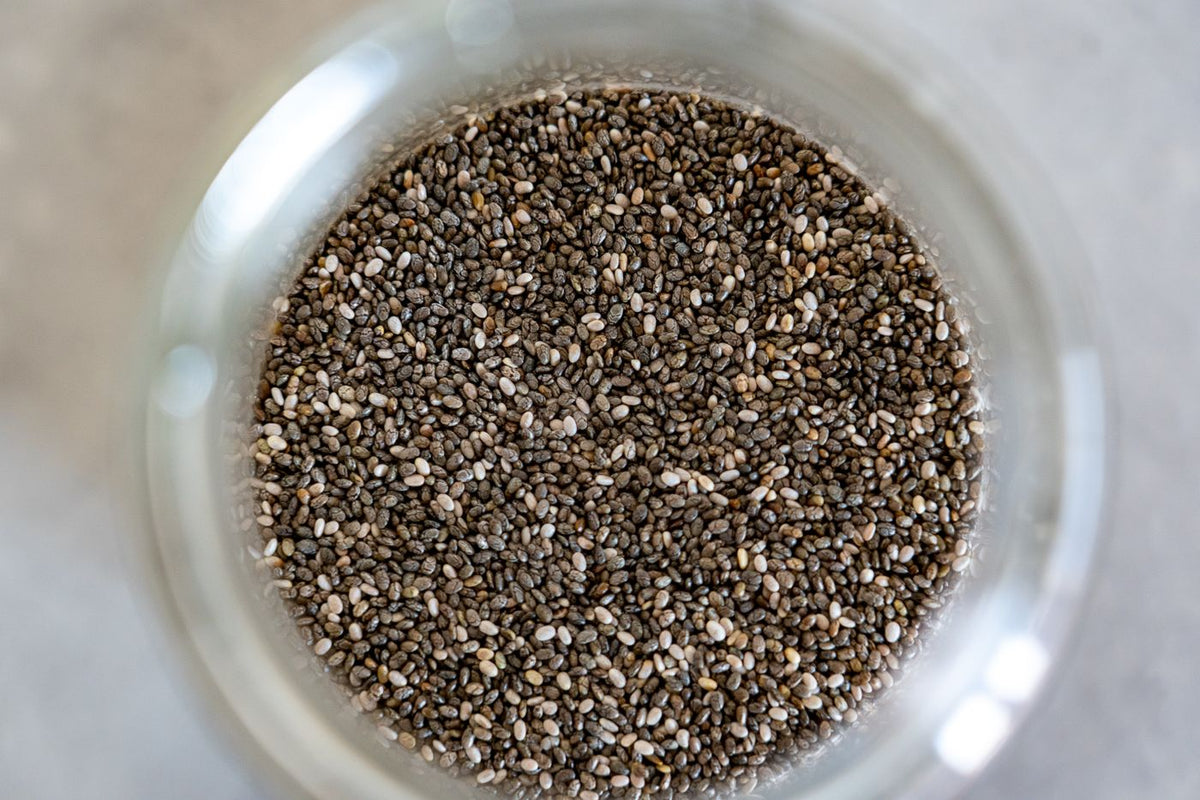
- Low intake of flaxseed, chia, walnuts or hemp seeds (the main ALA sources)
- Heavy use of omega-6-rich cooking oils
- No direct source of EPA or DHA
ALA needs can be met from food, and a supplement simply makes consistency easier. Short-term ALA intake raises blood EPA but not DHA, while about 200 mg a day of pre-formed DHA substantially raises DHA in vegetarians (Sanders, 2009), so algal oil is the vegetarian route if DHA is your goal.
What Omegaco Offers

Omegaco by Excelgenics is:
- 560 mg of cold-pressed flaxseed oil per capsule (an estimated ~300 mg of ALA)
- A plant-based vegetarian capsule with no fish derivatives or preservatives
- One capsule daily with a meal containing healthy fats
Omegaco does not contain EPA or DHA, and ~300 mg of ALA is roughly a quarter of the adequate intake for adult women, so it works best alongside ALA-rich foods.
Who Should Consider Supplementing
- Vegetarians or vegans not regularly eating flaxseed, chia or walnuts
- People whose cooking relies on refined, omega-6-rich oils
- Adults looking to improve the fat quality of their diet
Flaxseed oil might interact with blood-thinning medicines, so check with your doctor first if you take them. Avoid it in pregnancy or breastfeeding unless your doctor advises it, and ask a doctor before giving supplements to children or teenagers.
Healthier Habits Deserve Smarter Support
Being vegetarian isn't a limitation; it's a strength. Omega-3s are not a bonus nutrient: ALA is essential. With Omegaco, Excelgenics offers a simple, plant-based source of it.
Omegaco. Plant omega-3 for conscious living.
References
- Sanders TA. DHA status of vegetarians. Prostaglandins, Leukotrienes and Essential Fatty Acids. 2009;81(2–3):137–141. doi:10.1016/j.plefa.2009.05.013
- National Institutes of Health, Office of Dietary Supplements. Omega-3 Fatty Acids: Fact Sheet for Health Professionals. ods.od.nih.gov
- National Center for Complementary and Integrative Health. Flaxseed and Flaxseed Oil. nccih.nih.gov
This article is for general education and is not medical advice. Food supplements are not intended to diagnose, treat, cure or prevent any disease. Consult a qualified healthcare professional before starting any supplement, particularly if you are pregnant, breastfeeding, have a medical condition or take medication.