Medically reviewed by Dr. Reina Punj, MBBS, PG Diploma in Endocrinology (University of South Wales), Lead Physician, Excelgenics Clinical Panel.
In today's fast-paced lifestyle, women often juggle work, home and their own wellbeing, and eating well through all of it can be a challenge. One nutrient that often comes up in conversations about women's health is omega-3. While most people associate omega-3 with fish oil, vegetarian omega 3 options are available too.
If you prefer plant-based nutrition, a plant based omega 3 supplement can help you add omega-3 fats to your diet without fish or animal products.
What is Omega 3 and Why Does It Matter for Women?
Omega-3 fatty acids are healthy fats. One of them, alpha-linolenic acid (ALA), is essential because the body cannot make it. The others, EPA and DHA, come mainly from oily fish and algae. The body converts only a small amount of ALA into EPA and DHA (reported rates are below 15%), although conversion appears somewhat higher in women than in men.
Omega-3s are part of every cell membrane and are involved in normal cell signalling, including signalling molecules that take part in the body's normal inflammatory and hormonal processes. Women's needs also change across life: the adequate intake of ALA is 1.1 g a day for adult women, rising to 1.4 g in pregnancy and 1.3 g while breastfeeding.
Many women prefer vegetarian options for dietary, taste or ethical reasons. That's where an omega 3 vegetarian supplement such as Excelgenics Omegaco, based on flaxseed oil, comes in.
1. Hormonal Health and Balance
Hormones influence many of the body's processes, from metabolism and mood to reproductive health. Changes across the menstrual cycle, pregnancy and menopause are normal and can bring changes in mood, energy and skin.
Omega-3 fats are building blocks of cell membranes, and the dietary balance of omega-6 to omega-3 fats influences the signalling molecules the body produces. Research on omega-3 supplements for period-related symptoms is limited, mostly small and mostly based on fish oil, so it is not possible to say that a vegetarian omega 3 will ease these symptoms.
If you have troublesome period, premenstrual or menopausal symptoms, speak to a doctor. Omega 3 vegetarian capsules can be part of a balanced diet, but they are not a treatment.
2. Glowing and Healthy Skin
Healthy-looking skin depends on sleep, sun protection, stress and nutrition. Essential fatty acids are structural components of skin cell membranes and are relevant to the skin's natural barrier and hydration.
A plant based omega 3 supplement like Excelgenics Omegaco provides ALA, one of these essential fats. There is not enough evidence to say that a flaxseed oil capsule reduces acne or redness, or that omega-3 boosts collagen production.
Including omega 3 vegetarian capsules alongside a varied diet, good hydration and daily sun protection is a simple approach to skin-friendly nutrition.
3. Mood and Mental Wellbeing
Modern life brings constant mental and emotional demands. DHA is a major structural fat in the brain, and omega-3s are involved in normal communication between nerve cells.
A 2019 meta-analysis of clinical trials found that supplements rich in EPA (at least 60% EPA, up to 1 g of EPA a day) were associated with improvements in depressive symptoms, while DHA-rich supplements were not, and results varied widely between studies. These findings concern EPA, not ALA, so a flaxseed-based vegetarian omega 3 supplement should not be expected to have the same effect. If you are struggling with your mood, please speak to a doctor.
The Excelgenics Omegaco supplement is made from cold-pressed flaxseed oil, providing ALA without any fishy aftertaste. It does not contain EPA or DHA.
Why Choose Excelgenics Omegaco: The Vegetarian Omega 3 Option

If you're looking for a plant based omega 3 supplement, Excelgenics Omegaco provides ALA from a vegetarian source.
Here's what makes it special:
- 560 mg of cold-pressed flaxseed oil per capsule (an estimated ~300 mg of ALA)
- Plant-based vegetarian capsule with no fish derivatives
- No preservatives, and no fishy odour or aftertaste
- One capsule a day with a meal containing healthy fats
~300 mg of ALA is roughly a quarter of the adequate intake for adult women, so Excelgenics Omegaco works best as a top-up to an ALA-rich diet. If you want EPA or DHA, algal oil is the vegetarian source.
How to Include Omega 3 in Your Daily Routine
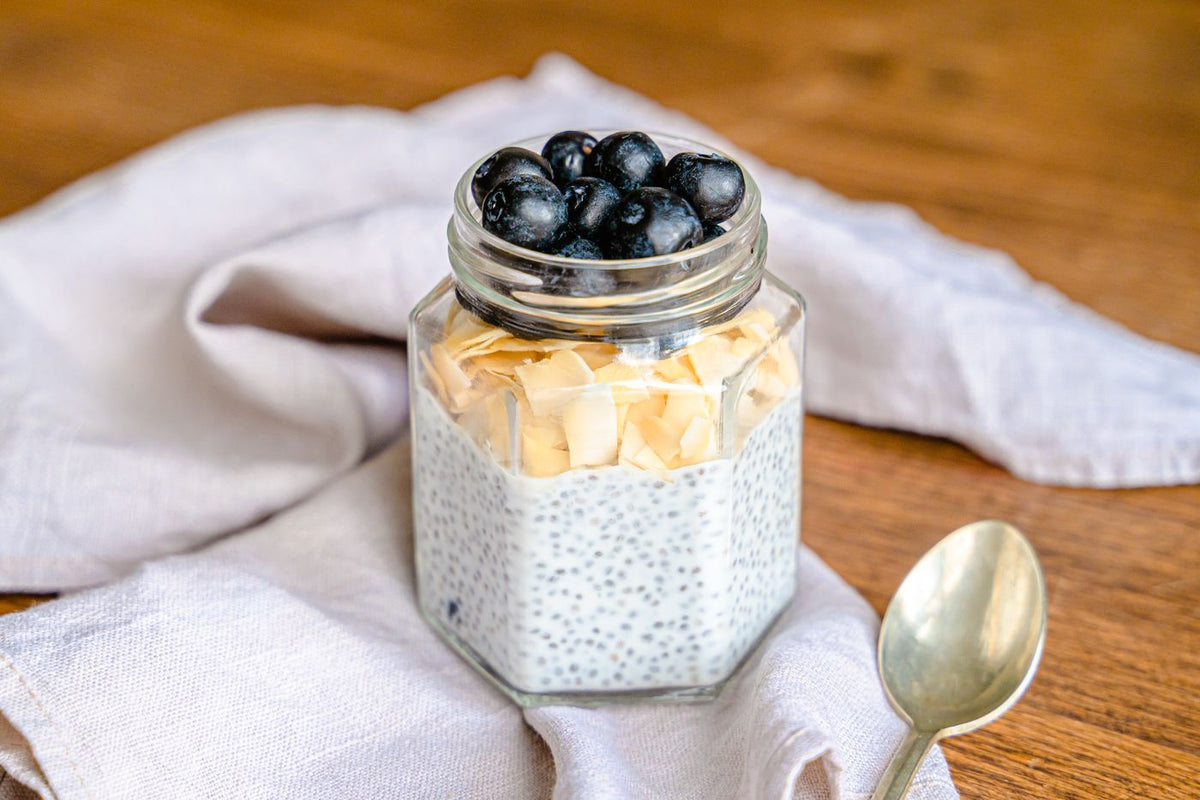
- Take one Omegaco capsule daily with a meal that contains some healthy fats.
- Eat ground flaxseed, chia seeds, walnuts and green vegetables too.
- Stay hydrated and keep active.
- Be consistent: omega-3 levels build up gradually.
Safety: Flaxseed oil can cause bloating or loose stools in some people and might interact with blood-thinning medicines, so check with your doctor first if you take them. Avoid it in pregnancy or breastfeeding unless your doctor advises it; if you are pregnant and vegetarian, ask your doctor whether you need DHA.
The Indian Connection: Why Omega-3 Matters for Women in India
Many Indian women eat little or no fish, and common cooking oils are much richer in omega-6 than omega-3. Indian data on omega-3 intake are limited, but research elsewhere shows vegetarians and vegans have substantially lower blood DHA levels than fish eaters; the health significance of this is still unclear.
That's why vegetarian women benefit from paying attention to omega-3 foods, and why a vegetarian omega 3 supplement like Excelgenics Omegaco can be a convenient addition.
Final Thoughts
Women's nutrition deserves attention at every life stage, and omega-3 fats are part of a healthy diet. A daily vegetarian omega 3 supplement can help you add ALA to your day, alongside omega-3-rich foods.
Excelgenics Omegaco offers a plant based omega 3 supplement from cold-pressed flaxseed oil: one capsule a day, the vegetarian way.
References
- National Institutes of Health, Office of Dietary Supplements. Omega-3 Fatty Acids: Fact Sheet for Health Professionals. ods.od.nih.gov
- Burdge GC, Calder PC. Conversion of α-linolenic acid to longer-chain polyunsaturated fatty acids in human adults. Reproduction Nutrition Development. 2005;45(5):581–597. doi:10.1051/rnd:2005047
- Liao Y, Xie B, Zhang H, et al. Efficacy of omega-3 PUFAs in depression: a meta-analysis. Translational Psychiatry. 2019;9:190. doi:10.1038/s41398-019-0515-5
- Sanders TA. DHA status of vegetarians. Prostaglandins, Leukotrienes and Essential Fatty Acids. 2009;81(2–3):137–141. doi:10.1016/j.plefa.2009.05.013
- National Center for Complementary and Integrative Health. Flaxseed and Flaxseed Oil. nccih.nih.gov
This article is for general education and is not medical advice. Food supplements are not intended to diagnose, treat, cure or prevent any disease. Consult a qualified healthcare professional before starting any supplement, particularly if you are pregnant, breastfeeding, have a medical condition or take medication.