Medically reviewed by Dr. Reina Punj, MBBS, PG Diploma in Endocrinology (University of South Wales), Lead Physician, Excelgenics Clinical Panel.
When it comes to maintaining strong and healthy hair, we often think about biotin, vitamin E or iron. Magnesium gets far less attention, yet it is involved in many of the processes that growing hair depends on. So does magnesium really help hair growth? Here is what we know, what we do not yet know, and where a magnesium supplement fits in.
For a broader overview of forms, doses and safety, see our Magnesium Supplements Guide.
Why Magnesium Matters for Hair Health
Magnesium is one of the body's essential minerals. It acts as a cofactor in more than 300 enzyme systems, including those involved in energy production, protein synthesis and cell division. Hair follicles are among the most active tissues in the body, so they rely on these everyday processes working normally.
That said, it is important to be clear: there are no good-quality human studies showing that taking magnesium makes hair grow faster or reverses hair loss. Claims online that low magnesium causes calcium to build up on the scalp and block follicles are not supported by published evidence. A magnesium dietary supplement is best thought of as one way to help meet your daily magnesium needs, which supports normal body functions, rather than as a hair treatment.
How Magnesium Supports Hair Growth

- Supports normal protein synthesis: Hair is made mostly of keratin, a protein. Magnesium contributes to normal protein synthesis, one of the basic processes behind the growth of hair, skin and nails.
- Supports normal cell division: Hair follicles go through rapid cycles of cell division during the growth phase. Magnesium has a role in the process of cell division throughout the body.
- Supports normal energy-yielding metabolism: Growing hair needs a steady supply of energy. Magnesium contributes to normal energy-yielding metabolism and to the reduction of tiredness and fatigue.
- Supports normal psychological function: Significant physical or emotional stress is a recognised trigger for temporary hair shedding. Magnesium contributes to normal psychological function and normal functioning of the nervous system. It has not been shown to prevent stress-related hair shedding, but it is part of an overall healthy routine.
What Experts Say: Is Magnesium Really Effective for Hair Growth?
Experts generally agree that good overall nutrition supports healthy hair, and magnesium is one part of that picture. It is not a miracle product, and research has not shown that magnesium supplements improve hair growth, breakage or thinning on their own. Low iron, zinc or protein, thyroid problems and hormonal changes are far more established causes of hair shedding.
If your diet is low in magnesium, a magnesium bisglycinate supplement is one option to help you reach your daily intake. Bisglycinate is magnesium bound to the amino acid glycine, and it is generally well tolerated.
Why Choose Magneva from Excelgenics
Magneva by Excelgenics provides magnesium bisglycinate 1,590 mg per tablet, equal to 350 mg of elemental magnesium, together with 1.9 mg of vitamin B6 (pyridoxine HCl).
Here’s why Magneva stands out:
- Bisglycinate form – Magnesium bound to glycine, a form that is generally gentle on the stomach.
- Supports overall wellbeing – Magnesium contributes to normal muscle function, normal functioning of the nervous system and the reduction of tiredness and fatigue. Vitamin B6 contributes to normal psychological function.
- Simple daily routine – One vegan tablet a day, 30 tablets per pack.
By adding Magneva to a balanced diet, you can help meet your magnesium needs as part of your overall health and wellbeing.
How to Take Magnesium for Hair Growth
- Dosage: Magneva is taken as 1 tablet a day. Do not exceed this unless your doctor advises you to.
- Timing: Take it preferably 30–60 minutes before bedtime, with water or a light meal.
- Consistency: Hair grows slowly, by roughly a centimetre a month, so any change in how your hair looks or feels takes months to judge. Keep realistic expectations.
Safety: What to Know Before You Start

The US National Institutes of Health upper limit for supplemental magnesium is 350 mg a day for adults. Magneva provides 350 mg, so do not combine it with other magnesium supplements, antacids or laxatives containing magnesium. Side effects can include loose stools, nausea and stomach cramps. If you have kidney disease, take magnesium only on medical advice. Take certain antibiotics (tetracyclines, quinolones) and bisphosphonates at a different time; ask your pharmacist about spacing.
Natural Ways to Boost Magnesium Levels
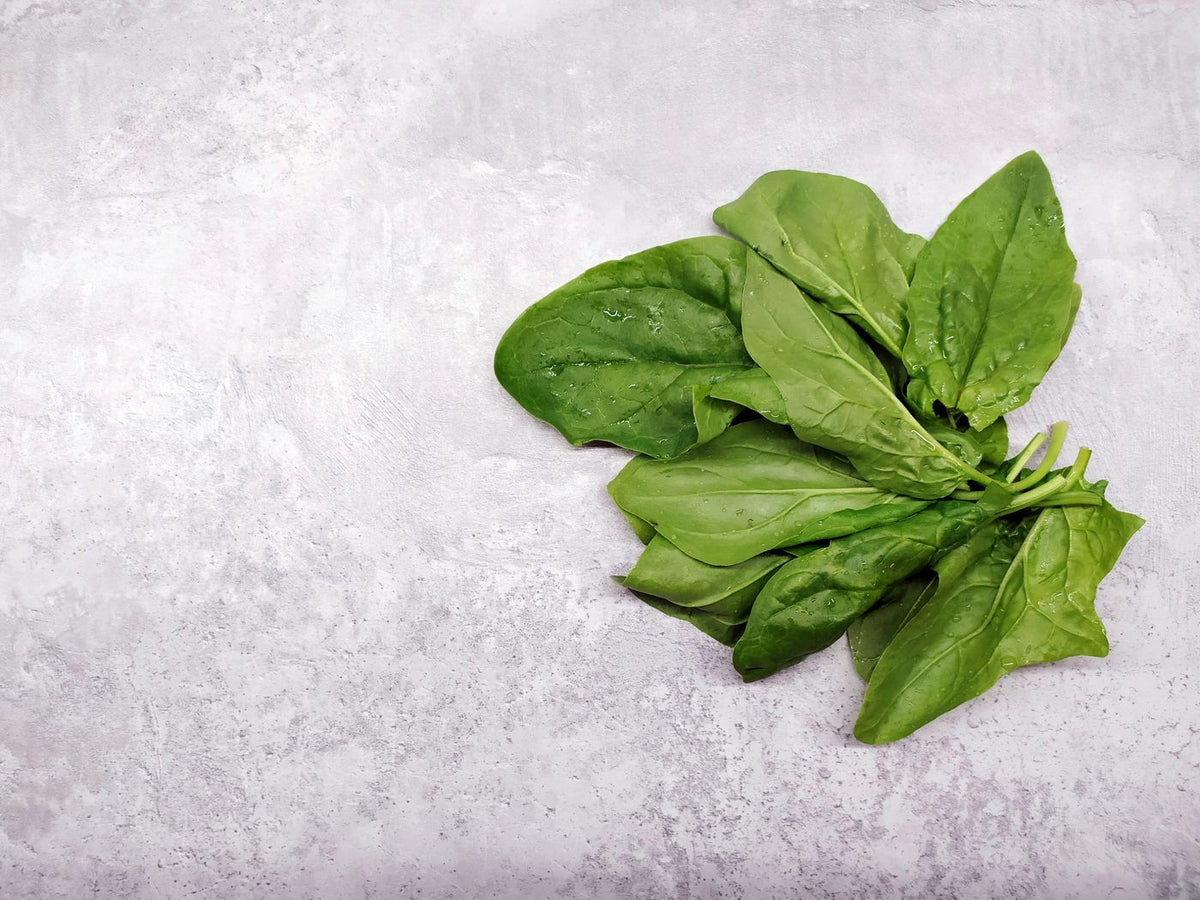
Besides supplements, you can include magnesium-rich foods in your diet. Leafy greens such as spinach, almonds, pumpkin seeds, whole grains, legumes and dark chocolate are good natural sources of magnesium. A balanced diet comes first; a supplement such as Magneva can help fill a gap if your diet falls short.
Who Should Consider Taking a Magnesium Supplement?
A magnesium supplement may be worth discussing with your doctor if you:
- Have a diet low in green vegetables, nuts, seeds and whole grains
- Often feel tired or experience muscle cramps
- Are under ongoing stress
- Take medicines that can lower magnesium, such as some diuretics or long-term acid-reducing tablets (PPIs)
If you are noticing frequent hair fall or thinning, see a doctor or dermatologist first to find the cause, rather than relying on a supplement.
Final Thoughts: Can Magnesium Really Help with Hair Growth?
Magnesium supports normal protein synthesis, cell division and energy metabolism, all of which healthy hair relies on. But there is no good evidence that a magnesium supplement will grow hair or stop hair loss, and it is not an overnight fix. Think of it as one part of a balanced diet and lifestyle, alongside adequate protein, iron and zinc, sleep and stress management.
At Excelgenics, our goal is to make wellness simple and honest. Magneva is designed to help you meet your daily magnesium needs as part of that routine.
This article is for general education and is not medical advice. Food supplements are not intended to diagnose, treat, cure or prevent any disease. Consult a qualified healthcare professional before starting any supplement, particularly if you are pregnant, breastfeeding, have a medical condition or take medication.