Medically reviewed by Dr. Reina Punj, MBBS, PG Diploma in Endocrinology (University of South Wales), Lead Physician, Excelgenics Clinical Panel.
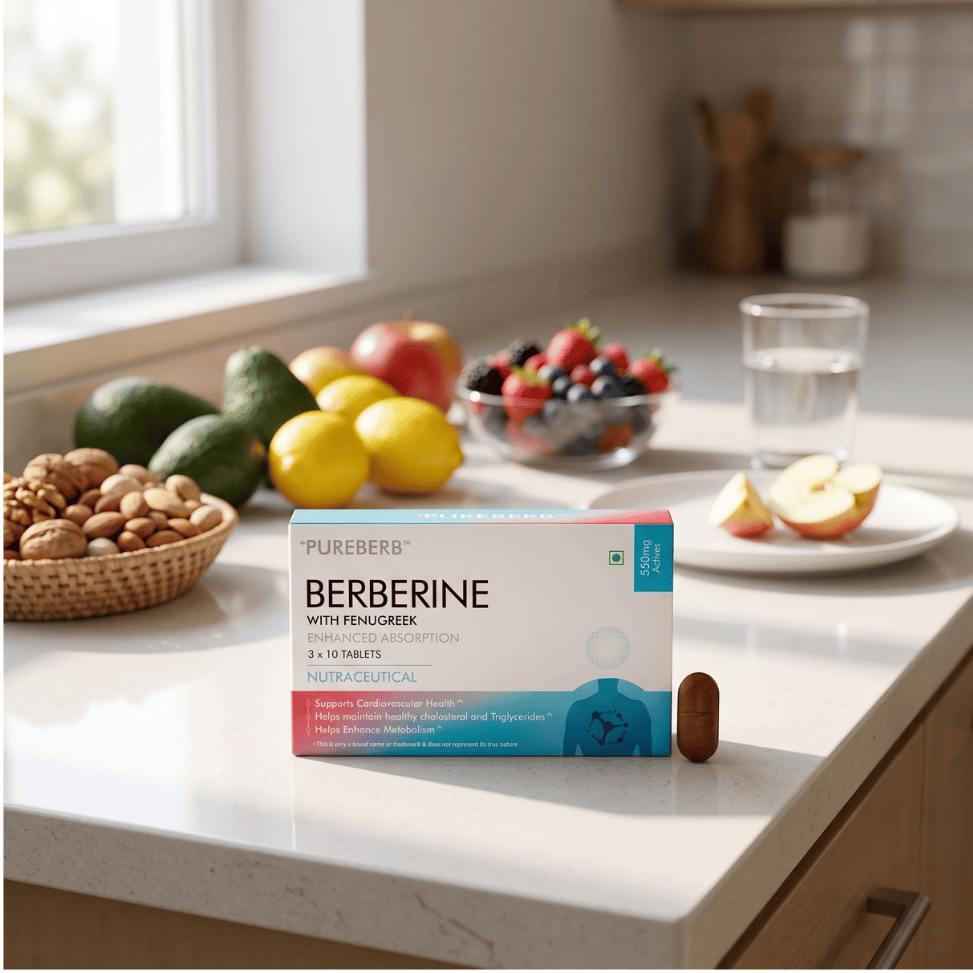
Everyday metabolic wellness depends on how the body handles glucose and fats, and on inputs like diet, activity, sleep and stress. Pureberb by Excelgenics combines 500 mg berberine hydrochloride, a plant alkaloid studied for its interaction with AMP-activated protein kinase (AMPK), with 50 mg fenugreek seed extract standardised to 50% saponins, pairing a widely researched botanical with one long used in Ayurveda and Indian cooking.
Berberine and Fenugreek: Two Different Routes
In laboratory studies, berberine activates AMPK, an enzyme often described as the cell's energy sensor. AMPK is involved in how cells take up and use glucose, how fatty acids are used for energy, and in mitochondrial function. These are normal metabolic processes.
Fenugreek has been studied differently. Whole fenugreek seed contains galactomannan, a soluble fibre that slows carbohydrate digestion, and its saponins have been studied in the laboratory. Note that most human studies used 5 g or more of seed a day; Pureberb provides 100 mg of extract a day, so it should not be expected to match them.
The two ingredients have been researched through different routes, one mainly inside cells and one in the digestive tract. Whether combining them adds anything beyond either alone has not been established.
Why the Dosing Matters
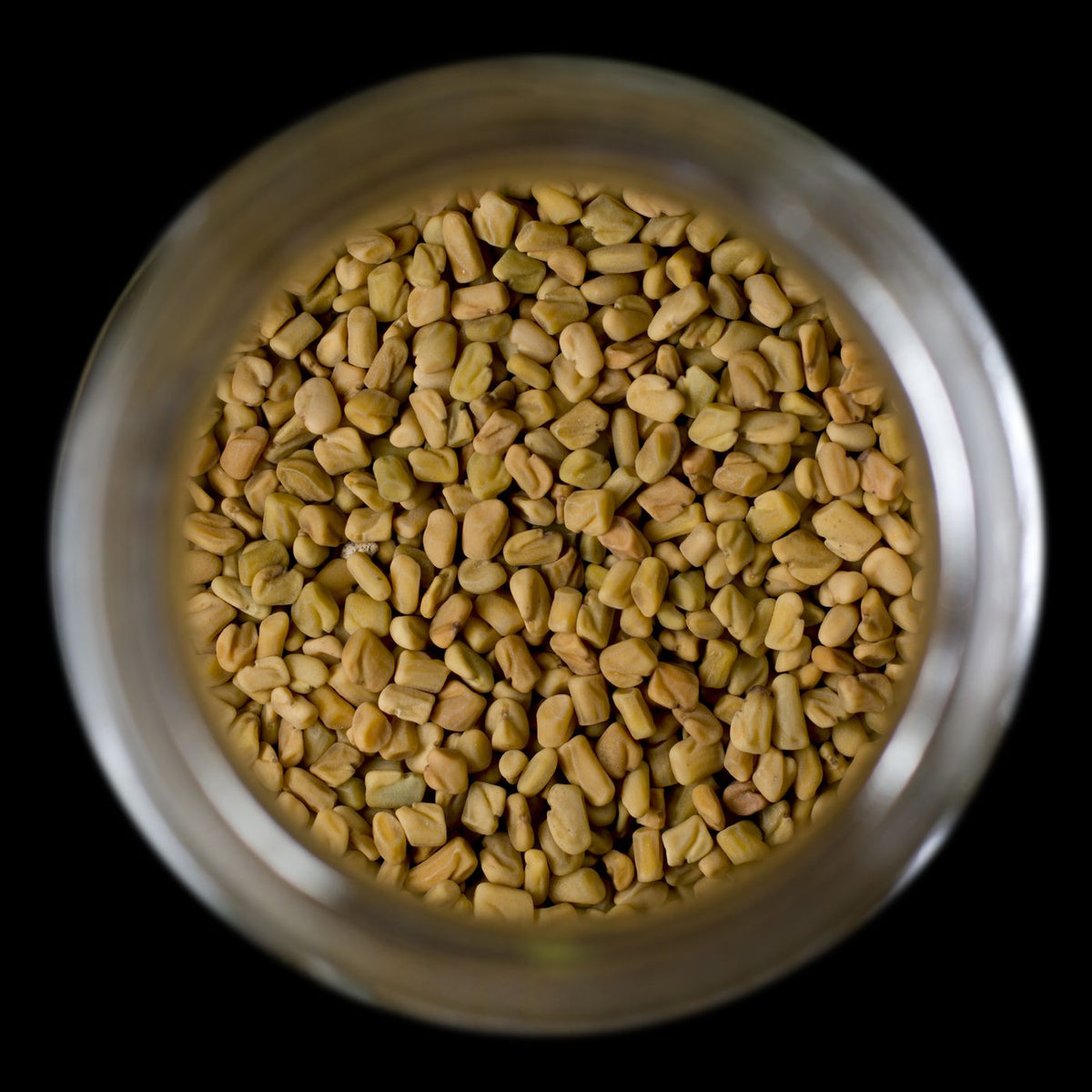
Pureberb provides 500 mg berberine HCl per tablet, taken twice daily (1,000 mg a day). Human trials of berberine have generally used 300–1,500 mg a day, mostly in small, short studies in people with metabolic conditions rather than healthy adults. The fenugreek extract is standardised to 50% saponins, so each dose is defined by its saponin content rather than being a plain seed powder.
Tolerability
Take 1 tablet twice daily, 15–30 minutes before meals, with water, and do not exceed this dose. The most commonly reported side effects of berberine are digestive: abdominal pain, constipation, diarrhoea, nausea and vomiting.
Berberine can interact with many medicines because it slows certain CYP liver enzymes that break down drugs, and it may add to the effect of diabetes and blood-pressure medicines. It is not suitable during pregnancy or breastfeeding and must not be given to infants.
Who Might Consider Pureberb
Pureberb is a food supplement for adults who want to support normal metabolism, and to help maintain cholesterol and triglyceride levels already within the normal range, as part of a balanced diet and active lifestyle.
It is not intended for children. If you have any diagnosed health condition, or take prescription medication (particularly for blood glucose or blood pressure), consult a qualified healthcare professional before use.
In Summary
Pureberb pairs berberine with a saponin-standardised fenugreek extract and is made under an FSSAI licence. Its role is nutritional support for normal metabolism alongside sensible diet and activity, not a replacement for either or for medical care.
References
- Liu D, Zhao H, Zhang Y, Hu J, Xu H. Efficacy and safety of berberine on the components of metabolic syndrome: a systematic review and meta-analysis of randomized placebo-controlled trials. Front Pharmacol. 2025;16:1572197. doi:10.3389/fphar.2025.1572197
- Guo Y, Chen Y, Tan ZR, et al. Repeated administration of berberine inhibits cytochromes P450 in humans. Eur J Clin Pharmacol. 2012;68:213–217. doi:10.1007/s00228-011-1108-2
- National Center for Complementary and Integrative Health (NIH). In the News: Berberine. 2023. nccih.nih.gov
This article is for general education and is not medical advice. Food supplements are not intended to diagnose, treat, cure or prevent any disease. Consult a qualified healthcare professional before starting any supplement, particularly if you are pregnant, breastfeeding, have a medical condition or take medication.