Medically reviewed by Dr. Reina Punj, MBBS, PG Diploma in Endocrinology (University of South Wales), Lead Physician, Excelgenics Clinical Panel.
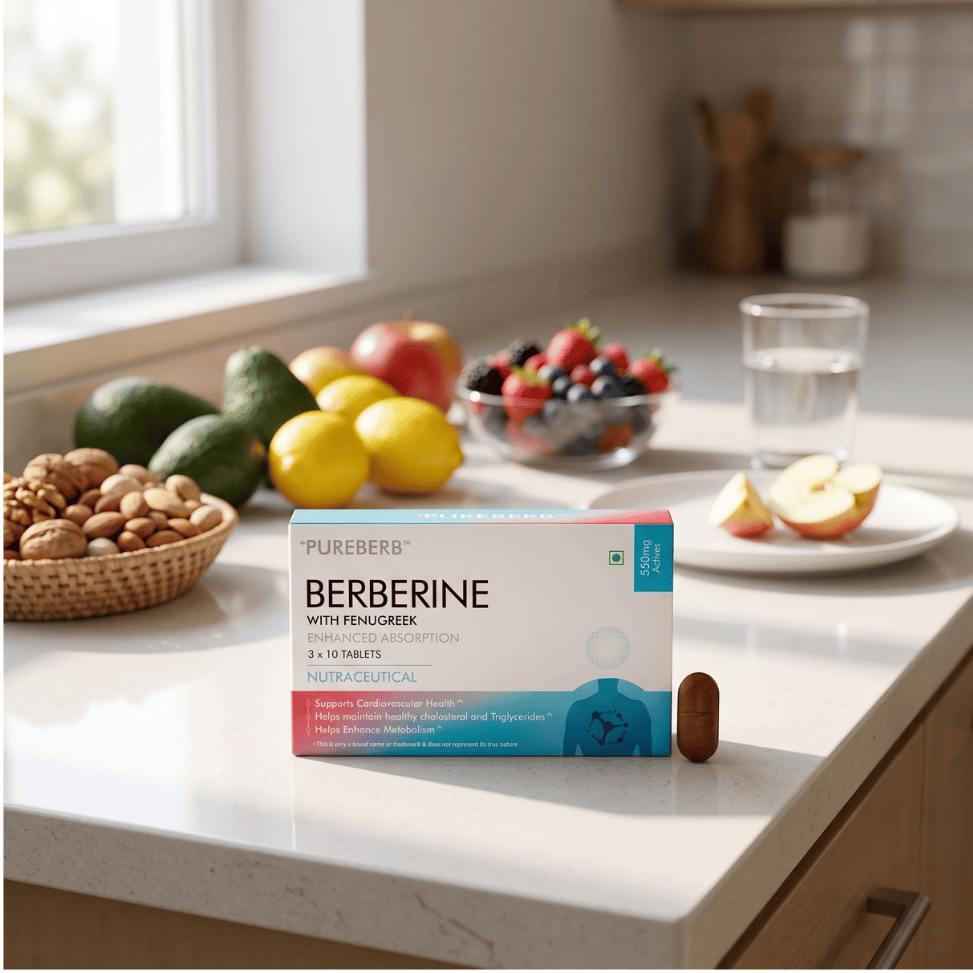
When choosing a berberine supplement, safety and tolerability matter as much as the ingredients. Pureberb by Excelgenics combines berberine hydrochloride tablets with fenugreek seed extract as a food supplement to support normal metabolism. Here is what the research says about side effects, who should avoid it and how to take it.
Clinical Safety Profile of Berberine and Fenugreek

Berberine tablets have been studied in many small human trials at doses of 300–1,500 mg a day. A 2025 meta-analysis of 12 placebo-controlled trials (889 participants, mostly in China, 12–20 weeks) found no statistically significant difference in overall adverse events between berberine and placebo, although digestive events were somewhat more frequent with berberine (risk ratio 1.44, not significant). Reported effects included nausea, constipation, mild abdominal discomfort and low blood sugar. In the largest single trial, the PREMOTE study (409 people with type 2 diabetes), digestive side effects were more common with berberine than placebo. These trials were short, so long-term safety is less well studied.
The US National Center for Complementary and Integrative Health (NIH) describes berberine as generally well tolerated by mouth, with abdominal pain, constipation, diarrhoea, nausea and vomiting as the most common side effects, and warns that it may interact with medicines. Berberine slows several liver enzymes (CYP2D6, CYP2C9 and CYP3A4) that break down many common drugs.
Fenugreek is regarded as safe in the amounts found in food. NCCIH notes possible diarrhoea, nausea and other digestive symptoms, that fenugreek can cause allergic reactions, including serious ones, in some people, and that it is not safe in pregnancy in amounts greater than those in food.
Recommended Usage and Dosage Guidance
Each Pureberb tablet provides 500 mg berberine HCl and 50 mg fenugreek seed extract (50% saponins). Take 1 tablet twice daily, 15–30 minutes before meals, with water (1,000 mg berberine and 100 mg fenugreek extract a day). Do not exceed the recommended dose.
Speak to your doctor before using Pureberb if you take any prescription medicine. Berberine may add to the effect of diabetes and blood-pressure medicines, and its effect on liver enzymes can change how other drugs are processed.
Who should not take Pureberb
- Pregnant or breastfeeding women
- Infants and children (berberine can worsen jaundice in newborns)
- People with a fenugreek allergy
- Anyone taking prescription medication, unless their doctor has advised it
Why Choose Pureberb for Metabolic Support?
Pureberb is made under an FSSAI licence, with label-declared amounts of berberine HCl and saponin-standardised fenugreek extract in every tablet.
It is a food supplement for adults who want to support normal metabolism alongside a balanced diet and activity. It is not intended to treat prediabetes, metabolic syndrome or any other condition; if you have one of these, follow your doctor's advice.
Consumer Takeaway: Informed, Sensible Use
Berberine is generally well tolerated in short-term studies, with digestive upset the most common complaint, but it is not free of side effects and it interacts with medicines. Following the label directions, checking with your doctor if you take medication, and avoiding it in pregnancy and breastfeeding are the key steps to using Pureberb sensibly.
References
- Liu D, Zhao H, Zhang Y, Hu J, Xu H. Efficacy and safety of berberine on the components of metabolic syndrome: a systematic review and meta-analysis of randomized placebo-controlled trials. Front Pharmacol. 2025;16:1572197. doi:10.3389/fphar.2025.1572197
- Zhang Y, Gu Y, Ren H, et al. Gut microbiome-related effects of berberine and probiotics on type 2 diabetes (the PREMOTE study). Nat Commun. 2020;11:5015. doi:10.1038/s41467-020-18414-8
- Guo Y, Chen Y, Tan ZR, et al. Repeated administration of berberine inhibits cytochromes P450 in humans. Eur J Clin Pharmacol. 2012;68:213–217. doi:10.1007/s00228-011-1108-2
- National Center for Complementary and Integrative Health (NIH). In the News: Berberine. 2023. nccih.nih.gov
- National Center for Complementary and Integrative Health (NIH). Fenugreek. 2025. nccih.nih.gov
This article is for general education and is not medical advice. Food supplements are not intended to diagnose, treat, cure or prevent any disease. Consult a qualified healthcare professional before starting any supplement, particularly if you are pregnant, breastfeeding, have a medical condition or take medication.