Medically reviewed by Dr. Reina Punj, MBBS, PG Diploma in Endocrinology (University of South Wales), Lead Physician, Excelgenics Clinical Panel.
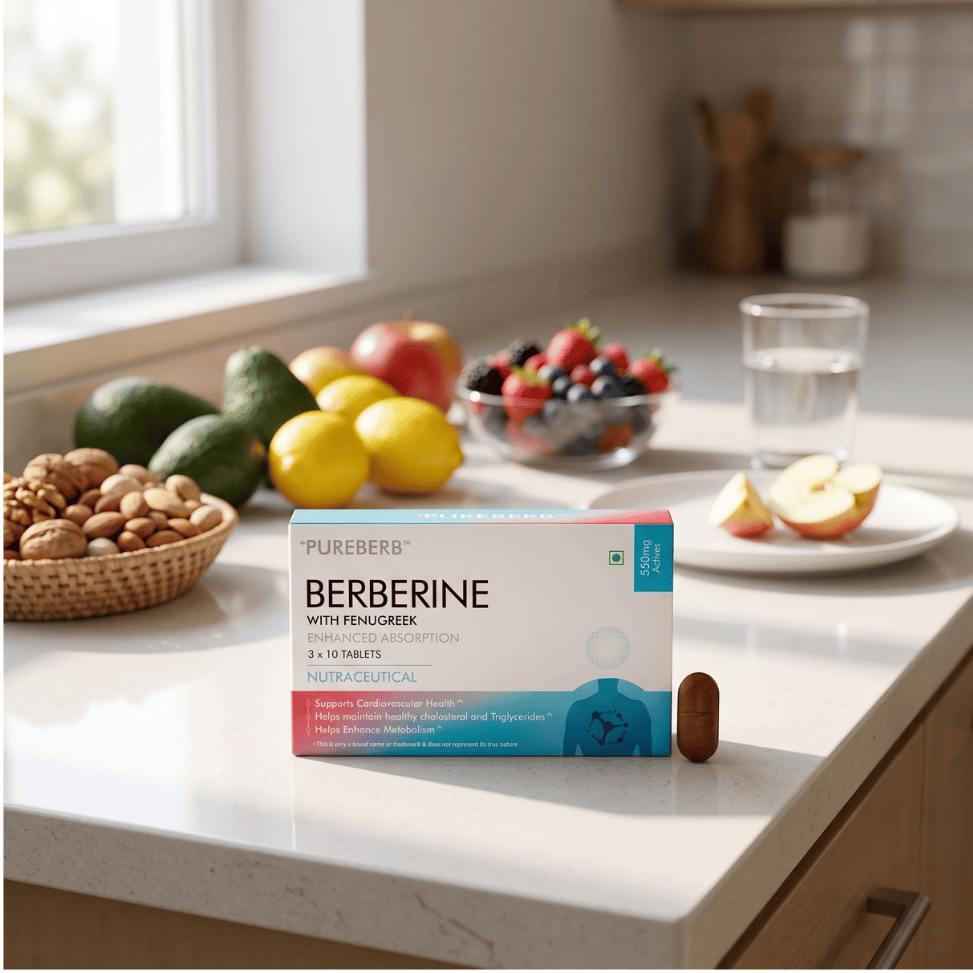
There is growing scientific interest in the gut microbiome, the community of microbes in the intestine, and its links with metabolism, immunity and inflammation. Here is what studies of berberine and fenugreek have found, and their limits. Pureberb by Excelgenics is a berberine supplement combining berberine HCl with fenugreek seed extract, to support normal metabolism as part of a balanced diet.
Berberine and the Gut Microbiome: What Studies Found
Berberine is poorly absorbed into the bloodstream, which is one reason researchers study its effects on gut bacteria. The largest human trial so far, the PREMOTE study in China, randomised 409 adults with newly diagnosed type 2 diabetes to berberine, probiotics, both, or placebo for 12 weeks. Berberine clearly changed the make-up of the gut microbiome. It reduced some bacteria, including Ruminococcus bromii, and also some generally regarded as beneficial, such as Faecalibacterium prausnitzii and Bifidobacterium, while increasing others. The authors linked part of berberine's effect on blood glucose to changes in bile-acid metabolism by gut bacteria, but this rested on associations and laboratory work. Digestive side effects were more common in the berberine groups.
These findings, in people with diabetes, do not show that berberine "rebalances" the microbiome in healthy people, and Pureberb should not be expected to reproduce them.
Fenugreek and the Gut: Early Animal Research
In a 16-week study in mice fed a high-fat diet, adding fenugreek seed (2% of the diet) changed gut bacterial diversity and partly reversed some diet-related shifts in bacteria, and these changes tracked with metabolic measures. This was an animal study using whole seed at a much higher relative dose than Pureberb's 100 mg of extract a day. Human evidence on fenugreek and the gut microbiome is very limited.
Berberine and Fenugreek Together: What Has Been Tested
An Iranian trial gave 50 adults with type 2 diabetes either a berberine and fenugreek combination (three capsules a day, described as providing about 900 mg of berberine and 600 mg of fenugreek) or placebo for 12 weeks. hs-CRP, a blood marker of inflammation, fell in the supplement group, while differences from placebo in fasting insulin and lipids were not statistically significant. The gut microbiome and immune function were not measured. The doses differed from Pureberb's.
No published study has shown that this combination improves gut microbiome diversity, gut inflammation or immune responses.
Consumer Takeaway: Supporting Your Gut and Overall Wellness
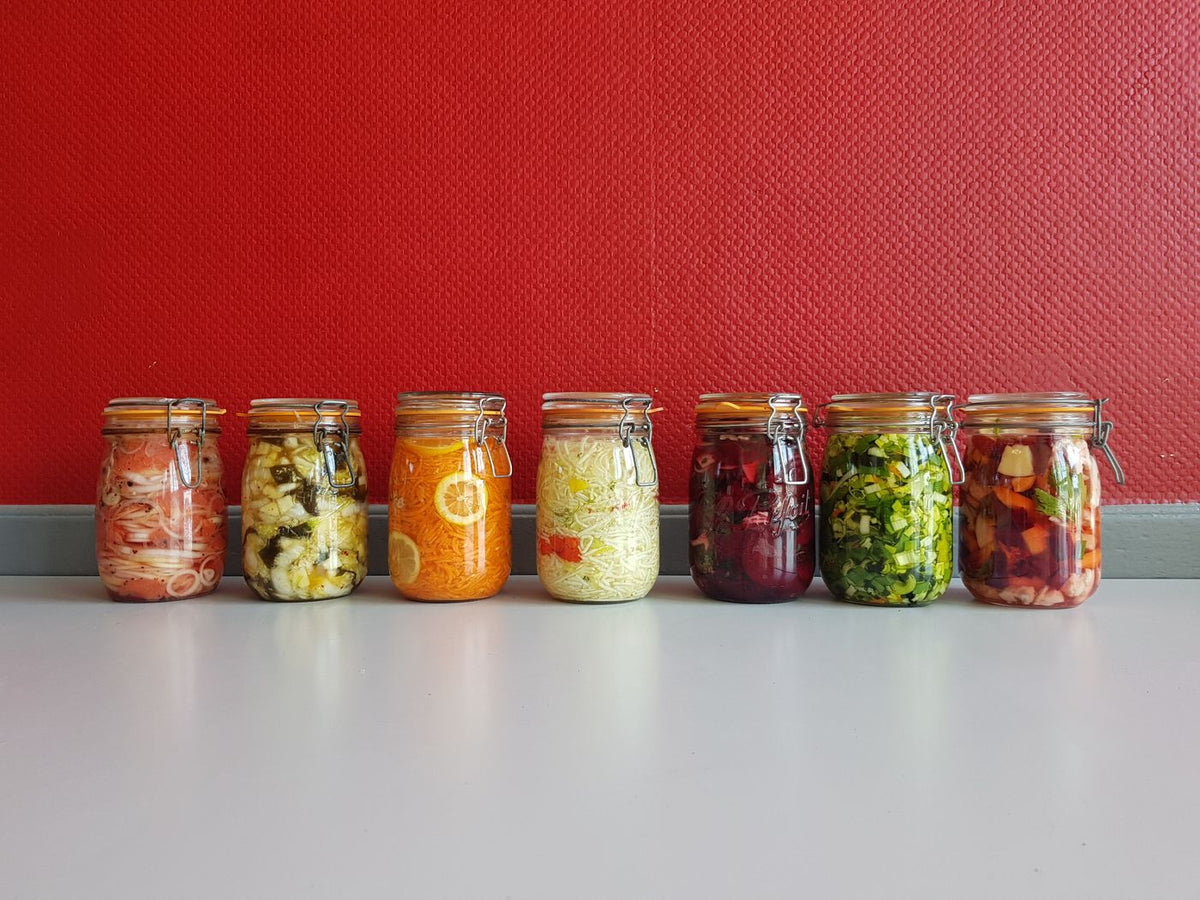
The gut microbiome is an active research area, and berberine clearly interacts with gut bacteria, but the changes are complex and not simply "good" or "bad". The best-supported ways to look after your gut are a varied diet rich in fibre and plant foods, regular activity and good sleep. Pureberb is a food supplement to support normal metabolism alongside these habits; it is not a probiotic or an immune supplement.
Safety
Take 1 tablet twice daily, 15–30 minutes before meals, with water. Digestive side effects are the most common. Berberine interacts with many medicines via CYP liver enzymes and may add to the effect of diabetes and blood-pressure medicines. Not for pregnancy, breastfeeding or infants. Consult a healthcare professional before use if you have a medical condition or take medication.
References
- Zhang Y, Gu Y, Ren H, et al. Gut microbiome-related effects of berberine and probiotics on type 2 diabetes (the PREMOTE study). Nat Commun. 2020;11:5015. doi:10.1038/s41467-020-18414-8
- Bruce-Keller AJ, Richard AJ, Fernandez-Kim SO, et al. Fenugreek counters the effects of high fat diet on gut microbiota in mice: links to metabolic benefit. Sci Rep. 2020;10:1245. doi:10.1038/s41598-020-58005-7
- Nematollahi S, Pishdad GR, Zakerkish M, et al. The effect of berberine and fenugreek seed co-supplementation on inflammatory factor, lipid and glycemic profile in patients with type 2 diabetes mellitus: a double-blind controlled randomized clinical trial. Diabetol Metab Syndr. 2022;14:120. doi:10.1186/s13098-022-00888-9
- Guo Y, Chen Y, Tan ZR, et al. Repeated administration of berberine inhibits cytochromes P450 in humans. Eur J Clin Pharmacol. 2012;68:213–217. doi:10.1007/s00228-011-1108-2
- National Center for Complementary and Integrative Health (NIH). In the News: Berberine. 2023. nccih.nih.gov
This article is for general education and is not medical advice. Food supplements are not intended to diagnose, treat, cure or prevent any disease. Consult a qualified healthcare professional before starting any supplement, particularly if you are pregnant, breastfeeding, have a medical condition or take medication.