Medically reviewed by Dr. Reina Punj, MBBS, PG Diploma in Endocrinology (University of South Wales), Lead Physician, Excelgenics Clinical Panel.
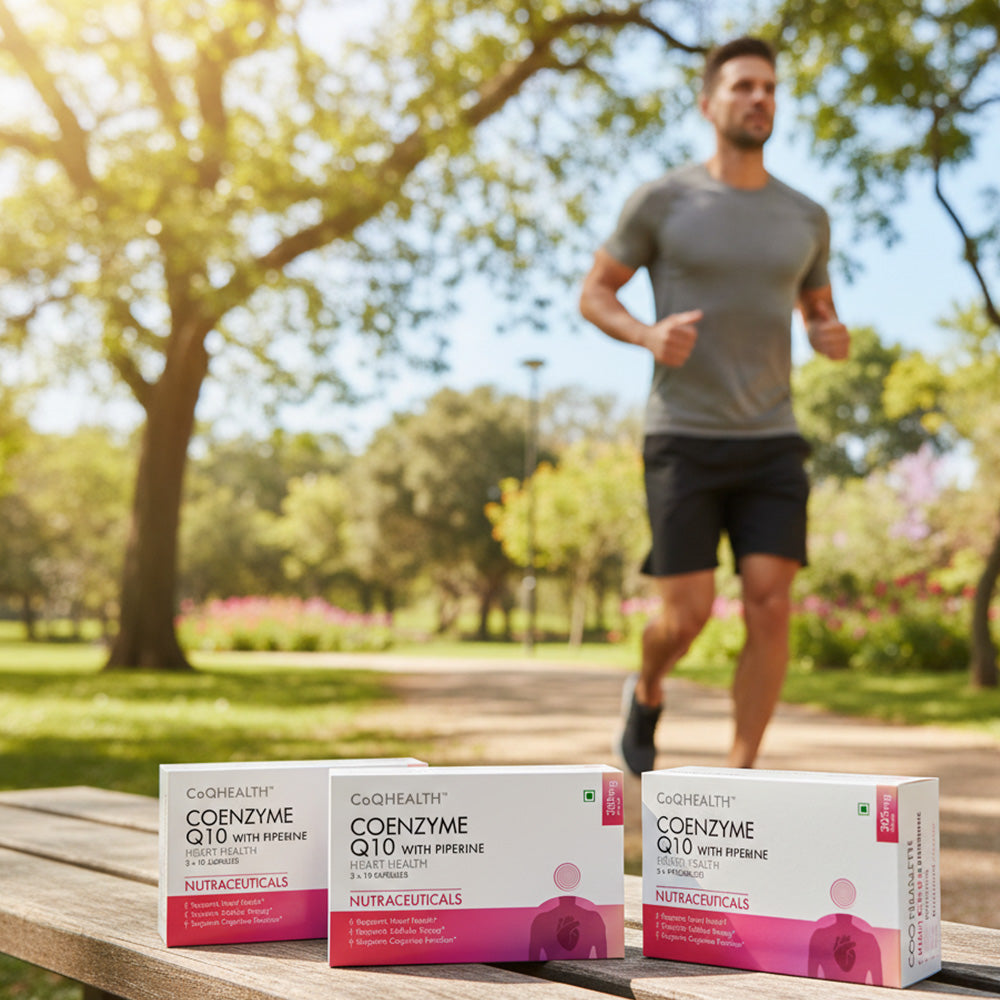
With Coenzyme Q10, the dose on the label is only part of the story. What also matters is bioavailability: the fraction of the dose that actually reaches the bloodstream and the tissues where it is used. CoQ10's poor oral absorption is a well-documented formulation challenge, and it is the problem CoQHealth by Excelgenics is formulated around.
Why CoQ10 Is Difficult to Absorb
CoQ10 is a large, fat-soluble molecule that does not dissolve in water, so it dissolves poorly in the watery environment of the gut. Reviews of CoQ10 pharmacokinetics describe its absorption as slow and limited, with only a small fraction of an oral dose absorbed (Bhagavan and Chopra, 2006; Mantle and Dybring, 2020).
Because it is fat-soluble, CoQ10 has to be incorporated into micelles with the help of dietary fat and bile before it can be taken up by gut cells (Bhagavan and Chopra, 2006).
This is why blood levels do not rise in simple proportion to the dose, and why formulation and how a supplement is taken can matter as much as the number of milligrams.
How CoQHealth Addresses It
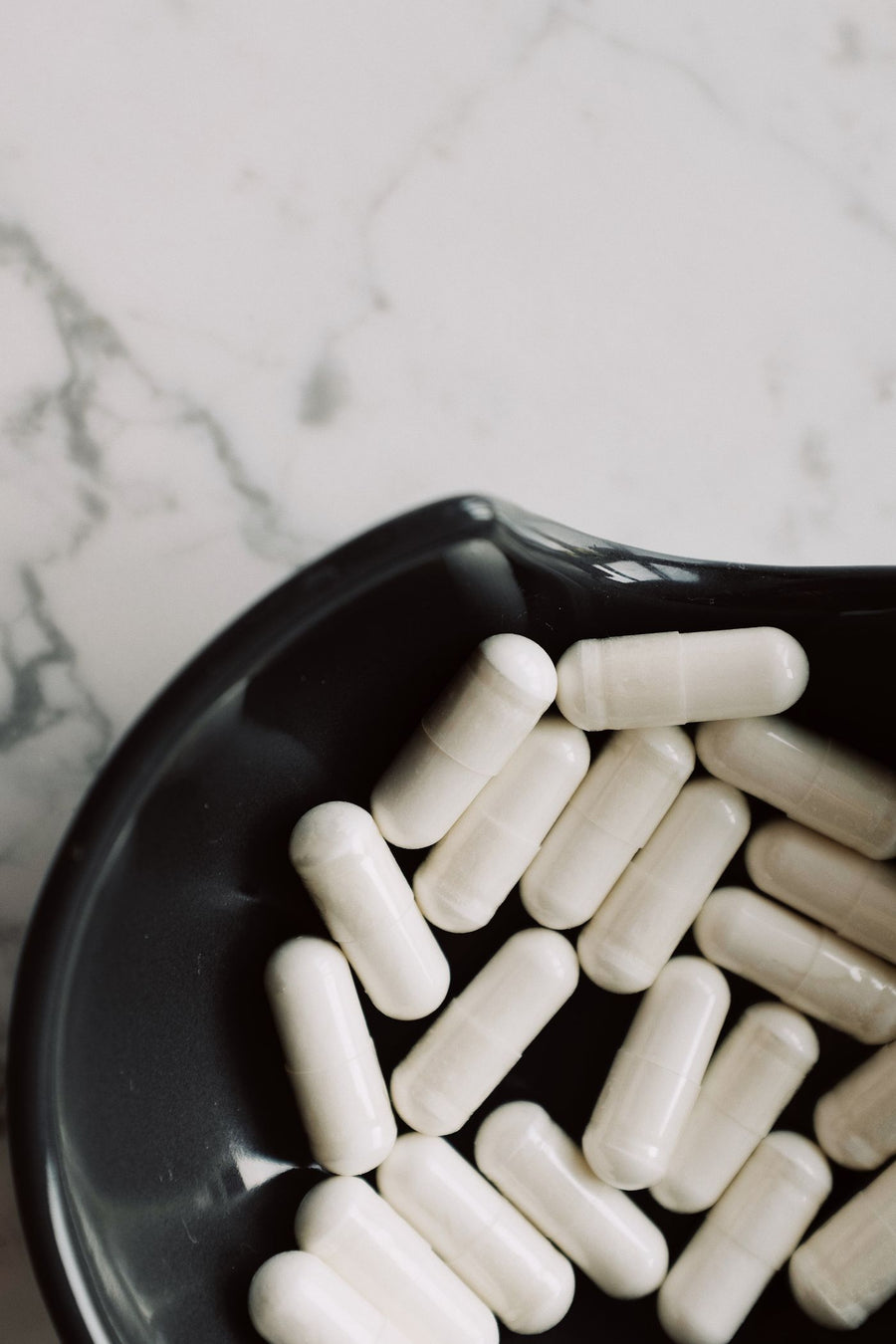
CoQHealth takes a two-part approach:
- 5 mg piperine per capsule, included as an absorption aid
- Clear instructions to take it with a meal containing healthy fats
Piperine, the main active compound in black pepper, has been studied for its effects on how the gut and liver process some nutrients and medicines. In one small study in healthy men, 5 mg piperine with 120 mg CoQ10 daily for 21 days raised plasma CoQ10 by about 30% more than CoQ10 alone; shorter experiments in the same study did not show a significant difference (Badmaev et al., 2000). The study was run by a company that sells piperine and has not been independently replicated.
Why This Matters Practically
Because absorption is limited, a higher headline dose does not automatically mean proportionally higher blood levels. Looking at how a product is formulated and how it should be taken is as useful as comparing milligrams.
One habit matters as much as the formulation: take CoQHealth with a meal containing healthy fats, ideally in the morning or at lunch.
What to Look For in Any CoQ10 Supplement
- A dose in the range used in research (studies commonly use 100–300 mg a day)
- A clearly stated form (ubiquinone or ubiquinol)
- Whether an absorption aid is included, and whether you understand its interactions
- Whether dosing guidance mentions taking it with food
- Clearly listed ingredients and amounts
Safety and Interactions
CoQ10 is generally well tolerated, although mild digestive upset and trouble sleeping have been reported. CoQ10 may interact with the blood thinner warfarin and with insulin. Piperine can change how the body metabolises some medicines, so check with your doctor or pharmacist before use if you take any regular medication.
In Summary
CoQHealth provides 300 mg coenzyme Q10 (ubiquinone) with 5 mg piperine per plant-based capsule, to be taken once daily with a fat-containing meal. It is made under an FSSAI licence.
References
- Bhagavan HN, Chopra RK. Coenzyme Q10: absorption, tissue uptake, metabolism and pharmacokinetics. Free Radical Research. 2006;40(5):445–453. doi:10.1080/10715760600617843
- Mantle D, Dybring A. Bioavailability of coenzyme Q10: an overview of the absorption process and subsequent metabolism. Antioxidants. 2020;9(5):386. doi:10.3390/antiox9050386
- Badmaev V, Majeed M, Prakash L. Piperine derived from black pepper increases the plasma levels of coenzyme Q10 following oral supplementation. Journal of Nutritional Biochemistry. 2000;11(2):109–113. doi:10.1016/S0955-2863(99)00074-1
This article is for general education and is not medical advice. Food supplements are not intended to diagnose, treat, cure or prevent any disease. Consult a qualified healthcare professional before starting any supplement, particularly if you are pregnant, breastfeeding, have a medical condition or take medication.