

Medically reviewed by Dr. Reina Punj, MBBS, PG Diploma in Endocrinology (University of South Wales), Lead Physician, Excelgenics Clinical Panel.
Useful calcium rich foods in India include milk, curd (dahi) and paneer, ragi (finger millet), whole sesame seeds (til), rajgira, green leafy vegetables such as chaulai and drumstick leaves, soybeans and calcium-set tofu, and fish eaten with their bones. Ragi stands out among grains, with about 364 mg of calcium per 100 g. Most fruits are low in calcium, and some greens, such as spinach, contain calcium that the body absorbs poorly.
This guide gives an Indian table of calcium rich foods veg and non-veg with amounts per realistic portion, an honest look at fruits, how much calcium you need, and what helps your body absorb it.
How much calcium do you need?
Almost all the calcium in the body (about 98%) is stored in the bones. Under EU-authorised wording, calcium is needed for the maintenance of normal bones and calcium is needed for the maintenance of normal teeth.
The ICMR-NIN 2020 recommended dietary allowance (RDA) for Indian adults is 1,000 mg a day for both men and women, with an estimated average requirement (EAR) of 800 mg. The US tolerable upper intake level, from food and supplements together, is 2,500 mg a day for adults aged 19–50 and 2,000 mg a day from age 51.
Calcium rich foods veg: an Indian table
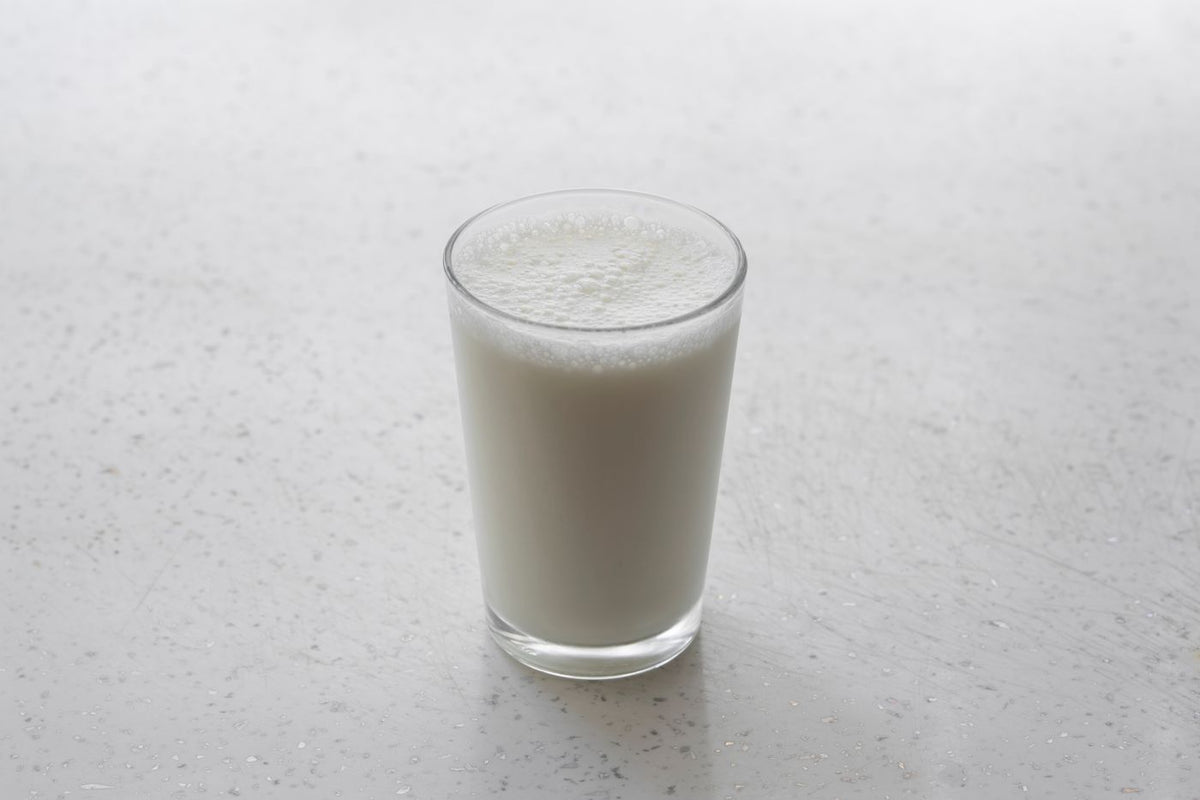
Amounts are per typical portion. Milk, paneer, ragi, rajgira, sesame and the green leaves are from the Indian Food Composition Tables (IFCT 2017, raw weight); the other foods are calculated from USDA FoodData Central values per 100 g. Cooked pulses are for 1 katori (about 150 g) of cooked, drained pulses.
| Food | Typical portion | Calcium (mg) |
|---|---|---|
| Tofu, set with calcium sulphate | 100 g | 350–680 (regular to firm) |
| Buffalo milk | 1 glass (200 ml) | 242 |
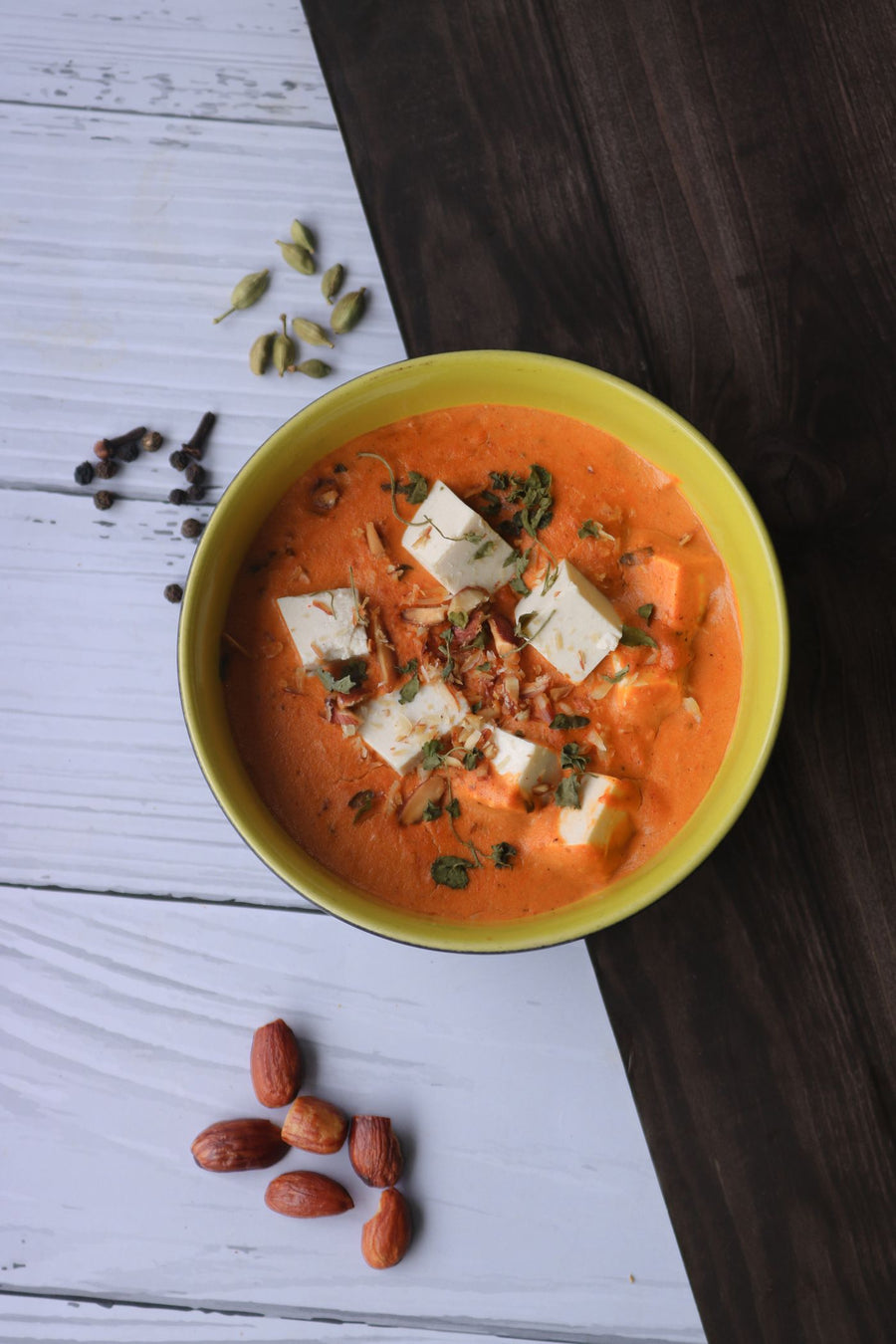
| Paneer | 50 g | about 240 (varies with how it is made) |
| Chaulai (amaranth leaves), raw | 100 g | 245–330 |
| Cow's milk, whole | 1 glass (200 ml) | 236 |
| Curd (dahi), whole milk | 1 katori (about 150 g) | 182 |
| Drumstick leaves (sahjan / moringa), raw | 50 g | 157 |
| Soybeans, cooked | 1 katori (about 150 g) | 153 |
| Sesame seeds (til), whole | 1 tbsp (about 10 g) | 117–166 |
| Ragi (finger millet) flour | 30 g (about 1 roti) | 109 |
| Chia seeds | 1 tbsp (about 14 g) | 88 |
| Kabuli chana (chickpeas), cooked | 1 katori (about 150 g) | 74 |
| Almonds (badam) | 20 g (about 15 nuts) | 54 |
| Rajgira (amaranth seeds) | 30 g | 49–54 |
Two details matter. Tofu varies a lot: the figures are for tofu set with calcium sulphate, so check the label. And sesame must be whole (unhulled): hulled (decorticated) til has only about 60 mg per 100 g, compared with 1,174–1,664 mg for whole seeds in the Indian tables, so 1 tbsp of hulled til gives about 6 mg. Curry leaves (kadi patta) also appear on many lists: IFCT 2017 gives about 660 mg per 100 g, but a tadka uses only a few grams, so 5 g adds about 33 mg.
Non-vegetarian sources
Fish eaten with their soft bones are good sources. Canned sardines in oil, eaten with their bones, have about 325 mg per 85 g (3 oz). ICMR-NIN's 2024 dietary guidelines give dry fish, which is usually eaten whole, an average of about 1,960 mg of calcium per 100 g. Meat, chicken and eggs, by contrast, provide little calcium: two eggs have about 56 mg.
Most calcium rich foods: per 100 g and per serving
If you are looking for the most calcium rich foods, per 100 g whole sesame seeds (1,174–1,664 mg), calcium-set tofu, paneer, sardines with bones and ragi (364 mg) lead this list. Per serving, the dairy foods do more of the work: a glass of milk and a katori of curd together give about 420 mg, around 40% of the RDA.
Here is a practical top 10 calcium rich foods list for Indian kitchens, by amount per usual portion:
- Tofu set with calcium sulphate
- Milk (buffalo or cow)
- Paneer
- Chaulai (amaranth leaves)
- Curd (dahi)
- Soybeans
- Ragi
- Whole til
- Drumstick leaves
- Chia seeds
As an illustration, a glass of cow's milk, a katori of curd, a ragi roti, 1 tbsp of whole til, a katori of chana and 100 g of chaulai (weighed raw) add up to about 1,000 mg, roughly the daily RDA.
Calcium rich foods fruits: an honest look
Most fruits contain little calcium, so they are not a main source. Per typical portion:
| Fruit | Typical portion | Calcium (mg) |
|---|---|---|
| Orange (santra) | 1 medium (about 130 g) | 52 |
| Dried figs (anjeer) | 30 g | 49 |
| Papaya (papita) | 1 katori (about 150 g) | 30 |
| Dates (khajur) | 30 g | 19 |
| Guava (amrood) | 100 g | 18 |
| Banana (kela) | 100 g | 5 |
Dried figs and oranges are the better fruit choices, but even these give about 5% of the daily RDA per portion. Enjoy fruit for fibre and vitamin C, and rely on dairy, ragi, til, greens, pulses and calcium-set tofu for calcium.
Calcium rich foods for bones: getting the most from them
How much calcium you absorb depends on the food and on your vitamin D status:
- Watch out for oxalates: oxalic acid and phytic acid in plants reduce calcium absorption. The NIH Office of Dietary Supplements (ODS) notes that the body absorbs only about 5% of the calcium in spinach, compared with about 27% from milk. Boiled palak has 136 mg per 100 g on paper, but count it as a minor source. Beans and sweet potato are also high in oxalic acid.
- Some greens do better: ODS notes that calcium from kale, broccoli and cabbage is absorbed about as well as calcium from milk, although these vegetables contain less per serving.
- Vitamin D: vitamin D is required for calcium to be absorbed in the gut. Your skin makes vitamin D in sunlight; see bone density: why strong bones matter at every age for safe sun and the role of exercise.
- Spread it across the day: the body absorbs a larger share of smaller amounts. ODS reports about 36% absorption from a 300 mg dose and 28% from a 1,000 mg dose, and absorption from supplements is highest at 500 mg or less.
- Keep iron and calcium apart where you can: calcium might reduce iron absorption, so if you rely on dal and greens for iron, have milk or curd at a different meal sometimes. See iron rich foods.
Calcium is only one bone nutrient. Protein, vitamin D and magnesium also matter, and magnesium contributes to the maintenance of normal bones; see magnesium rich foods. For other bone and joint topics, see our joint and mobility section.
Who should ask a doctor about calcium supplements?
Most people can reach the RDA through food. ODS lists postmenopausal women, people with lactose intolerance or milk allergy, and vegans as more likely to have low calcium intakes. If that is you, a doctor or dietitian can check your diet and decide whether you need a supplement and at what dose. Higher intakes of supplemental calcium might increase the risk of kidney stones, and supplements can cause gas, bloating and constipation. Calcium supplements can also reduce the absorption of some medicines, including levothyroxine (thyroid hormone) and quinolone antibiotics. If you have concerns about bone density, ask your doctor about testing rather than relying on food or supplements.
Frequently asked questions
Which Indian food has the most calcium?
Among everyday Indian vegetarian foods, whole sesame seeds have the most per 100 g, and ragi has the most among grains. Per serving, milk, curd, paneer and calcium-set tofu supply the most.
Which fruit is rich in calcium?
No common fruit is rich in calcium. Dried figs and oranges have the most among those listed, about 50 mg per portion.
How can vegetarians who avoid dairy get enough calcium?
Combine ragi, whole til, chaulai and drumstick leaves, soybeans, calcium-set tofu and pulses every day. Vegans are more likely to fall short, so ask a dietitian to check your intake.
Is spinach a good source of calcium?
Not really. It contains calcium, but only about 5% is absorbed because of its oxalate content.
References
- ICMR-National Institute of Nutrition. A brief note on nutrient requirements for Indians, the Recommended Dietary Allowances (RDA) and the Estimated Average Requirements (EAR). 2020. nin.res.in
- ICMR-National Institute of Nutrition. Dietary Guidelines for Indians. 2024. nin.res.in
- Longvah T, Ananthan R, Bhaskarachary K, Venkaiah K. Indian Food Composition Tables 2017. ICMR-National Institute of Nutrition, Hyderabad. nin.res.in
- NIH Office of Dietary Supplements. Calcium: Fact Sheet for Health Professionals. ods.od.nih.gov
- NIH Office of Dietary Supplements. Iron: Fact Sheet for Health Professionals. ods.od.nih.gov
- U.S. Department of Agriculture, Agricultural Research Service. FoodData Central (SR Legacy). fdc.nal.usda.gov
- European Commission. Commission Regulation (EU) No 432/2012 establishing a list of permitted health claims made on foods. eur-lex.europa.eu
This article is for general education and is not medical advice. Food supplements are not intended to diagnose, treat, cure or prevent any disease. Consult a qualified healthcare professional before starting any supplement, particularly if you are pregnant, breastfeeding, have a medical condition or take medication.






