

Medically reviewed by Dr. Reina Punj, MBBS, PG Diploma in Endocrinology (University of South Wales), Lead Physician, Excelgenics Clinical Panel.
Useful iron rich foods in India include soybeans, masoor and other lentils, rajma, kabuli chana, bajra, rajgira (amaranth seeds), green leafy vegetables such as chaulai, palak and drumstick leaves, sesame seeds (til), pumpkin seeds and poha. Liver, mutton, fish and eggs supply haem iron, which the body absorbs more easily than the non-haem iron in plant foods. Pairing iron rich foods veg with a vitamin C source, and keeping tea away from meals, helps you absorb more.
This guide gives an Indian table of vegetarian and non-vegetarian iron sources with amounts per realistic portion, explains haem and non-haem iron, and covers how much you need. It also explains when to see a doctor.
How much iron do you need?
Iron is needed to make haemoglobin, the protein in red blood cells that carries oxygen. Under EU-authorised wording, iron contributes to normal formation of red blood cells and haemoglobin and iron contributes to normal oxygen transport in the body.
The ICMR-NIN 2020 recommended dietary allowance (RDA) for Indian adults is 19 mg a day for men and 29 mg a day for women. The estimated average requirement (EAR) is 11 mg for men and 15 mg for women. Women need more largely because of menstrual blood loss. Needs rise further in pregnancy, when blood volume expands.
Anaemia is widespread. In the National Family Health Survey (NFHS-5, 2019–21), 57% of women aged 15–49 and 67% of children aged 6–59 months in India were anaemic, according to figures given to the Lok Sabha in 2024. Not all anaemia is caused by low iron, which is one reason testing matters.
Iron rich foods veg: an Indian table
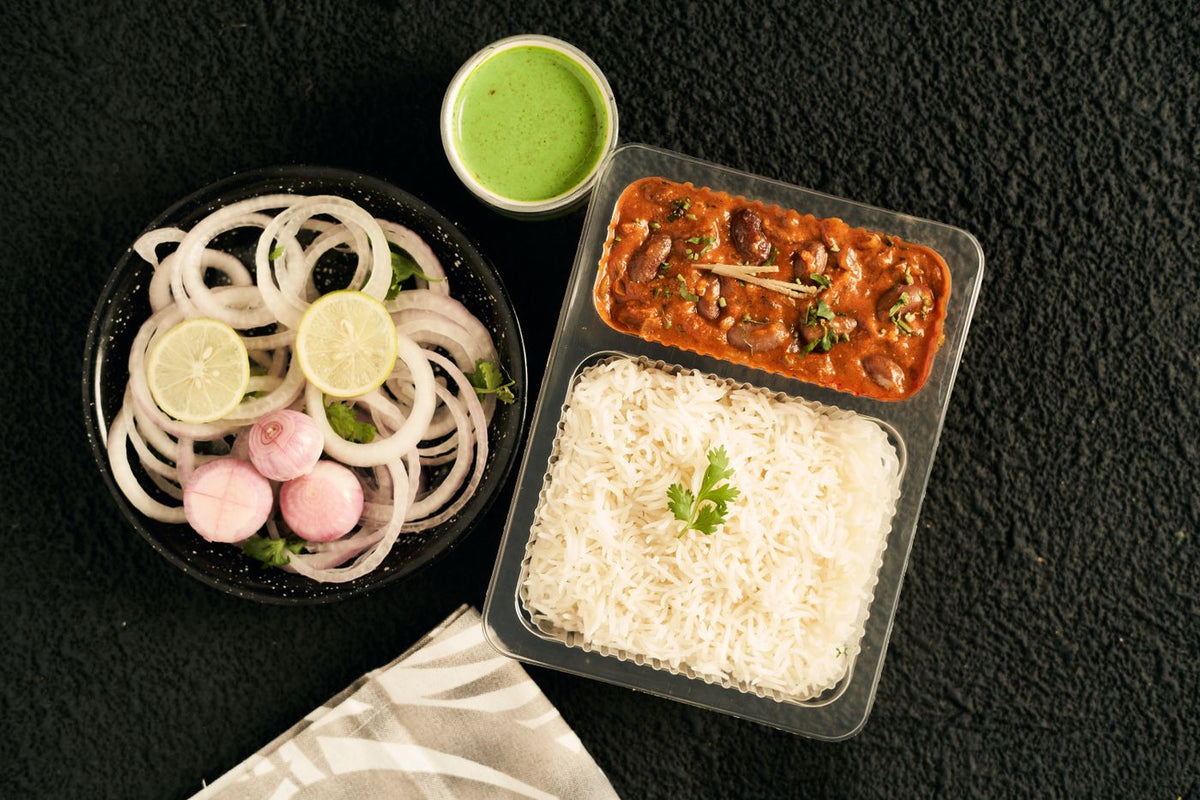
Amounts are per typical portion. Cooked pulses, leafy vegetables, tofu, seeds, nuts and soft dates are calculated from USDA FoodData Central values per 100 g; bajra, rajgira, poha, ragi and dry dates from the Indian Food Composition Tables (IFCT 2017, raw weight). Cooked pulses are for 1 katori (about 150 g) of cooked, drained pulses; a watery dal will contain less per katori.
| Food | Typical portion | Iron (mg) |
|---|---|---|
| Soybeans, cooked | 1 katori (about 150 g) | 7.7 |
| Masoor or other lentils, cooked | 1 katori (about 150 g) | 5.0 |
| Rajma (red kidney beans), cooked | 1 katori (about 150 g) | 4.4 |
| Kabuli chana (chickpeas), cooked | 1 katori (about 150 g) | 4.3 |
| Bajra (pearl millet) flour | 2 rotis (about 60 g flour) | 3.9 |
| Spinach (palak), boiled and drained | 100 g | 3.6 |
| Tofu, firm | 100 g | 2.7 |
| Rajgira (amaranth seeds) | 30 g | 2.4–2.8 |
| Chaulai (amaranth leaves), boiled and drained | 100 g | 2.3 |
| Drumstick leaves (sahjan / moringa), raw | 50 g | 2.0 |
| Poha (rice flakes), not fortified | 1 plate (about 40 g dry) | 1.8 |
| Pumpkin seeds (kaddu ke beej) | 2 tbsp (about 20 g) | 1.8 |
| Sesame seeds (til), whole | 1 tbsp (about 10 g) | 1.5 |
| Ragi (finger millet) flour | 30 g (about 1 roti) | 1.4 |
| Almonds (badam) | 20 g (about 15 nuts) | 0.7 |
| Dates: soft (khajur) / dry (chuhara) | 30 g | 0.3 / 1.0–1.4 |
The ICMR-NIN Dietary Guidelines for Indians (2024) name beans, dry fruits, green leafy vegetables, pulses and flesh foods as iron sources. Some packaged poha is fortified with iron, so check the label; the figure above is for plain poha.
Foods that are often overstated
- Jaggery (gud): it is mainly sugar, and the ICMR-NIN guidelines do not list it among iron sources. IFCT 2017 gives about 4.6 mg of iron per 100 g, so a 10 g piece provides under 0.5 mg of iron along with about 8 g of sugar. Treat it as a sweetener, not as a way to raise iron.
- Dates: 30 g of soft dates gives about 0.3 mg of iron, and 30 g of dry dates (chuhara) about 1–1.4 mg: roughly 1–5% of a woman's RDA.
- Garden cress seeds (halim / aliv): they are genuinely iron-rich, at about 17 mg per 100 g in IFCT 2017, more than bajra. But halim is eaten by the spoonful, so a tablespoon (about 10 g) gives about 1.7 mg, a little less than 100 g of cooked chaulai.
Iron rich foods vegetables: what the greens offer
If you are looking for iron rich foods vegetables, leafy greens are the main group. ICMR-NIN's 2024 guidelines give green leafy vegetables an average of about 8 mg of iron per 100 g raw, though individual greens vary. In the USDA data, boiled palak has 3.6 mg per 100 g, boiled chaulai 2.3 mg and raw drumstick leaves 4.0 mg. All of this is non-haem iron, so it helps to add lemon, tomato or amla to the dish. Spinach is also high in oxalate, which mainly limits how much of its calcium you absorb; see calcium rich foods.
Haem vs non-haem iron: non-veg iron rich foods
Iron comes in two forms. Plant foods and fortified foods contain only non-haem iron. Meat, fish and poultry contain both haem and non-haem iron, and haem iron is absorbed better. The NIH Office of Dietary Supplements (ODS) estimates that 14–18% of iron is absorbed from mixed diets, compared with 5–12% from vegetarian diets.
| Food | Typical portion | Iron (mg) |
|---|---|---|
| Chicken liver, cooked | 85 g (3 oz) | 9.9 |
| Mutton (goat meat), cooked | 100 g | 3.7 |
| Sardines, canned in oil, with bone | 85 g (3 oz) | 2.5 |
| Eggs (anda), whole | 2 eggs (about 100 g) | 1.8 |
| Chicken breast, roasted | 100 g | 1.0 |
These are USDA values for cooked foods (eggs raw). Indian mutton cuts in IFCT 2017 contain about 1.5–1.9 mg per 100 g raw, so amounts vary with the cut. Meat, fish and poultry also improve absorption of the non-haem iron eaten with them.
Vegan iron rich foods and how to absorb more
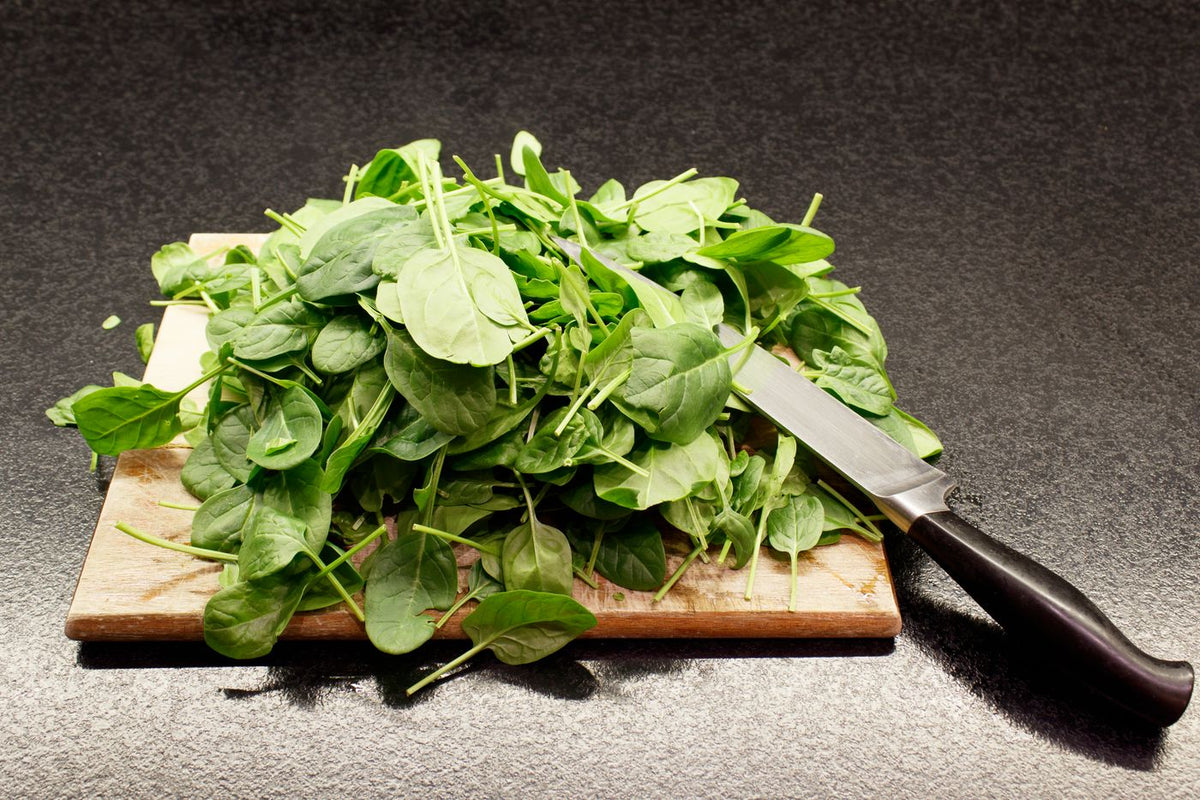
Vegan iron rich foods are the plant sources in the first table. ODS notes that people on vegetarian diets need about 1.8 times as much iron, because less is absorbed. These habits help:
- Add vitamin C: vitamin C improves non-haem iron absorption, and under EU-authorised wording vitamin C increases iron absorption. Squeeze lemon on dal, rajma, chana and poha, or have guava, orange or amla with the meal. See vitamin C rich foods.
- Keep tea and coffee away from meals: ICMR-NIN advises avoiding tea before, during or soon after a meal, because it binds dietary iron.
- Sprout and ferment: ICMR-NIN notes that fermented and sprouted grains improve iron availability. Moong sprouts, idli and dosa are everyday examples. Phytate in grains and beans reduces absorption (the same applies to zinc; see zinc rich foods).
- Space out calcium: ODS notes that calcium might reduce absorption of both haem and non-haem iron. If you take calcium tablets, ask your doctor about timing.
Iron rich foods highest: top 10 iron rich foods vegetarian
Per 100 g, garden cress seeds (about 17 mg), whole sesame seeds (about 14.6 mg), pumpkin seeds (8.8 mg), rajgira (8.0–9.3 mg) and bajra (6.4 mg) are among the richest vegetarian sources, and cooked chicken liver (11.6 mg) leads the non-veg list. A practical top 10 iron rich foods vegetarian list, by amount per portion:
- Soybeans
- Masoor and other lentils
- Rajma
- Kabuli chana
- Bajra
- Palak
- Tofu
- Rajgira
- Chaulai
- Drumstick leaves
As an illustration, 1 katori of rajma, 2 bajra rotis, a plate of poha, 100 g of cooked palak and 1 tbsp of til add up to about 15 mg. That is close to a woman's EAR but about half her RDA, before allowing for absorption, which shows why variety, vitamin C and medical checks all matter.
Iron rich foods for periods
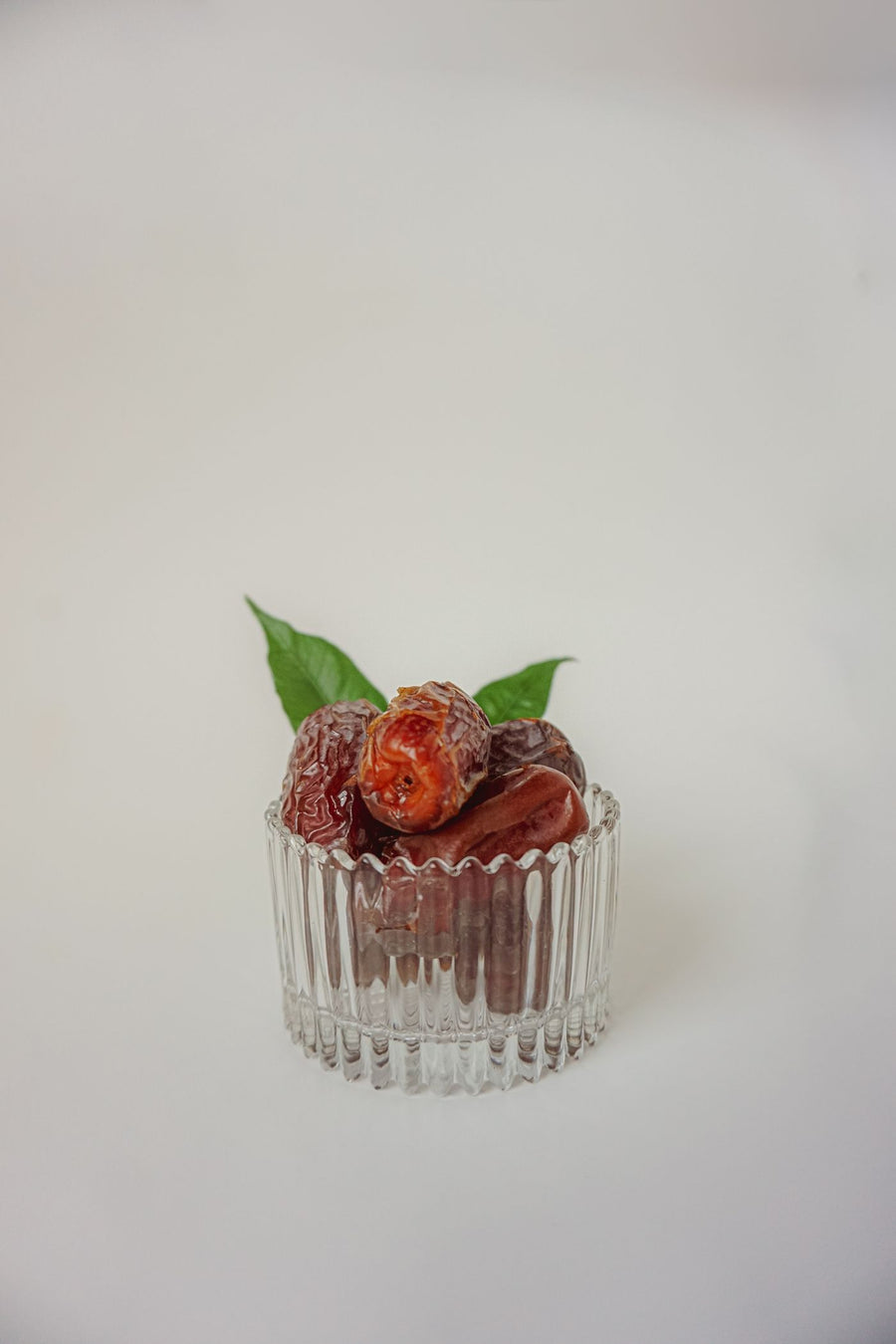
Monthly bleeding is a major reason women's iron needs are higher, so include iron rich foods for periods every day, not only during your period: a pulse and a green leafy vegetable at most meals, a millet such as bajra or ragi, a spoon of til or pumpkin seeds, and eggs, fish or meat if you eat them. Women with heavy menstrual bleeding are at higher risk of iron deficiency, according to ODS. If your periods are heavy, or you feel unusually tired, breathless or dizzy, see a doctor rather than relying on food alone.
When food is not enough: see a doctor first
Eating enough iron-rich food matters, but food alone may not correct anaemia once it has developed. A simple blood test (haemoglobin, and often ferritin) shows whether you are anaemic and why. Do not start iron supplements on your own: the US tolerable upper intake level for adults is 45 mg a day, high doses can cause stomach and gut side effects, and people with haemochromatosis (an inherited iron overload condition) must avoid iron supplements. Keep iron tablets away from children, because accidental overdose is a leading cause of fatal poisoning in children under 6. In pregnancy, follow your doctor's advice on iron and folic acid (IFA) tablets, and avoid tea around the time you take them.
Frequently asked questions
Which Indian food is highest in iron?
Per 100 g, garden cress seeds (halim), whole sesame seeds, rajgira, pumpkin seeds and bajra are among the richest vegetarian sources, and liver among non-veg foods. Per serving, a katori of cooked soybeans (about 7.7 mg) or lentils (about 5 mg) gives more.
Which fruit is rich in iron?
Most fruits are low in iron. Their bigger value is vitamin C: guava, orange and amla eaten with a meal help you absorb the iron in dal, chana or greens.
Does jaggery increase haemoglobin?
Jaggery is mainly sugar and is not listed as an iron source in the ICMR-NIN guidelines. If your haemoglobin is low, see a doctor for testing and treatment.
References
- ICMR-National Institute of Nutrition. A brief note on nutrient requirements for Indians, the Recommended Dietary Allowances (RDA) and the Estimated Average Requirements (EAR). 2020. nin.res.in
- ICMR-National Institute of Nutrition. Dietary Guidelines for Indians. 2024. nin.res.in
- Longvah T, Ananthan R, Bhaskarachary K, Venkaiah K. Indian Food Composition Tables 2017. ICMR-National Institute of Nutrition, Hyderabad. nin.res.in
- NIH Office of Dietary Supplements. Iron: Fact Sheet for Health Professionals. ods.od.nih.gov
- U.S. Department of Agriculture, Agricultural Research Service. FoodData Central (SR Legacy). fdc.nal.usda.gov
- Ministry of Health and Family Welfare. Lok Sabha Unstarred Question No. 1953, answered 2 August 2024 (NFHS-5 anaemia prevalence). eparlib.nic.in
- European Commission. Commission Regulation (EU) No 432/2012 establishing a list of permitted health claims made on foods. eur-lex.europa.eu
This article is for general education and is not medical advice. Food supplements are not intended to diagnose, treat, cure or prevent any disease. Consult a qualified healthcare professional before starting any supplement, particularly if you are pregnant, breastfeeding, have a medical condition or take medication.






