Medically reviewed by Dr. Reina Punj, MBBS, PG Diploma in Endocrinology (University of South Wales), Lead Physician, Excelgenics Clinical Panel.
The main hyaluronic acid benefits for skin come from its ability to bind and hold water. Applied as a serum or moisturiser, it acts as a humectant that draws moisture into the outer layer of the skin, and in a controlled trial hyaluronic acid creams improved skin hydration and elasticity. Hyaluronic acid uses also include oral supplements, where a few small, mostly industry-funded trials have reported modest changes in skin moisture and wrinkles, and injectable fillers, which are a medical procedure.
This guide explains what hyaluronic acid is, the main hyaluronic acid uses for skin, the benefits of hyaluronic acid for the face when applied topically, what the research on supplements actually shows, and how to use it safely.
What is hyaluronic acid?
Hyaluronic acid (HA, also called hyaluronan or, in its salt form, sodium hyaluronate) is a sugar-based molecule that your body makes itself. The skin holds about half of all the hyaluronic acid in the body. A review in Dermato-Endocrinology describes it as the key molecule involved in skin moisture because of its "unique capacity to bind and retain water molecules".
Hyaluronic acid in the skin is renewed constantly: it lasts less than a day there. With age, the same review reports less hyaluronic acid in the skin, especially in the epidermis (the outer layer), and shorter hyaluronic acid chains. This is part of normal skin ageing.
The hyaluronic acid in skincare and supplements was traditionally extracted from rooster combs. Today it is mainly made by bacterial fermentation. If you avoid animal products, check the label or ask the brand about the source.
Hyaluronic acid uses
Hyaluronic acid is used in several quite different ways:
- Skincare: serums, moisturisers and gels applied to the face and body.
- Oral supplements: capsules or tablets, often combined with collagen and vitamins.
- Medical uses: doctors use hyaluronic acid as a dermal filler, in eye surgery and in joint injections. These are prescribed or performed by trained professionals.
Each use works differently, and the evidence for one does not apply to the others.
Hyaluronic acid benefits for skin when applied topically
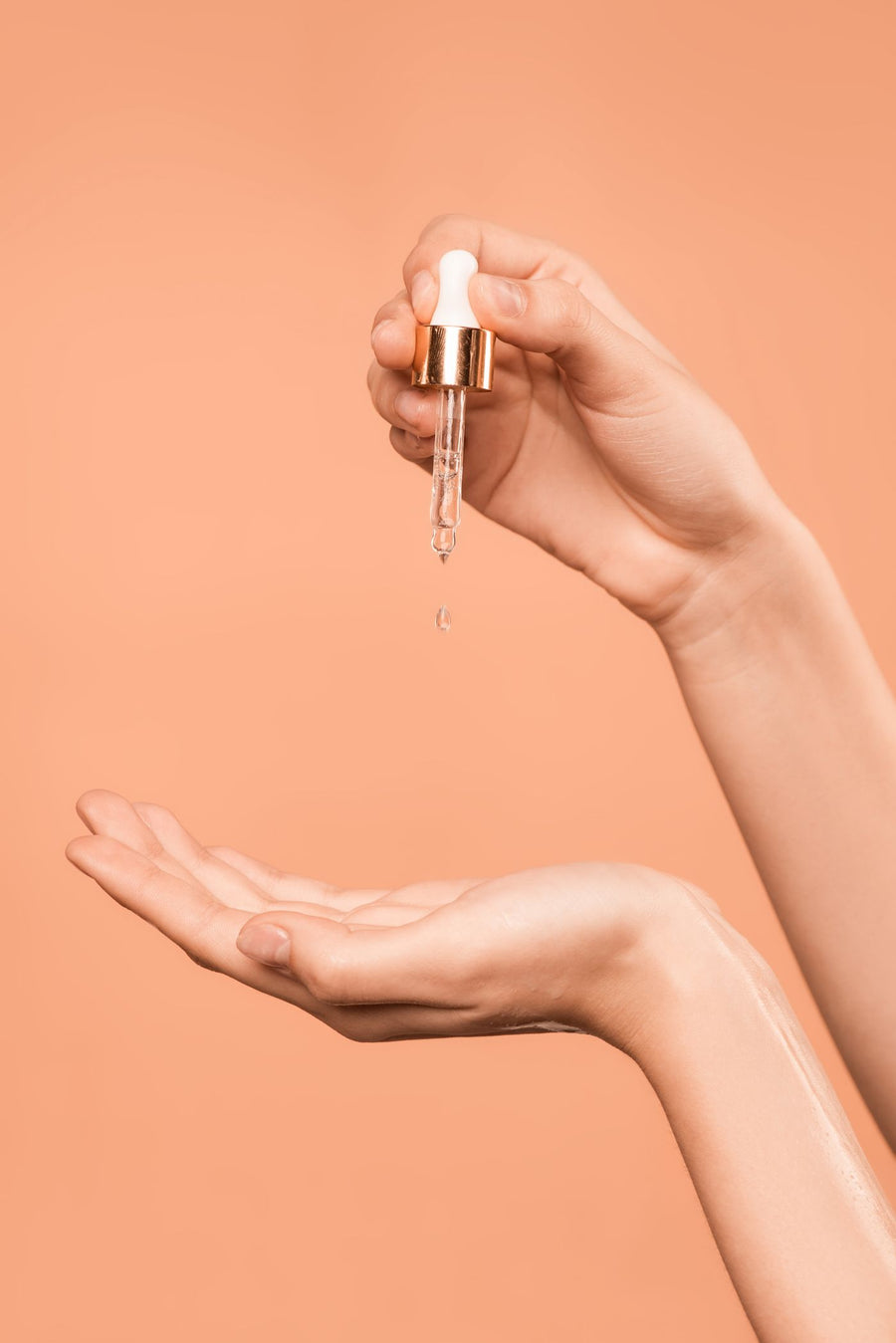
On the skin, hyaluronic acid works as a humectant: an ingredient that attracts water. This is why the American Academy of Dermatology lists hyaluronic acid, along with glycerin, among the ingredients to look for in a moisturiser for dry skin.
A widely cited trial of hyaluronic acid creams (Pavicic and colleagues, 2011) included 76 women aged 30–60 with wrinkles around the eyes. Each woman applied a 0.1% hyaluronic acid cream around one eye and a plain cream around the other, twice daily for 60 days. The study tested five sizes of hyaluronic acid molecule:
- All of the hyaluronic acid creams significantly improved skin hydration and elasticity compared with the plain cream.
- Only the two smallest molecule sizes (50 and 130 kDa) significantly reduced wrinkle depth. The authors suggest that smaller molecules may penetrate the skin better.
This was one study, and measured changes may not be visible for every person. Still, it supports the main benefit of hyaluronic acid for the face: helping the skin hold moisture, so it feels smoother and less dry.
Low vs high molecular weight
Labels sometimes mention "low molecular weight" or "multi-weight" hyaluronic acid. In the trial above, every size helped hydration; only the smaller sizes reduced wrinkle depth. The overall formula matters too.
Hyaluronic acid for face: how to use it
- Apply to damp skin. The American Academy of Dermatology advises applying moisturiser while your skin is still damp after washing or bathing. A hyaluronic acid serum fits into the same step.
- Follow with a moisturiser. A humectant draws water in; a cream or ointment on top helps keep it there.
- Use sunscreen in the day. Moisturising does not protect against sun damage, which is a major cause of skin ageing.
- Patch test first. The AAD suggests applying a new product to a small area, such as the inside of the elbow, twice a day for 7–10 days. If redness, itching or swelling appears, wash it off and stop using it.
If you use prescription creams, ask your dermatologist how to fit a hyaluronic acid product into your routine.
Oral hyaluronic acid supplements: what the research shows
Taking hyaluronic acid by mouth is a newer idea. In rat studies, some hyaluronic acid taken by mouth was absorbed and reached the skin, but how this works in people has not been fully established.
Two papers are cited most often:
- Kawada and colleagues (2014), a narrative review in Nutrition Journal, summarised small Japanese trials. In four placebo-controlled trials (22–42 participants each), 120–240 mg of hyaluronic acid a day for 4–6 weeks increased skin moisture compared with placebo.
- Oe and colleagues (2017) gave 60 Japanese adults aged 22–59 either 120 mg a day of hyaluronic acid (one of two molecular sizes) or a placebo for 12 weeks. After 8 weeks, the group taking the larger molecule had significantly less wrinkle volume than the placebo group; the result for the smaller molecule just missed statistical significance. Self-rated wrinkles, skin lustre and suppleness improved in all groups, including placebo. No adverse events were reported.
Both papers were written mainly by employees of a company that makes hyaluronic acid, and the trials were small and short. The European Food Safety Authority (EFSA) assessed a claim that hyaluronic acid taken by mouth protects the skin against dehydration and concluded that a cause-and-effect relationship had not been established. There is no authorised EU health claim for hyaluronic acid. So the fair summary is: some small trials have found modest changes, but the evidence is limited and results cannot be assumed for any particular product.
Some supplements combine hyaluronic acid with other ingredients. For example, Radia Marine Collagen + Hyaluronic Acid provides 100 mg of low-molecular-weight hyaluronic acid per 2-capsule daily serving (this product was not tested in the trials above), along with marine collagen peptides 500 mg, vitamin C 65 mg and other ingredients. Radia is fish-derived, so it is not vegetarian or suitable for anyone with a fish allergy. It also contains CoQ10, which can interact with warfarin and insulin, and black pepper extract (piperine), which can change how some medicines are processed. For collagen research, see benefits of marine collagen and our Marine Collagen Supplements Guide.
Hyaluronic acid injections (fillers)

Hyaluronic acid fillers are injected to add volume or smooth lines. The US Food and Drug Administration (FDA) treats them as medical devices and filler injection as a medical procedure. Common side effects include bruising, redness, swelling and tenderness. A rare but serious risk is accidental injection into a blood vessel, which can damage skin or cause vision problems. The FDA warns against injecting yourself, needle-free "pens" and buying fillers online. If you are considering fillers, see a qualified dermatologist or plastic surgeon.
Supporting your skin's moisture with food and habits
Your skin makes its own hyaluronic acid and collagen. A balanced diet supports the nutrients involved: vitamin C contributes to normal collagen formation for the normal function of skin (EU-authorised wording). Amla, guava, citrus fruits and capsicum are rich sources; see vitamin C rich foods and collagen-rich foods for skin. For colourful fruits and vegetables that supply antioxidants, see antioxidant rich foods. Daily sun protection, not smoking and enough sleep also matter for skin.
Is hyaluronic acid safe?
Your body already makes hyaluronic acid. As with any skincare product, irritation or allergy can occur, so patch test first. The oral trials above reported no adverse events, but they were small and short. Ask your doctor before taking a supplement if you are pregnant or breastfeeding, have a medical condition or take regular medicines.
Frequently asked questions
What does hyaluronic acid do for the face?
It attracts and holds water in the outer layer of the skin, so the skin feels more hydrated and smoother. In one trial, 0.1% hyaluronic acid creams improved hydration and elasticity over 60 days.
Can I use hyaluronic acid every day?
Hyaluronic acid skincare is usually part of a daily routine; in the trial described above, the cream was applied twice a day for 60 days. Follow the product label and stop if your skin becomes irritated.
Is hyaluronic acid good for oily or acne-prone skin?
Hyaluronic acid attracts water and is not an oil. The rest of the formula matters too, so if you have acne or a skin condition, ask a dermatologist which products suit you.
Do hyaluronic acid supplements work?
A few small trials, mostly industry-funded, have reported modest improvements in skin moisture or wrinkles with 120–240 mg a day. EFSA has not accepted a skin claim for hyaluronic acid, so the evidence is limited.
Is hyaluronic acid vegetarian?
Hyaluronic acid itself can be made by bacterial fermentation, but it was traditionally extracted from rooster combs, and supplements may combine it with animal-derived ingredients such as fish collagen. Check the label.
References
- Papakonstantinou E, Roth M, Karakiulakis G. Hyaluronic acid: a key molecule in skin aging. Dermato-Endocrinology. 2012;4(3):253–258. doi:10.4161/derm.21923
- Pavicic T, Gauglitz GG, Lersch P, et al. Efficacy of cream-based novel formulations of hyaluronic acid of different molecular weights in anti-wrinkle treatment. Journal of Drugs in Dermatology. 2011;10(9):990–1000. jddonline.com
- Kawada C, Yoshida T, Yoshida H, et al. Ingested hyaluronan moisturizes dry skin. Nutrition Journal. 2014;13:70. doi:10.1186/1475-2891-13-70
- Oe M, Sakai S, Yoshida H, et al. Oral hyaluronan relieves wrinkles: a double-blinded, placebo-controlled study over a 12-week period. Clinical, Cosmetic and Investigational Dermatology. 2017;10:267–273. doi:10.2147/CCID.S141845
- EFSA Panel on Dietetic Products, Nutrition and Allergies. Scientific Opinion on the substantiation of a health claim related to hyaluronic acid and protection of the skin against dehydration. EFSA Journal. 2012;10(7):2806. doi:10.2903/j.efsa.2012.2806
- Liu L, Liu Y, Li J, Du G, Chen J. Microbial production of hyaluronic acid: current state, challenges, and perspectives. Microbial Cell Factories. 2011;10:99. doi:10.1186/1475-2859-10-99
- U.S. Food and Drug Administration. Dermal Fillers (Soft Tissue Fillers). fda.gov
- American Academy of Dermatology. Dermatologists' top tips for relieving dry skin. aad.org
- U.S. Pharmacist. Tips on testing skin care products before use (American Academy of Dermatology advice). 2021. uspharmacist.com
- European Commission. Commission Regulation (EU) No 432/2012 establishing a list of permitted health claims made on foods. eur-lex.europa.eu
This article is for general education and is not medical advice. Food supplements are not intended to diagnose, treat, cure or prevent any disease. Consult a qualified healthcare professional before starting any supplement, particularly if you are pregnant, breastfeeding, have a medical condition or take medication.