

Medically reviewed by Dr. Reina Punj, MBBS, PG Diploma in Endocrinology (University of South Wales), Lead Physician, Excelgenics Clinical Panel.
Foods containing collagen are all animal foods: bone broth, gelatin, fish skin and bones, chicken skin and tough cuts of meat with lots of connective tissue. Plants contain no collagen, so there are no true vegetarian collagen foods. Your body makes its own collagen, though, and everyday Indian vegetarian foods supply what it needs: vitamin C from amla, guava and citrus fruits, protein from dals, paneer and curd, and zinc and copper from nuts, seeds and whole grains.
This guide lists collagen rich foods, explains what happens to collagen when you eat it, and covers the nutrients your skin needs to make its own. For supplements, see our Marine Collagen Supplements Guide.
What is collagen and why does skin need it?
Collagen is the most abundant protein in the body. It forms a strong, fibre-like network that gives structure to skin, bone, tendons and cartilage. Collagen production slows with age, and sun exposure, smoking, too much alcohol and poor sleep speed up its loss. Food cannot stop ageing, but a good diet gives your body the raw materials it uses to keep making collagen.
Collagen rich foods: the animal sources
| Food | Why it contains collagen | Notes |
|---|---|---|
| Bone broth (chicken, mutton or fish) | Bones, cartilage and skin release collagen into the liquid as gelatin during long, slow simmering | The amount varies a lot between batches |
| Gelatin | Made by boiling animal bones, cartilage and skin | Check the label for the animal source |
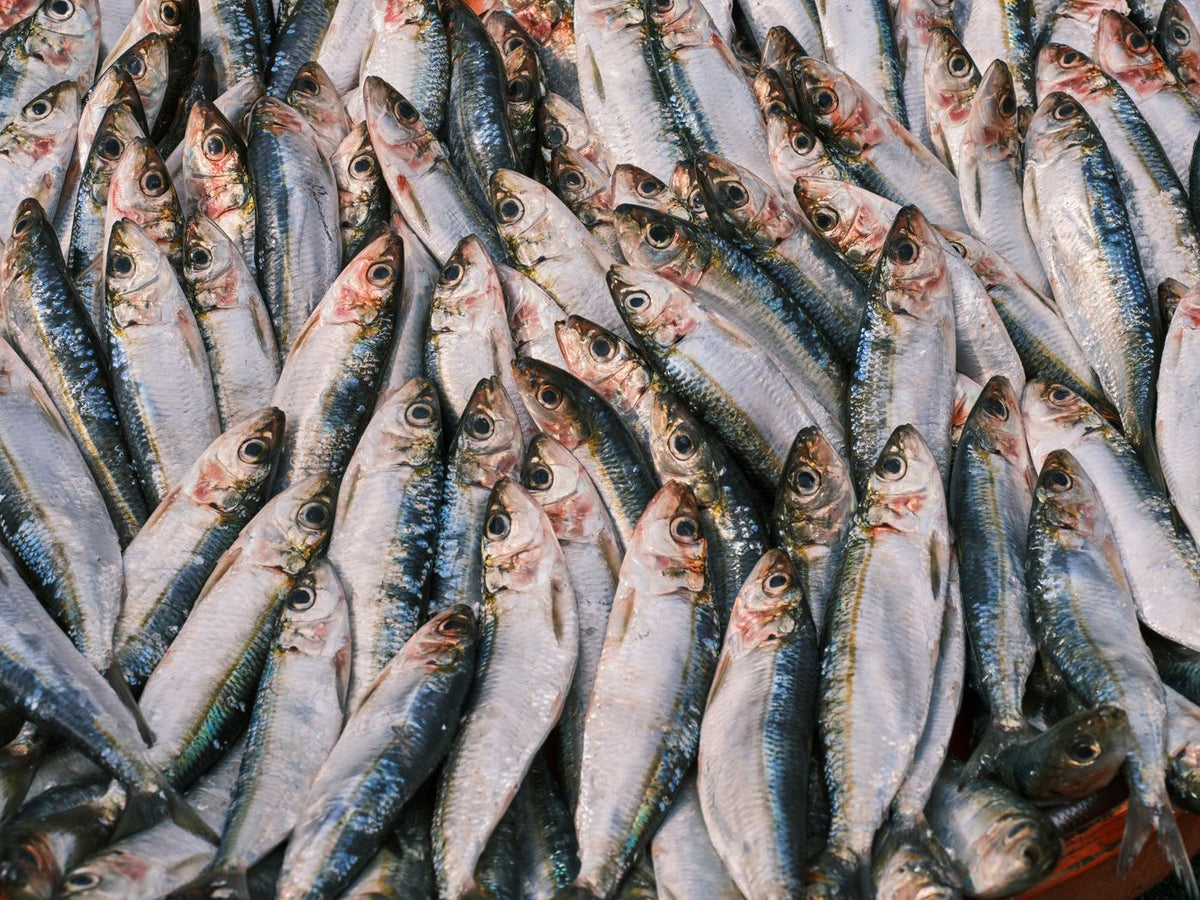
| Fish skin and bones | Fish skin and bones contain collagen; fish skin and scales are the source of marine collagen supplements | Cook fish with the skin on, or make a fish stock with the bones |
| Chicken skin and cartilage | Skin and joints contain connective tissue | Chicken feet and bones are often used for broth |
| Tough cuts of meat | Cuts with lots of connective tissue, such as brisket and chuck | Slow cooking softens the collagen; keep red meat moderate |
The Harvard T.H. Chan School of Public Health notes that the amino acid content of bone broth "will vary among batches", and that the protein from gelatin in broth is roughly 5–10 g per cup. Bone broth is a nourishing food, but claims that it reverses wrinkles are not supported.
What happens to collagen when you eat it?
Collagen you eat does not travel straight to your skin. Like any protein, it is digested into amino acids and small fragments called peptides. A 2005 study found that after people took gelatin hydrolysates, small collagen-derived peptides, mainly one called prolyl-hydroxyproline (Pro-Hyp), appeared in their blood within 1–2 hours. Researchers are studying whether such peptides have any effect on skin, but the Harvard Nutrition Source notes a lack of research showing that eating collagen-rich foods directly benefits skin.
In practice, your body uses the amino acids from all the protein you eat, whether from collagen, dal or paneer, to build its own proteins, including collagen.
Nutrients your body uses to make collagen
Vitamin C
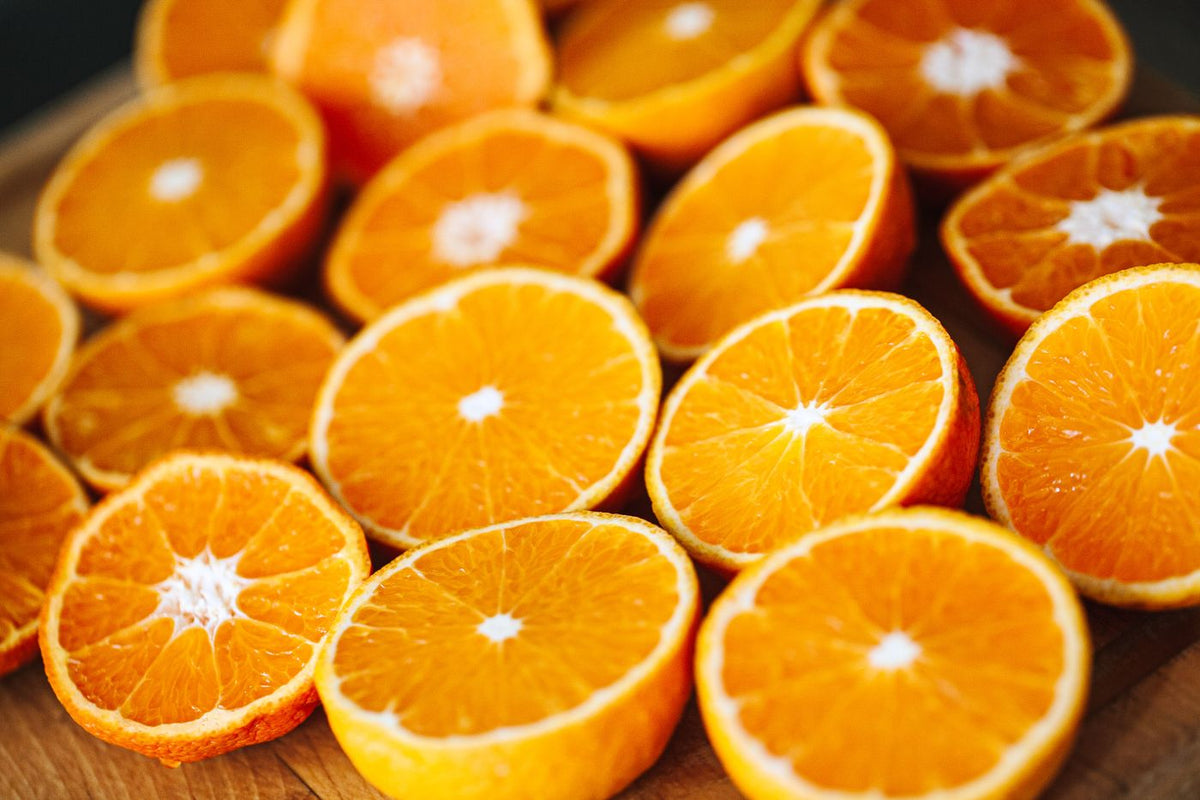
Vitamin C is essential for making collagen; without it, collagen production is impaired and connective tissue weakens. EFSA, the European Food Safety Authority, has confirmed that vitamin C contributes to normal collagen formation for the normal function of skin. Humans cannot make vitamin C, so it must come from food. The ICMR-NIN recommended dietary allowance for Indian adults is 80 mg a day for men and 65 mg a day for women. Vitamin C is easily destroyed by heat, air and long storage, so include some raw fruit or lightly cooked vegetables every day.
Protein, including glycine and proline
Collagen is especially rich in the amino acids glycine, proline and hydroxyproline. The body can make these from the protein you eat, so the practical goal is enough protein overall. ICMR-NIN recommends 0.83 g of protein per kg of body weight a day for adults.
Zinc
Zinc is needed by hundreds of enzymes and plays a role in protein synthesis and wound healing. The ICMR-NIN allowance is 17 mg a day for men and 13 mg for women. Phytates in pulses and whole grains reduce zinc absorption, so vegetarians often take in less zinc than people who eat meat.
Copper
Copper helps an enzyme called lysyl oxidase link collagen fibres together so they become strong and stable. EFSA has confirmed that copper contributes to the maintenance of normal connective tissues.
Vegetarian collagen foods: an Indian food list
Strictly speaking, vegetarian collagen foods do not exist. What vegetarian foods can do is supply the nutrients your body uses to make its own collagen:
| Nutrient | Vegetarian Indian food sources |
|---|---|
| Vitamin C | Amla, guava, oranges, mosambi, lemon, capsicum, tomatoes and green leafy vegetables |
| Protein | Dals, rajma, chana, soya, paneer, curd and milk |
| Zinc | Beans and other pulses, nuts, seeds, whole grains and dairy |
| Copper | Cashews, sesame seeds (til), sunflower seeds, chickpeas, whole wheat and millets |
Amla deserves a special mention: studies have reported between 193 and 720 mg of vitamin C per 100 g of fresh fruit, depending on the variety. A simple day might include amla or guava, dal with a lemon squeeze, a bowl of curd, a handful of nuts and seeds, and a sabzi of leafy greens.
Soaking beans, grains and seeds in water for several hours before cooking reduces the binding of zinc by phytates, and organic acids in fermented foods, such as idli and dosa batter, might increase zinc absorption.
Protect the collagen you already have
- Sun protection: sun exposure speeds up collagen loss. Daily sunscreen, shade and covering up do more for skin than any food.
- Do not smoke: smoking, including second-hand smoke, is linked to faster collagen loss.
- Sleep, stress and alcohol: poor sleep, long-term stress and too much alcohol are also linked to collagen loss.
- Keep active: lack of exercise is another factor linked to faster decline.
Do you need a collagen supplement?
Most people can meet their protein and vitamin C needs from food. Collagen supplements provide hydrolysed collagen peptides; some trials have reported better skin hydration and elasticity, but a 2025 meta-analysis found these benefits mainly in industry-funded and lower-quality trials. If you choose one, note that marine collagen supplements such as Radia are fish-derived, so they are not vegetarian or suitable for anyone with a fish allergy. Radia also contains CoQ10 and black pepper extract (piperine), which can interact with some medicines, so speak to your doctor first if you take regular medication. Read more in marine collagen side effects.
Frequently asked questions
Which fruit has the most collagen?
None. Fruit contains no collagen. Fruits rich in vitamin C, such as amla, guava and oranges, help because vitamin C contributes to normal collagen formation.
Is there any vegetarian source of collagen?
No. Collagen is found only in animal tissue. "Vegan collagen" products contain no collagen; they provide nutrients the body uses to make its own.
Is bone broth good for skin?
Bone broth provides protein, and its collagen is digested into amino acids and peptides like any other protein. There is little research showing that it directly improves skin.
Does eating collagen increase collagen in the skin?
Not directly. Your body breaks collagen down and uses the building blocks wherever it needs protein. Enough protein, vitamin C and sun protection matter most.
References
- Harvard T.H. Chan School of Public Health, The Nutrition Source. Collagen. nutritionsource.hsph.harvard.edu
- Iwai K, Hasegawa T, Taguchi Y, et al. Identification of food-derived collagen peptides in human blood after oral ingestion of gelatin hydrolysates. Journal of Agricultural and Food Chemistry. 2005;53(16):6531–6536. doi:10.1021/jf050206p
- EFSA Panel on Dietetic Products, Nutrition and Allergies. Scientific Opinion on the substantiation of health claims related to vitamin C. EFSA Journal. 2009;7(9):1226. doi:10.2903/j.efsa.2009.1226
- EFSA Panel on Dietetic Products, Nutrition and Allergies. Scientific Opinion on the substantiation of health claims related to copper. EFSA Journal. 2009;7(9):1211. doi:10.2903/j.efsa.2009.1211
- NIH Office of Dietary Supplements. Vitamin C: Fact Sheet for Health Professionals. ods.od.nih.gov
- NIH Office of Dietary Supplements. Zinc: Fact Sheet for Health Professionals. ods.od.nih.gov
- NIH Office of Dietary Supplements. Copper: Fact Sheet for Health Professionals. ods.od.nih.gov
- ICMR-National Institute of Nutrition. A brief note on nutrient requirements for Indians, the Recommended Dietary Allowances (RDA) and the Estimated Average Requirements (EAR). 2020. nin.res.in
- ICMR-National Institute of Nutrition. Dietary Guidelines for Indians. 2024. nin.res.in
- Gul M, Liu ZW, Iahtisham-Ul-Haq, et al. Functional and nutraceutical significance of amla (Phyllanthus emblica L.): a review. Antioxidants. 2022;11(5):816. doi:10.3390/antiox11050816
- Myung SK, Park Y. Effects of collagen supplements on skin aging: a systematic review and meta-analysis of randomized controlled trials. The American Journal of Medicine. 2025;138(9):1264–1277. doi:10.1016/j.amjmed.2025.04.034
This article is for general education and is not medical advice. Food supplements are not intended to diagnose, treat, cure or prevent any disease. Consult a qualified healthcare professional before starting any supplement, particularly if you are pregnant, breastfeeding, have a medical condition or take medication.






