

Medically reviewed by Dr. Reina Punj, MBBS, PG Diploma in Endocrinology (University of South Wales), Lead Physician, Excelgenics Clinical Panel.
Is flaxseed oil good for hair? Honestly, the evidence is thin: no clinical trials in people have shown that flaxseed oil, whether rubbed into the scalp or taken by mouth, makes hair grow faster or thicker. Using flaxseed oil in hair as a conditioner is unlikely to cause problems for most people and may make hair feel softer, and eating omega-3 fats is part of a healthy diet, but if you are worried about hair loss, the cause matters far more than the oil. This article explains what is actually known about flaxseed oil for hair growth, how people use it, and when hair fall needs a doctor.
What is flaxseed oil?
Flaxseed oil (also called linseed or alsi oil) is pressed from the seeds of the flax plant. It is the richest common food source of alpha-linolenic acid (ALA), a plant omega-3 fat, with about 7.3 g of ALA in one tablespoon. ALA is an essential fat: the body cannot make it, so it has to come from food.
ALA is not the same as EPA and DHA, the omega-3 fats found in fish oil. The body converts only a small share of ALA into EPA and DHA, with reported rates of less than 15%. For a full explanation, see our Vegan Omega-3 Supplements Guide.
Flaxseed oil for hair growth: what the research shows
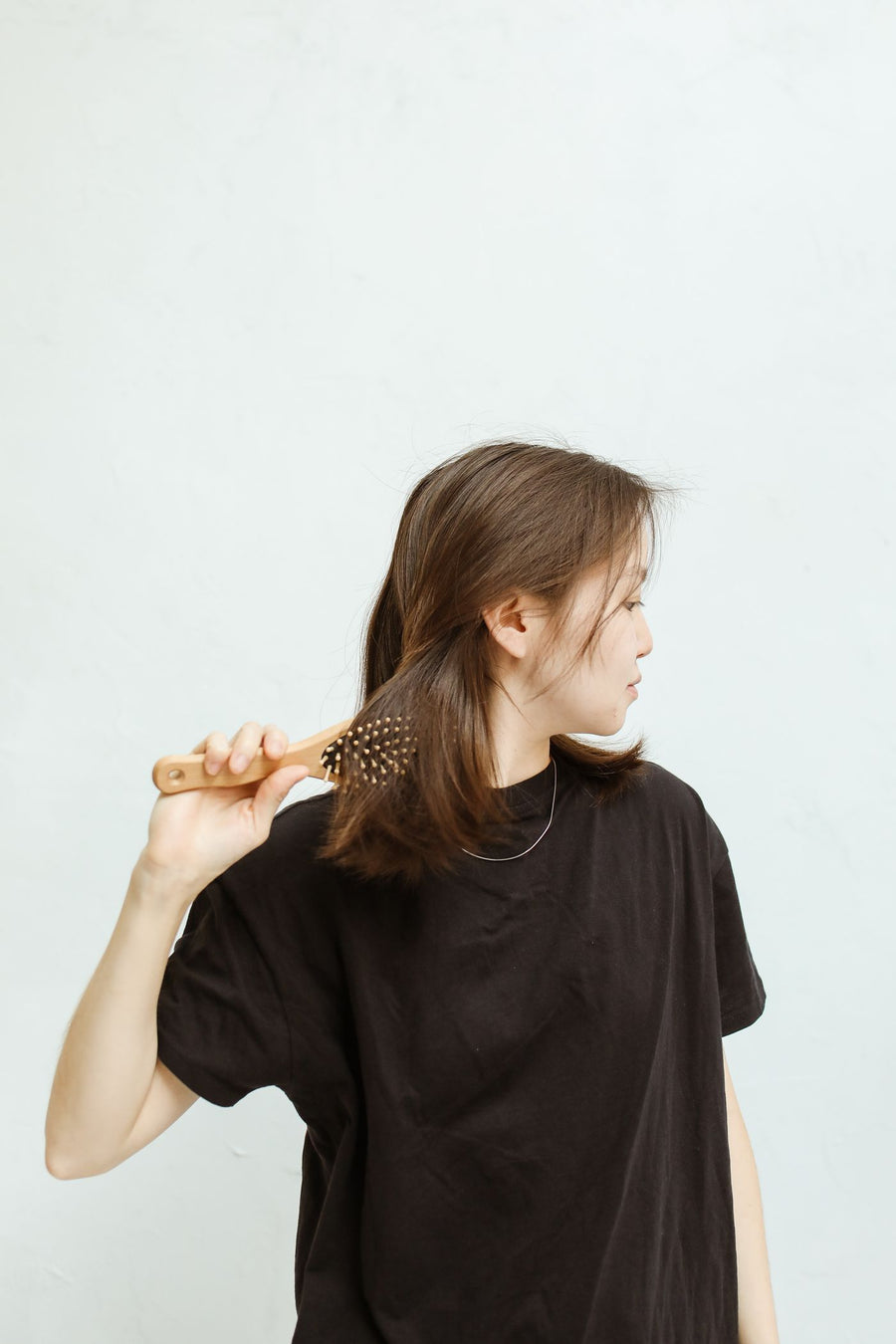
When people search for the benefits of flaxseed oil on hair, they usually find confident claims. The research behind them is much weaker than the claims suggest.
- No human hair-growth trials. We could not find any published clinical trial in people that tested flaxseed oil, applied to the scalp or swallowed, for hair growth or hair loss. A 2025 review that graded the human evidence for flaxseed oil supplements across many health outcomes did not include any hair studies.
- Animal and laboratory work only. A few small studies have looked at flaxseed and hair or fur growth in animals such as rabbits. Results in animals often do not carry over to people, so they cannot tell you whether flaxseed oil will help your hair.
- Skin studies, not hair studies. The closest human evidence is on skin. In a small 12-week trial, women with sensitive skin who took flaxseed oil daily had reduced skin reactivity, less water loss through the skin and smoother, better-hydrated skin, while a comparison group taking safflower oil showed smaller changes. This was a small study of skin, not the scalp, and it did not measure hair.
There is a reasonable biological link: a lack of essential fatty acids can cause rough, scaly skin and dermatitis, and the scalp is skin. But true essential fatty acid deficiency is uncommon in people eating a normal diet, and there is no evidence that adding flaxseed oil to an adequate diet improves hair growth.
Using flaxseed oil in hair as a conditioner
Many people in India already oil their hair with coconut, almond or mustard oil, and flaxseed oil can be used in the same way. Any benefit is cosmetic, meaning how hair looks and feels, not growth. If you want to try it:
- Patch test first. Put a little on the inside of your forearm and wait 24 hours to check for redness or itching.
- Use a small amount. A few drops warmed between your palms is usually enough for the lengths and ends; too much can leave hair greasy.
- Apply before washing. Leave it on for 30 minutes to an hour, then shampoo as usual.
- Use fresh oil. Flaxseed oil can go rancid. If it smells sharp, fishy or like paint, throw it away. Follow the storage instructions on the bottle.
- Stop if your scalp reacts. If your scalp becomes red or itchy, wash the oil out and stop using it. A flaky, itchy or inflamed scalp is worth showing to a doctor or dermatologist rather than treating with more oil.
Taking flaxseed oil for hair: diet and nutrition
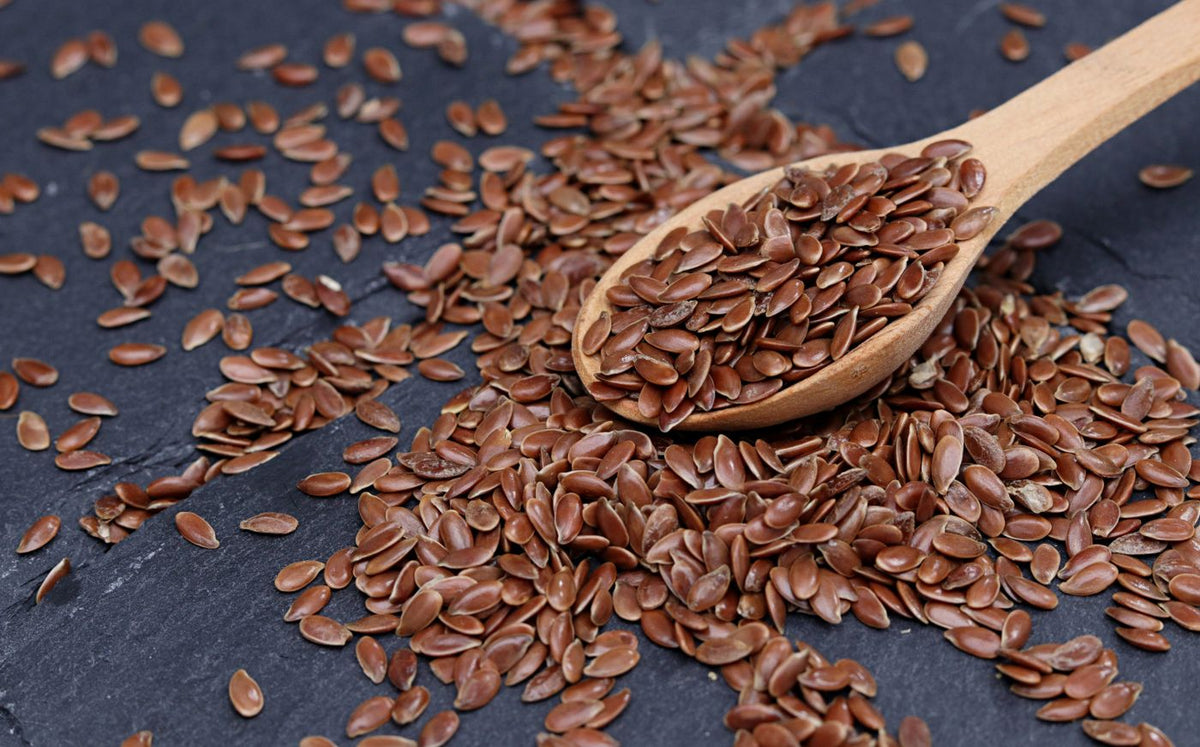
Healthy hair depends on your overall diet. A balanced diet with enough protein, iron and other nutrients is the foundation, and iron deficiency is a recognised cause of temporary hair loss. ALA is one of many nutrients in that picture, and adults need an adequate intake of about 1.1 g a day for women and 1.6 g for men (US figures from the NIH).
For vegetarians, good food sources of ALA include ground flaxseed, flaxseed oil, chia seeds and walnuts. A capsule is another option: Omegaco Flaxseed Oil Omega-3 Capsules provide 560 mg of cold-pressed flaxseed oil (an estimated ~300 mg ALA) in a plant-based vegetarian capsule. Omegaco is a dietary omega-3 supplement, not a hair product, and it is not intended to treat hair loss.
If you take flaxseed oil by mouth, keep these safety points in mind:
- Blood thinners: flaxseed oil might add to the effect of anticoagulant or antiplatelet medicines. Speak to your doctor first if you take them.
- Pregnancy and breastfeeding: little is known about the safety of flaxseed oil supplements at these times, so avoid them unless your doctor advises it.
- Digestive effects: higher doses can cause bloating, fullness or diarrhoea.
When hair loss needs a doctor
Losing some hair every day is normal. The NHS says we can lose between 50 and 100 hairs a day, often without noticing. Hair loss can be temporary, for example after an illness, stress, weight loss or with iron deficiency, or it can be permanent, as in male and female pattern hair loss.
Following NHS guidance, see a doctor if:
- your hair loss is sudden
- you develop bald patches
- you are losing hair in clumps
- your scalp also itches or burns
- you are worried about your hair loss
Also mention any other symptoms you have. The NHS lists dry hair or hair loss among the symptoms of an underactive thyroid, and iron deficiency is a recognised cause of temporary hair loss. Your doctor can decide whether you need tests, and treating the underlying cause is what helps. An oil, whether on your scalp or in a capsule, cannot replace that assessment.
For more on plant omega-3s, read why vegetarians need omega-3 and flaxseed oil vs fish oil: the nutritional differences.
Frequently asked questions
Does flaxseed oil help hair growth?
There is no good evidence that it does. No clinical trials in people have shown that flaxseed oil, applied or swallowed, increases hair growth. The few studies on flaxseed and hair growth were in animals.
Can I apply flaxseed oil directly to my scalp?
Most people can, as a pre-wash conditioning oil. Patch test first, use a small amount and wash it out. If you have dandruff, an itchy or inflamed scalp, or a skin condition, ask a doctor or dermatologist before oiling.
Is flaxseed oil better than coconut oil for hair?
No studies have compared them for hair. Both can be used as conditioning oils; choose the one your hair and scalp tolerate best.
Can flaxseed oil capsules stop hair fall?
No supplement should be relied on to stop hair fall. Flaxseed oil capsules are a source of the omega-3 fat ALA as part of your diet. If you are losing more hair than usual, see a doctor to find the cause.
How long should I use flaxseed oil on my hair?
There is no evidence-based timeline, because there is no evidence of a growth effect. If you like how it makes your hair feel, there is no set limit for occasional cosmetic use, as long as your scalp tolerates it.
References
- National Institutes of Health, Office of Dietary Supplements. Omega-3 Fatty Acids: Fact Sheet for Health Professionals. ods.od.nih.gov
- Nie Y, Wang Y, Hui J, et al. The impact of flaxseed (Linum usitatissimum L.) oil supplementation on human health: a human-centric evidence-graded approach. Nutrients. 2025;17(11):1791. doi:10.3390/nu17111791
- Neukam K, De Spirt S, Stahl W, et al. Supplementation of flaxseed oil diminishes skin sensitivity and improves skin barrier function and condition. Skin Pharmacology and Physiology. 2011;24(2):67–74. doi:10.1159/000321442
- National Center for Complementary and Integrative Health (NIH). Flaxseed and Flaxseed Oil. nccih.nih.gov
- NHS. Hair loss. nhs.uk
- nidirect (NHS Northern Ireland). Hair loss. nidirect.gov.uk
- NHS. Underactive thyroid (hypothyroidism): symptoms. nhs.uk
This article is for general education and is not medical advice. Food supplements are not intended to diagnose, treat, cure or prevent any disease. Consult a qualified healthcare professional before starting any supplement, particularly if you are pregnant, breastfeeding, have a medical condition or take medication.






