Medically reviewed by Dr. Reina Punj, MBBS, PG Diploma in Endocrinology (University of South Wales), Lead Physician, Excelgenics Clinical Panel.
Potassium rich foods in an Indian kitchen include dals and whole pulses such as rajma, toor and moong, leafy greens such as palak and chaulai, potatoes and sweet potatoes, bananas, coconut water, dry dates, tomatoes and curd. A serving of toor dal or rajma made from 30 g of dry pulses, 100 g of palak or a glass of coconut water each provides roughly 400–625 mg. ICMR-NIN advises Indian adults to aim for about 3,510 mg of potassium a day, alongside eating less salt.
This guide gives a list of potassium rich foods in India, as a potassium rich foods table with amounts per realistic portion, explains why the balance of sodium and potassium matters, lists magnesium and potassium rich foods, and sets out who needs to be careful with potassium, including people with kidney disease and those on certain blood-pressure medicines.
How much potassium do you need?
The ICMR-NIN 2020 Nutrient Requirements for Indians recommend an intake of 3,510 mg of potassium a day for adult men and women, following the World Health Organization (WHO), which suggests at least 90 mmol (3,510 mg) a day for adults. The same report sets a safe sodium intake of 2,000 mg a day, which is about 5 g of salt.
The body absorbs about 85–90% of the potassium in food, according to the US National Institutes of Health (NIH). Potassium is the main positively charged mineral inside our cells, and it has several authorised functions under EU rules:
- Potassium contributes to normal functioning of the nervous system.
- Potassium contributes to normal muscle function.
- Potassium contributes to the maintenance of normal blood pressure.
These describe what potassium does in the body. They are not a promise that any one food will change your blood pressure.
Potassium rich foods table (India)
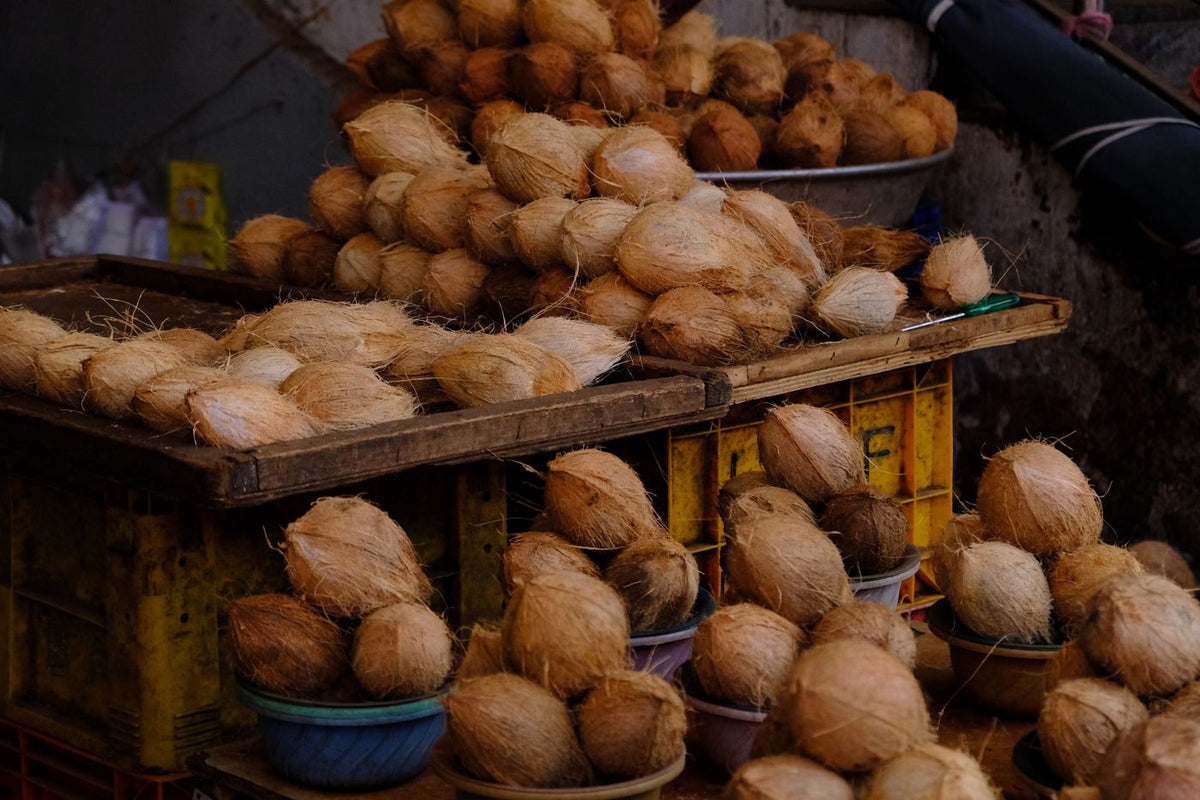
Amounts are for the raw food in the portion shown (for pulses, the dry weight before cooking). Figures come from the ICMR-NIN Indian Food Composition Tables 2017 (IFCT) unless marked USDA, and are rounded. Natural foods vary, so treat them as a guide.
| Food | Portion | Potassium (mg) |
|---|---|---|
| Pulses (30 g dry, about ½ katori once cooked and drained) | ||
| Soya beans (brown) | 30 g | 484 |
| Toor dal (arhar) | 30 g | 418 |
| Rajma (red) | 30 g | 397 |
| Moong dal (split) | 30 g | 380 |
| Lobia (cowpea) | 30 g | 372 |
| Whole moong (sabut moong) | 30 g | 353 |
| Kala chana (whole Bengal gram) | 30 g | 280 |
| Masoor dal | 30 g | 236 |
| Vegetables and greens (100 g raw) | ||
| Palak (spinach) | 100 g | 625 |
| Chaulai (green amaranth leaves) | 100 g | 572 |
| Potato (aloo) | 100 g | 474–541 |
| Sweet potato (shakarkandi) | 100 g | 329–345 |
| Tomato (tamatar), ripe | 100 g (about 1 medium) | 167–204 |
| Fruits and drinks | ||
| Coconut water (nariyal pani) | 1 glass (200 ml) | About 430 |
| Banana (kela), ripe | 100 g (about 1 medium) | 306–362, depending on variety |
| Dry dates (chuhara) | About 30 g | About 240 |
| Black raisins (kishmish) | A small handful (20 g) | About 220 |
| Dairy | ||
| Curd (dahi), whole milk | 1 katori (150 g) | About 230 (USDA) |
| Cow's milk | 1 glass (200 ml) | About 230 |
30 g of dry dal or whole pulses weighs only about 70–80 g once cooked and drained, roughly half a 150 g katori; cooked as a thin dal, the same amount is simply spread through more liquid.
Two points stand out. First, dals and whole pulses are among the most practical potassium sources for vegetarians, because most people eat them every day. Second, dry dates contain far more potassium than soft, processed dates: in the IFCT, processed dates had about 290 mg per 100 g, compared with about 780–800 mg in dry chuhara.
Sodium and potassium: why the balance matters
Sodium (mostly from salt) and potassium work as a pair in the body, and many diets are high in one and low in the other. ICMR-NIN sets the desirable dietary ratio of sodium to potassium at 1:1 (in mmol), which roughly matches 2,000 mg of sodium and 3,510 mg of potassium a day.
In practice, that means two things together: less salt, pickles, papad, namkeen and packaged snacks, and more dals, vegetables, fruit and curd. The NIH notes that the DASH eating pattern, rich in fruit, vegetables and low-fat dairy, provides about three times more potassium than the average American diet, and that it also raises magnesium and calcium intake, so the effect of potassium alone cannot be separated out.
For how magnesium fits into the picture, see how magnesium supports blood pressure and heart rhythm.
Magnesium and potassium rich foods
Many foods that are rich in potassium are also good sources of magnesium. Magnesium amounts below are the same IFCT figures used in our magnesium rich foods guide.
| Food and portion | Potassium (mg) | Magnesium (mg) |
|---|---|---|
| Chaulai leaves, 100 g raw | 572 | 194 |
| Palak, 100 g raw | 625 | 87 |
| Soya beans (brown), 30 g dry | 484 | 78 |
| Lobia, 30 g dry | 372 | 64 |
| Whole moong, 30 g dry | 353 | 59 |
| Rajma (red), 30 g dry | 397 | 52 |
| Groundnuts (moongphali), 30 g | 204 | 59 |
| Almonds (badam), about 12 (15 g) | 105 | 48 |
| Banana, 100 g | 306–362 | 30–44 |
Greens and whole pulses are the clear winners for both minerals. Magnesium also has its own authorised functions: magnesium contributes to electrolyte balance and magnesium contributes to normal muscle function.
Food comes first for both minerals. If you and your doctor decide a magnesium supplement makes sense, Magneva provides 350 mg of magnesium per vegan tablet. That equals the NIH upper limit for magnesium from supplements, so do not combine it with other magnesium supplements; people with kidney disease should take magnesium only on medical advice. It contains no potassium. Our Magnesium Supplements Guide covers forms and safety.
A sample day of potassium rich foods
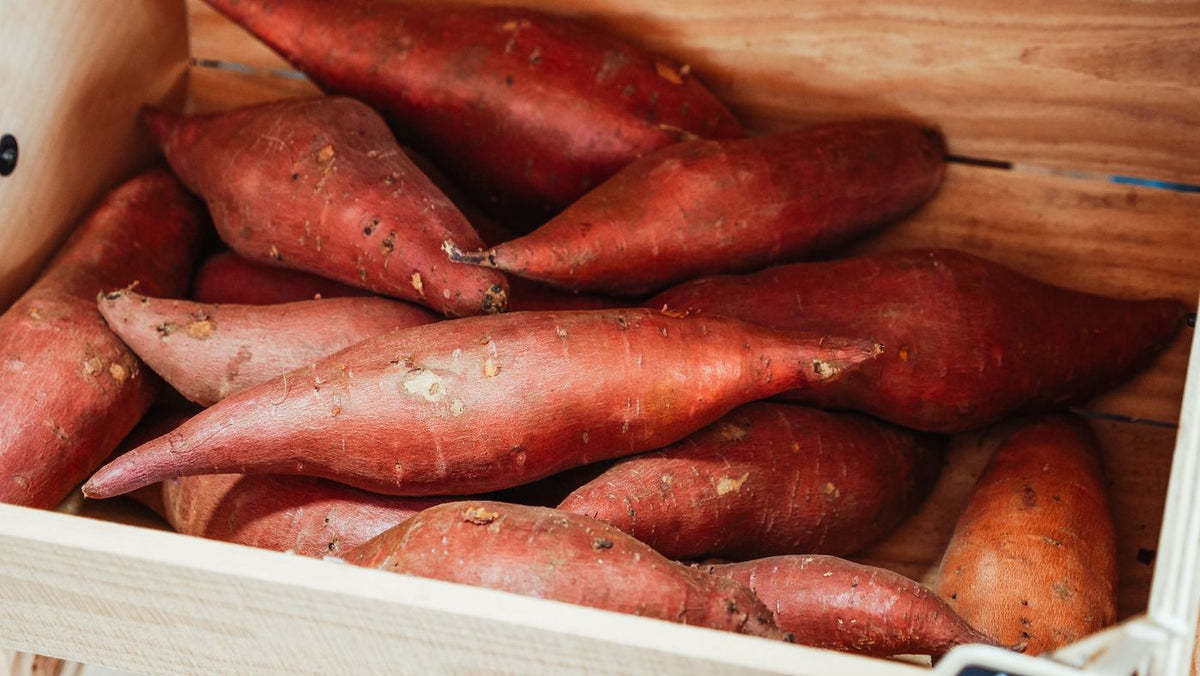
A typical Indian vegetarian day can reach the ICMR-NIN figure from food alone. This example adds up to roughly 3,500 mg using the figures above:
- Breakfast: a banana (about 330 mg) and 1 katori of curd (about 230 mg)
- Lunch: toor dal made from 30 g dry dal (about 420 mg), palak sabzi from 100 g palak (about 625 mg) and 2 rotis (about 190 mg)
- Snack: a glass of coconut water (about 430 mg) and 30 g of chuhara (about 240 mg)
- Dinner: rajma made from 30 g dry beans, about ½ katori cooked (about 400 mg), with aloo-tamatar sabzi from 100 g potato and 100 g tomato (about 690 mg)
Who needs to be careful with potassium?
For most healthy adults, potassium from food is safe because the kidneys remove any extra. Some people, however, cannot clear potassium normally, and too much in the blood (hyperkalaemia) can cause muscle weakness and dangerous heart-rhythm problems. Speak to your doctor before increasing potassium rich foods, and before using any potassium supplement, if you:
- Have chronic kidney disease. The NIH notes that when the kidneys cannot excrete potassium normally, even intakes below the usual recommendation can raise blood potassium. Your doctor or dietitian may set a personal limit.
- Take certain blood-pressure or heart medicines. ACE inhibitors (such as ramipril or enalapril) and angiotensin receptor blockers or ARBs (such as losartan or telmisartan) reduce the amount of potassium the kidneys remove. Potassium-sparing diuretics (such as spironolactone or amiloride) can also raise blood potassium. Some other diuretics (loop and thiazide types) do the opposite and can lower it.
- Use a low-sodium salt or salt substitute. These often replace part of the sodium chloride with potassium chloride. The WHO suggests such salts for healthy adults but excludes people with kidney problems or other conditions that affect how the body removes potassium. If you have kidney disease or take the medicines above, ask your doctor before switching.
Never stop or change a prescribed medicine on your own because of something you have read about diet.
Frequently asked questions
Which food is highest in potassium?
Per everyday Indian portion, a bowl of palak or chaulai (about 570–625 mg per 100 g raw), a potato (about 470–540 mg per 100 g), a 30 g (dry) serving of soya, toor dal or rajma (about 400–480 mg) and a glass of coconut water (about 430 mg) are among the biggest contributors.
Are bananas the richest source of potassium?
Bananas are a good source, at about 310–360 mg per medium banana in the IFCT, but not the richest. A 30 g (dry) serving of toor dal or rajma, 100 g of palak, a potato or a glass of coconut water provides as much or more.
Which fruits are rich in potassium?
Banana, dry dates, black raisins and coconut water are the richest common choices in the IFCT. Guava, orange and papaya provide less, at roughly 160–280 mg per 100 g.
Can I take a potassium supplement?
Only if your doctor advises it. Food is the safest way to raise potassium, and supplements can be risky for people with kidney disease or those taking the medicines listed above.
References
- Longvah T, Ananthan R, Bhaskarachary K, Venkaiah K. Indian Food Composition Tables 2017. National Institute of Nutrition (ICMR), Hyderabad. nin.res.in
- ICMR-National Institute of Nutrition. Nutrient Requirements for Indians: Recommended Dietary Allowances and Estimated Average Requirements. 2020. nin.res.in
- World Health Organization. Guideline: Potassium intake for adults and children. Geneva: WHO; 2012. who.int
- World Health Organization. Use of lower-sodium salt substitutes: WHO guideline. Geneva: WHO; 2025. who.int
- National Institutes of Health, Office of Dietary Supplements. Potassium: Fact Sheet for Health Professionals. ods.od.nih.gov
- U.S. Department of Agriculture, Agricultural Research Service. FoodData Central: Yogurt, plain, whole milk (FDC ID 171284). fdc.nal.usda.gov
- European Commission. Commission Regulation (EU) No 432/2012 establishing a list of permitted health claims made on foods. eur-lex.europa.eu
This article is for general education and is not medical advice. Food supplements are not intended to diagnose, treat, cure or prevent any disease. Consult a qualified healthcare professional before starting any supplement, particularly if you are pregnant, breastfeeding, have a medical condition or take medication.