Medically reviewed by Dr. Reina Punj, MBBS, PG Diploma in Endocrinology (University of South Wales), Lead Physician, Excelgenics Clinical Panel.
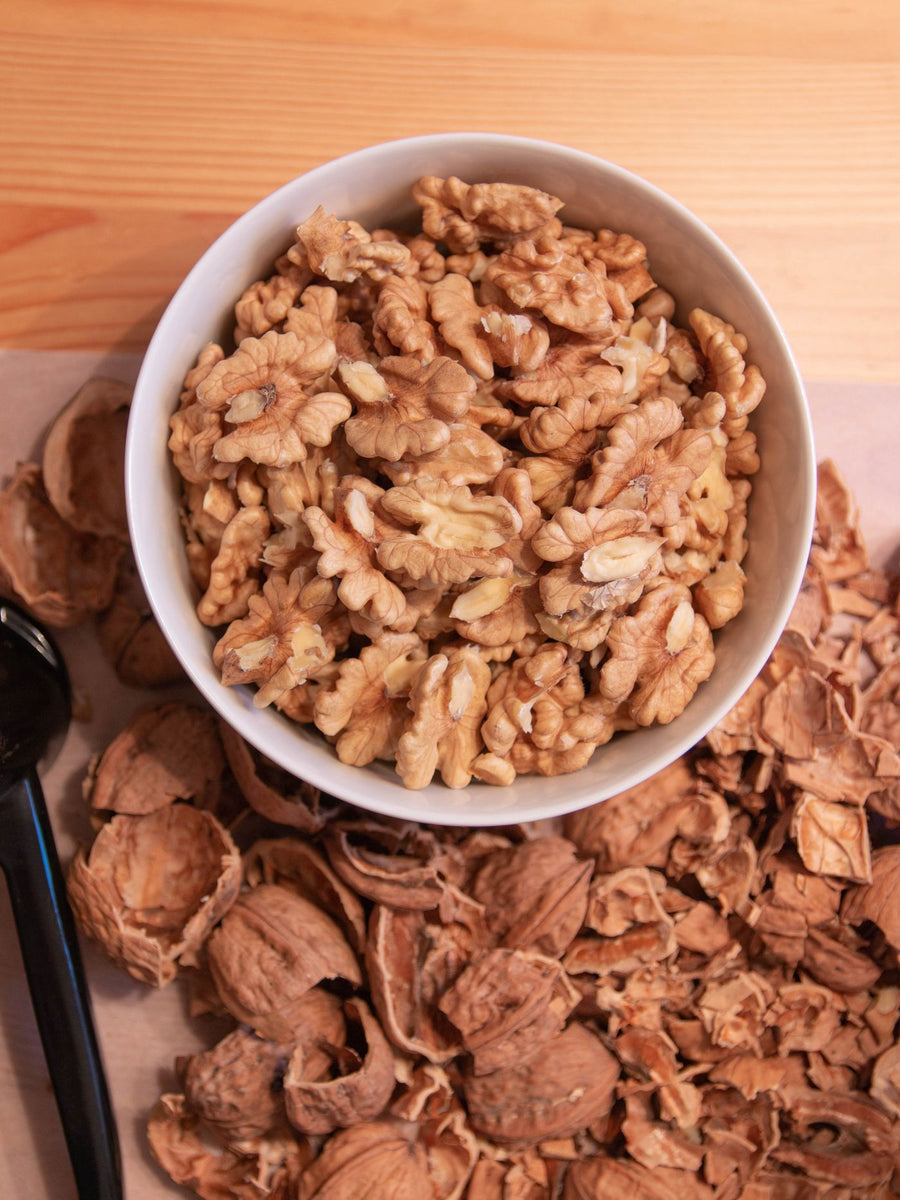
The main walnut benefits come from their fats: a small handful of walnuts (akhrot), about 28 g or 14 halves, provides roughly 2.6 g of ALA, the plant omega-3 fat. That is far more than almonds, which contain almost none, and more than the US daily adequate intake for adults. Walnuts also carry an authorised EU health claim: walnuts contribute to the improvement of the elasticity of blood vessels, an effect obtained with 30 g of walnuts a day.
This guide covers walnut nutrition per 28 g, what research on walnuts and heart health actually shows, the benefits of walnuts for men and women in terms of nutrient needs, whether soaked walnuts are better, how walnuts compare with almonds, and who should avoid them.
Walnut nutrition per 28 g
Figures are for shelled English walnuts from USDA FoodData Central, per 100 g and per 28 g (1 ounce, about 14 halves). Values vary with variety and season, so treat them as a guide.
| Nutrient | Per 100 g | Per 28 g (about 14 halves) |
|---|---|---|
| Energy | 654 kcal | About 185 kcal |
| Total fat | 65.2 g | 18.5 g |
| Polyunsaturated fat | 47.2 g | 13.4 g |
| ALA (omega-3) | 9.1 g | 2.6 g |
| Linoleic acid (omega-6) | 38.1 g | 10.8 g |
| Saturated fat | 6.1 g | 1.7 g |
| Protein | 15.2 g | 4.3 g |
| Fibre | 6.7 g | 1.9 g |
| Magnesium | 158 mg | 45 mg |
| Potassium | 441 mg | 125 mg |
| Copper | 1.6 mg | 0.45 mg |
| Manganese | 3.4 mg | 0.97 mg |
| Folate | 98 µg | 28 µg |
Two things stand out. Walnuts are mostly polyunsaturated fat, unlike almonds, cashews or groundnuts, and they are rich in calories, at about 185 kcal per handful. Walnuts contain no EPA or DHA, the omega-3s found in fish.
The US adequate intake for ALA is 1.1 g a day for adult women and 1.6 g for adult men, so 28 g of walnuts covers it on its own. For more plant omega-3 options, see our omega 3 rich foods list, and for how walnuts fit alongside cooking oils, read omega 3 vs omega 6.
Walnut benefits for heart health: what the research shows
Walnuts have been tested in a number of controlled trials of heart-health markers, and the findings are consistent but modest.
- The EU-authorised claim. Walnuts contribute to the improvement of the elasticity of blood vessels. The claim may be used only for food that provides a daily intake of 30 g of walnuts, and the beneficial effect is obtained with that daily 30 g.
- ALA. Because 30 g of walnuts provides more than 2 g of ALA, a second EU wording also applies: ALA contributes to the maintenance of normal blood cholesterol levels. The beneficial effect is obtained with a daily intake of 2 g of ALA.
- Blood fats. A 2018 meta-analysis of 26 controlled trials with 1,059 participants found that walnut-enriched diets lowered total cholesterol by about 7 mg/dL and LDL cholesterol by about 5.5 mg/dL more than control diets, a difference of roughly 3–4%. Triglycerides also fell slightly. Body weight and blood pressure did not change significantly.
- Long-term trial. In the two-year Walnuts and Healthy Aging (WAHA) trial in Spain and the US, 708 healthy older adults were randomised to add 30–60 g of walnuts a day or to avoid walnuts. Among the 636 who completed it, LDL cholesterol fell by an average of 4.3 mg/dL (3.6%) in the walnut group. The trial was funded by the California Walnut Commission, participants were not blinded, and the investigators described the reduction as modest.
Put simply, walnuts eaten in place of less healthy snacks can be a sensible part of a heart-friendly diet. These studies measured blood markers, not heart attacks, and a handful of walnuts is not a treatment. If you have high cholesterol or blood pressure, follow your doctor's advice.
Benefits of walnuts for men and women
Searches for walnut benefits for men and benefits of walnuts for women usually look for something specific to each sex. There is no separate men's or women's version of walnut nutrition; the useful differences are in nutrient needs:
- Men: the ALA adequate intake is 1.6 g a day, and 28 g of walnuts provides about 2.6 g.
- Women: the ALA adequate intake is 1.1 g a day, rising to 1.4 g in pregnancy and 1.3 g when breastfeeding. A smaller portion of walnuts covers it.
Walnuts are not a treatment for hormonal, fertility, hair or skin problems. Eat them as a nutritious food, whether you are a man or a woman.
Soaked walnut benefits: is soaking better?
Soaking walnuts overnight is a common Indian habit, often said to improve digestion or "unlock" nutrients. The evidence does not support this. A 2020 study from New Zealand tested almonds, hazelnuts, peanuts and walnuts, whole and chopped, after soaking for up to 12 hours in water or a salt solution. Soaking changed phytate (a compound that can reduce mineral absorption) by only −12% to +10%, did not improve phytate-to-mineral ratios, and lowered mineral content, especially in chopped nuts. The authors concluded that the research does not support claims that "activating" nuts improves nutrient bioavailability.
If you prefer the softer texture or milder taste of soaked walnuts, there is no harm in it. Just do not expect extra nutrition from soaking.
How many walnuts a day, and how to eat them
About 28–30 g a day, roughly 14 halves or 7 whole walnuts, matches the amount used in the EU claim and many studies. ICMR-NIN's "My Plate for the Day" suggests about 30 g of nuts and seeds a day in total on a 2,000 kcal diet, so walnuts can share that space with groundnuts, almonds or seeds.
- Eat them plain as a snack instead of fried namkeen or biscuits.
- Chop them into poha, upma, oats, curd or fruit chaat.
- Add them to salads or grind them into chutney.
- Choose plain, unsalted walnuts; coated or sweetened walnuts add sugar and salt.
- Because walnuts are calorie-dense, eat them in place of another snack rather than on top of your usual diet.
Almonds vs walnuts
Almonds and walnuts are both nutritious, and they suit different purposes. Per 28 g (USDA):
| Per 28 g | Walnuts (akhrot) | Almonds (badam) |
|---|---|---|
| Energy | About 185 kcal | About 164 kcal |
| ALA (omega-3) | 2.6 g | Almost none |
| Main type of fat | Polyunsaturated (13.4 g) | Monounsaturated (8.9 g) |
| Protein | 4.3 g | 6.0 g |
| Fibre | 1.9 g | 3.5 g |
| Vitamin E | 0.2 mg | 7.3 mg |
| Magnesium | 45 mg | 77 mg |
| Calcium | 28 mg | 76 mg |
Choose walnuts for plant omega-3, and almonds for vitamin E, protein, fibre, magnesium and calcium. Many people simply eat a few of each within a 30 g daily handful.
Walnut allergy and safety
- Tree nut allergy: walnuts are tree nuts, which are among the foods most often linked to anaphylaxis, a severe allergic reaction. Tree nut allergy usually lasts for life. Between 25% and 40% of people with peanut allergy also react to at least one tree nut. If you have ever reacted to any nut, avoid walnuts and see an allergist.
- Calories: 28 g provides about 185 kcal, so large daily amounts add up quickly.
- Young children: the NHS advises that whole nuts should not be given to children under 5 because of the risk of choking. Crush or grind walnuts and add them to food instead.
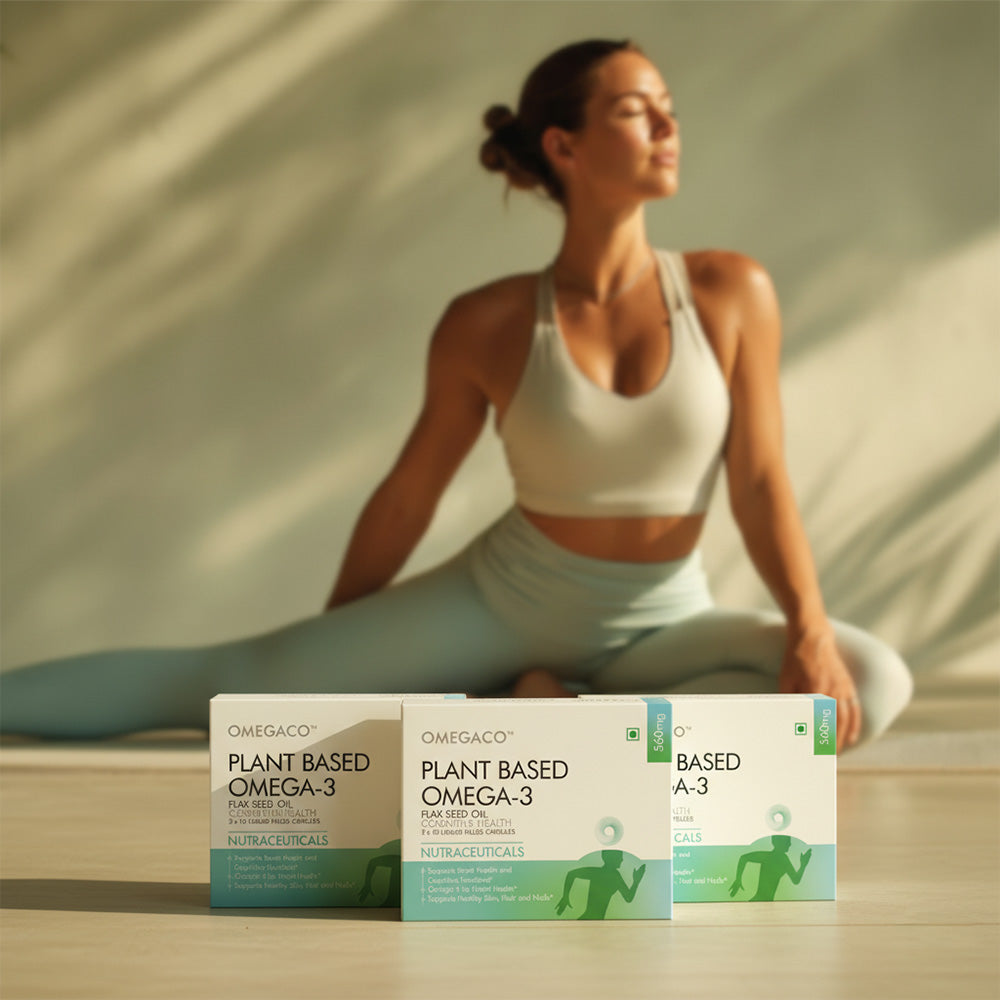
If you do not eat walnuts or other ALA foods regularly, a flaxseed oil capsule is one option. Omegaco is a flaxseed oil capsule, not a walnut product: it provides 560 mg of cold-pressed flaxseed oil (an estimated ~300 mg ALA) per capsule, with no EPA or DHA. Speak to your doctor first if you take blood-thinning medicines or are pregnant or breastfeeding. Our Vegan Omega-3 Supplements Guide compares the options.
Frequently asked questions
How many walnuts should I eat a day?
About 28–30 g, roughly 14 halves or 7 whole walnuts. That is the amount linked to the EU blood-vessel claim and provides about 2.6 g of ALA.
Are soaked walnuts better than raw walnuts?
Not nutritionally. A 2020 study found that soaking changed phytate only slightly, did not improve phytate-to-mineral ratios and lowered mineral content in walnuts and other nuts. Soak them only if you prefer the texture.
When is the right time to eat walnuts?
There is no special time. What matters is the amount you eat over the day, so have them whenever they replace a less nutritious snack.
Which is better, walnuts or almonds?
Neither is better overall. Walnuts are far richer in plant omega-3, while almonds provide more vitamin E, protein, fibre and calcium. Compare plant omega-3 seeds in our chia seeds vs flax seeds guide.
References
- U.S. Department of Agriculture, Agricultural Research Service. FoodData Central: Nuts, walnuts, english (FDC ID 170187) and Nuts, almonds (FDC ID 170567). fdc.nal.usda.gov
- National Institutes of Health, Office of Dietary Supplements. Omega-3 Fatty Acids: Fact Sheet for Health Professionals. ods.od.nih.gov
- European Commission. Commission Regulation (EU) No 432/2012 establishing a list of permitted health claims made on foods. eur-lex.europa.eu
- Guasch-Ferré M, Li J, Hu FB, Salas-Salvadó J, Tobias DK. Effects of walnut consumption on blood lipids and other cardiovascular risk factors: an updated meta-analysis and systematic review of controlled trials. American Journal of Clinical Nutrition. 2018;108(1):174–187. doi:10.1093/ajcn/nqy091
- Rajaram S, Cofán M, Sala-Vila A, et al. Effects of walnut consumption for 2 years on lipoprotein subclasses among healthy elders: findings from the WAHA randomized controlled trial. Circulation. 2021;144(13):1083–1085. doi:10.1161/CIRCULATIONAHA.121.054051
- Kumari S, Gray AR, Webster K, et al. Does 'activating' nuts affect nutrient bioavailability? Food Chemistry. 2020;319:126529. doi:10.1016/j.foodchem.2020.126529
- Hemalatha R, Laxmaiah A, Sriswan MR, Boiroju NK, Radhakrishna KV. What India Eats. ICMR-National Institute of Nutrition. nin.res.in
- NHS. Foods to avoid giving babies and young children. nhs.uk
- American College of Allergy, Asthma and Immunology. Tree nut allergy. acaai.org
This article is for general education and is not medical advice. Food supplements are not intended to diagnose, treat, cure or prevent any disease. Consult a qualified healthcare professional before starting any supplement, particularly if you are pregnant, breastfeeding, have a medical condition or take medication.