

Medically reviewed by Dr. Reina Punj, MBBS, PG Diploma in Endocrinology (University of South Wales), Lead Physician, Excelgenics Clinical Panel.
The main sunflower seeds benefits come from their vitamin E: a small handful (about 28 g) of sunflower seeds (surajmukhi ke beej) provides roughly 7–10 mg of vitamin E, about half or more of the 15 mg a day recommended for adults in the US. The same handful also adds vitamin B6, magnesium and selenium. Like all seeds they are calorie-dense, at about 164 kcal per 28 g, so it makes sense to measure your portion.
This guide gives sunflower seeds nutrition per 28 g, explains what vitamin E does, compares pumpkin seeds vs sunflower seeds, and covers the benefits of eating sunflower seeds raw or roasted, including the salt question.
Sunflower seeds nutrition per 28 g
Figures are for shelled, dried sunflower seed kernels from USDA FoodData Central, with dry-roasted kernels alongside. The last column compares the raw amount with Indian (ICMR-NIN 2020) RDAs where they exist, and with US recommended amounts for vitamin E and selenium, which the ICMR-NIN 2020 summary does not list.
| Nutrient | Raw kernels, per 28 g | Dry-roasted, per 28 g | Share of daily need (raw) |
|---|---|---|---|
| Energy | 164 kcal | 163 kcal | – |
| Protein | 5.8 g | 5.4 g | – |
| Total fat | 14.4 g | 13.9 g | – |
| Fibre | 2.4 g | 3.1 g | – |
| Vitamin E (alpha-tocopherol) | 9.9 mg | 7.4 mg | About 66% of the US RDA (15 mg) |
| Vitamin B6 | 0.38 mg | 0.22 mg | About 16% (men) and 20% (women) of the ICMR-NIN RDA |
| Magnesium | 91 mg | 36 mg | About 21% (men) and 25% (women) of the ICMR-NIN RDA |
| Selenium | 15 µg | 22 µg | About 27% of the US RDA (55 µg) |
Values are calculated from USDA figures per 100 g and rounded; the dry-roasted vitamin E figure matches the NIH Office of Dietary Supplements. Values vary between samples: the Indian Food Composition Tables (IFCT 2017) list more magnesium in sunflower seeds (413 mg per 100 g, or about 116 mg per 28 g) than USDA does, and the selenium content of plant foods depends on the soil they were grown in. Treat all figures as a guide.
About 23 g of the fat per 100 g is polyunsaturated, almost all of it omega-6 linoleic acid. Sunflower seeds contain very little omega-3.
Sunflower seeds benefits: what the nutrients do
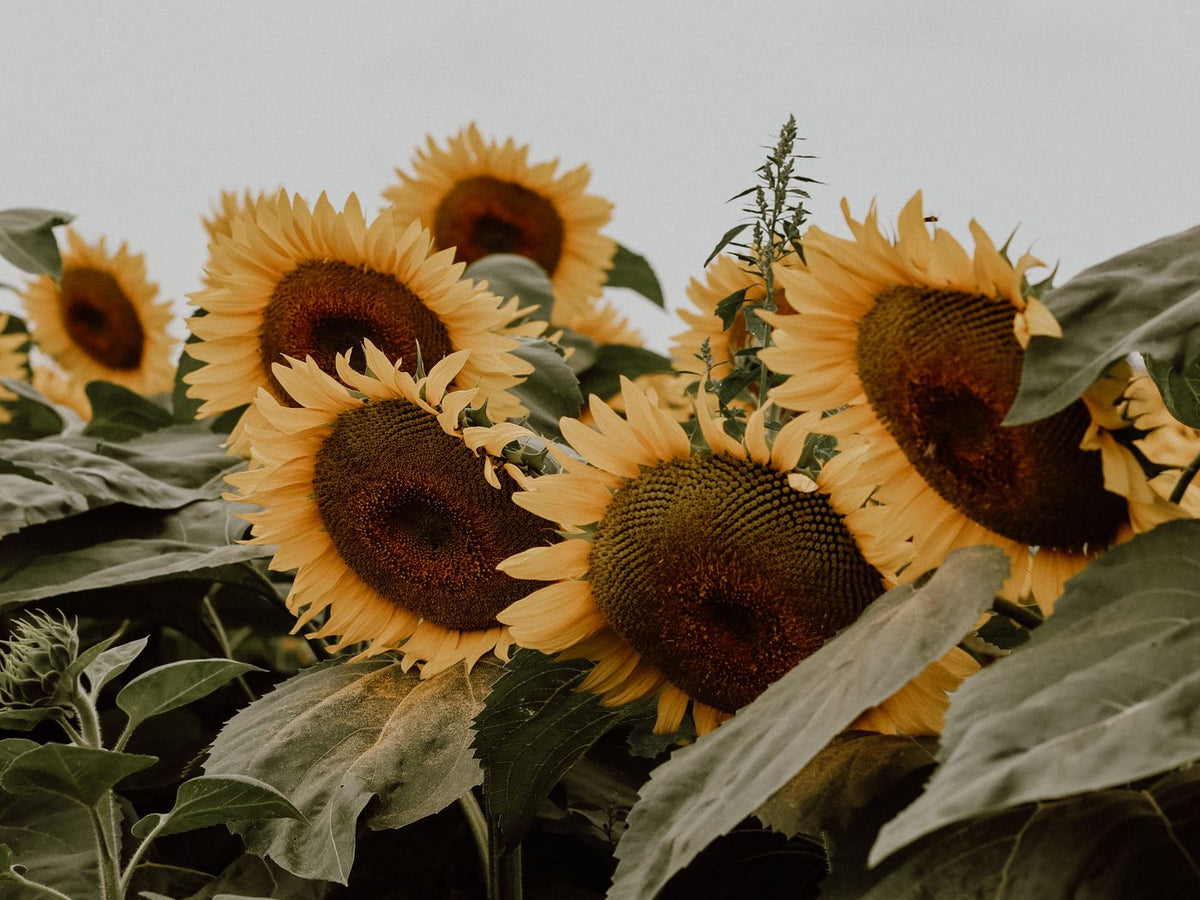
Sunflower seeds are a rich source of several nutrients with EU-authorised functions:
- Vitamin E contributes to the protection of cells from oxidative stress. Sunflower seeds are among the richest everyday food sources of vitamin E.
- Selenium contributes to the protection of cells from oxidative stress and selenium contributes to the normal function of the immune system.
- Vitamin B6 contributes to the reduction of tiredness and fatigue and vitamin B6 contributes to normal psychological function.
- Magnesium contributes to normal muscle function and magnesium contributes to normal functioning of the nervous system.
For more vitamin E and other antioxidant foods, see antioxidant rich foods. For B6, see vitamin B6 rich foods.
Sunflower seeds benefits for skin
Vitamin E is often linked with skin because of its role in protecting cells from oxidative stress. That is a description of what the nutrient does, not evidence that eating sunflower seeds will change how your skin looks. Skin also relies on other nutrients, such as zinc, which contributes to the maintenance of normal skin; see zinc rich foods. You can browse the skin and beauty range.
Sunflower seeds benefits for female and male readers
The seeds are the same for everyone; needs differ slightly. Vitamin E requirements are the same for adult men and women in the US recommendations. Men have higher ICMR-NIN 2020 RDAs for magnesium (440 mg compared with 370 mg) and vitamin B6 (2.4 mg compared with 1.9 mg), so a handful covers a slightly smaller share for men. Claims about seeds and hormones are not a reason to eat them.
Pumpkin seeds vs sunflower seeds
People often search for pumpkin seeds and sunflower seeds benefits together, and the two complement each other. Per 28 g of dried kernels (USDA):
| Per 28 g | Pumpkin seeds (kaddu ke beej) | Sunflower seeds (surajmukhi ke beej) |
|---|---|---|
| Energy | 157 kcal | 164 kcal |
| Protein | 8.5 g | 5.8 g |
| Fibre | 1.7 g | 2.4 g |
| Magnesium | 166 mg | 91 mg |
| Zinc | 2.2 mg | 1.4 mg |
| Iron | 2.5 mg | 1.5 mg |
| Vitamin E | 0.6 mg | 9.9 mg |
| Vitamin B6 | 0.04 mg | 0.38 mg |
| Selenium | 2.6 µg | 15 µg |
In short, pumpkin seeds lead on magnesium, zinc, iron and protein, while sunflower seeds lead on vitamin E, vitamin B6 and selenium. Calories are almost identical. A mix of the two gives you the strengths of both. Read more in our pumpkin seeds benefits guide.
Eating sunflower seeds: raw, roasted and salted
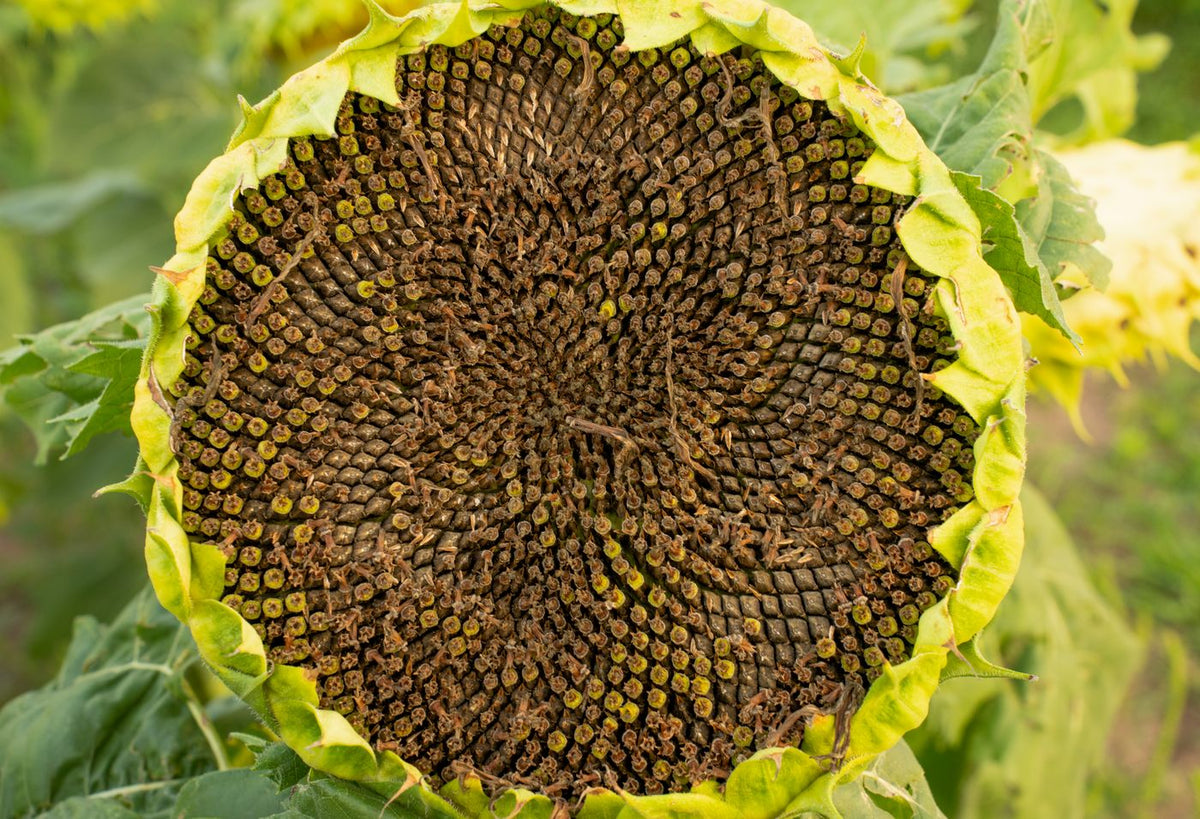
Roasted sunflower seeds benefits
Dry-roasted seeds keep most of their vitamin E (7.4 mg per 28 g compared with 9.9 mg raw in USDA data) and taste nuttier. To roast at home, toast raw kernels in a dry kadhai on low heat, stirring, until lightly golden, then cool and store in an airtight jar.
Salted seeds and sodium
Unsalted kernels contain almost no sodium. Salted dry-roasted kernels contain about 655 mg of sodium per 100 g, or about 180 mg per 28 g. That is close to a tenth of the World Health Organization's limit of less than 2,000 mg of sodium (5 g of salt) a day. Salted seeds roasted in the shell, a common travel snack, are listed by USDA with about nine times as much sodium per 100 g of kernels. Choose unsalted or lightly salted packs and read the label.
Ways to eat them
- Sprinkle a spoonful on poha, upma, salads, raita or bhel.
- Add to a homemade seed mix with pumpkin seeds, flax seeds (alsi) and a few almonds.
- Stir into chikki, laddoo or granola, keeping the sugar modest.
How much to eat
ICMR-NIN's "My Plate for the Day" suggests about 30 g of nuts and seeds a day in total on a 2,000 kcal diet. A 28 g handful of sunflower seeds uses most of that, so if you eat other nuts too, 1 to 2 tbsp (about 10–20 g) is a sensible daily amount.
Safety
- Calories: about 164 kcal per 28 g. Measure portions instead of snacking straight from the packet.
- Allergy: sunflower seed allergy is possible, and reactions range from mild to severe. Avoid the seeds if you have a known seed allergy.
- Salt: keep salted varieties occasional, especially if you have been advised to limit salt.
Frequently asked questions
Can I eat sunflower seeds every day?
Yes, a small daily portion fits well in a varied diet. Keep within about 30 g of nuts and seeds in total a day and prefer unsalted seeds.
Are roasted sunflower seeds as healthy as raw ones?
They are close. In USDA data, dry-roasted seeds have somewhat less vitamin E than raw, but they remain a rich source. The bigger difference is usually the added salt or oil.
Which is better, pumpkin seeds or sunflower seeds?
Neither is better overall. Pumpkin seeds give more magnesium, zinc and protein; sunflower seeds give more vitamin E, B6 and selenium. Eating both is a simple way to get the benefits of each.
Do sunflower seeds contain omega-3?
Very little: about 0.06 g of plant omega-3 (ALA) per 100 g in USDA data. Their fat is mainly omega-6 linoleic acid. For omega-3, look to flax seeds, chia seeds and walnuts.
References
- ICMR-National Institute of Nutrition. A brief note on nutrient requirements for Indians, the Recommended Dietary Allowances (RDA) and the Estimated Average Requirements (EAR). 2020. nin.res.in
- Hemalatha R, Laxmaiah A, Sriswan MR, Boiroju NK, Radhakrishna KV. What India Eats. ICMR-National Institute of Nutrition. nin.res.in
- Longvah T, Ananthan R, Bhaskarachary K, Venkaiah K. Indian Food Composition Tables 2017. ICMR-National Institute of Nutrition. nin.res.in
- U.S. Department of Agriculture, Agricultural Research Service. FoodData Central: sunflower seed kernels, dried (FDC ID 170562), dry roasted without salt (170563) and with salt added (169418). fdc.nal.usda.gov
- NIH Office of Dietary Supplements. Vitamin E: Fact Sheet for Health Professionals. ods.od.nih.gov
- NIH Office of Dietary Supplements. Selenium: Fact Sheet for Health Professionals. ods.od.nih.gov
- World Health Organization. Salt reduction: fact sheet. who.int
- Australasian Society of Clinical Immunology and Allergy (ASCIA). Seed allergy: fast facts. allergy.org.au
- European Commission. Commission Regulation (EU) No 432/2012 establishing a list of permitted health claims made on foods. eur-lex.europa.eu
This article is for general education and is not medical advice. Food supplements are not intended to diagnose, treat, cure or prevent any disease. Consult a qualified healthcare professional before starting any supplement, particularly if you are pregnant, breastfeeding, have a medical condition or take medication.






