

Medically reviewed by Dr. Reina Punj, MBBS, PG Diploma in Endocrinology (University of South Wales), Lead Physician, Excelgenics Clinical Panel.
Vitamin E rich foods are mainly seeds, nuts and vegetable oils. In India, the main everyday sources are sunflower seeds (surajmukhi ke beej), almonds (badam), sunflower and safflower oil, and peanuts (moongphali); hazelnuts are also rich. A small handful (about 28 g) of sunflower seeds or almonds gives roughly 7–10 mg, which is close to the whole daily amount ICMR-NIN suggests for Indian adults. Leafy greens such as spinach (palak) and fruits such as mango, kiwi and avocado add smaller amounts.
This guide lists vitamin E rich foods in India per realistic portion, how much you need, which fruits contain vitamin E, and what to know about supplements.
What vitamin E does
Vitamin E is the name for a group of eight fat-soluble compounds (four tocopherols and four tocotrienols). Only one of them, alpha-tocopherol, is recognised as meeting human requirements, so food tables and requirements are given as alpha-tocopherol.
Its main role is as an antioxidant in cell membranes. Under EU-authorised wording, vitamin E contributes to the protection of cells from oxidative stress. For how vitamin E fits alongside vitamin C, carotenoids and polyphenols, see our guide to antioxidant rich foods.
How much vitamin E do you need?
Requirements are set differently in India, the US and Europe:
- India (ICMR-NIN 2020): the requirement is linked to how much essential fatty acids (a type of polyunsaturated fat) you eat. ICMR-NIN suggests 0.8 mg of alpha-tocopherol per gram of dietary essential fatty acids, which "roughly works out to 7.5–10 mg tocopherol per day", depending on the edible oil used.
- US (National Institutes of Health): the recommended dietary allowance is 15 mg a day for adult men and women.
- Europe (EFSA): the adequate intake is 13 mg a day for men and 11 mg a day for women.
The table below shows each portion as a share of 10 mg (the upper end of the ICMR-NIN estimate) and of the US 15 mg, so you can see both.
Vitamin E rich foods in India: table per portion
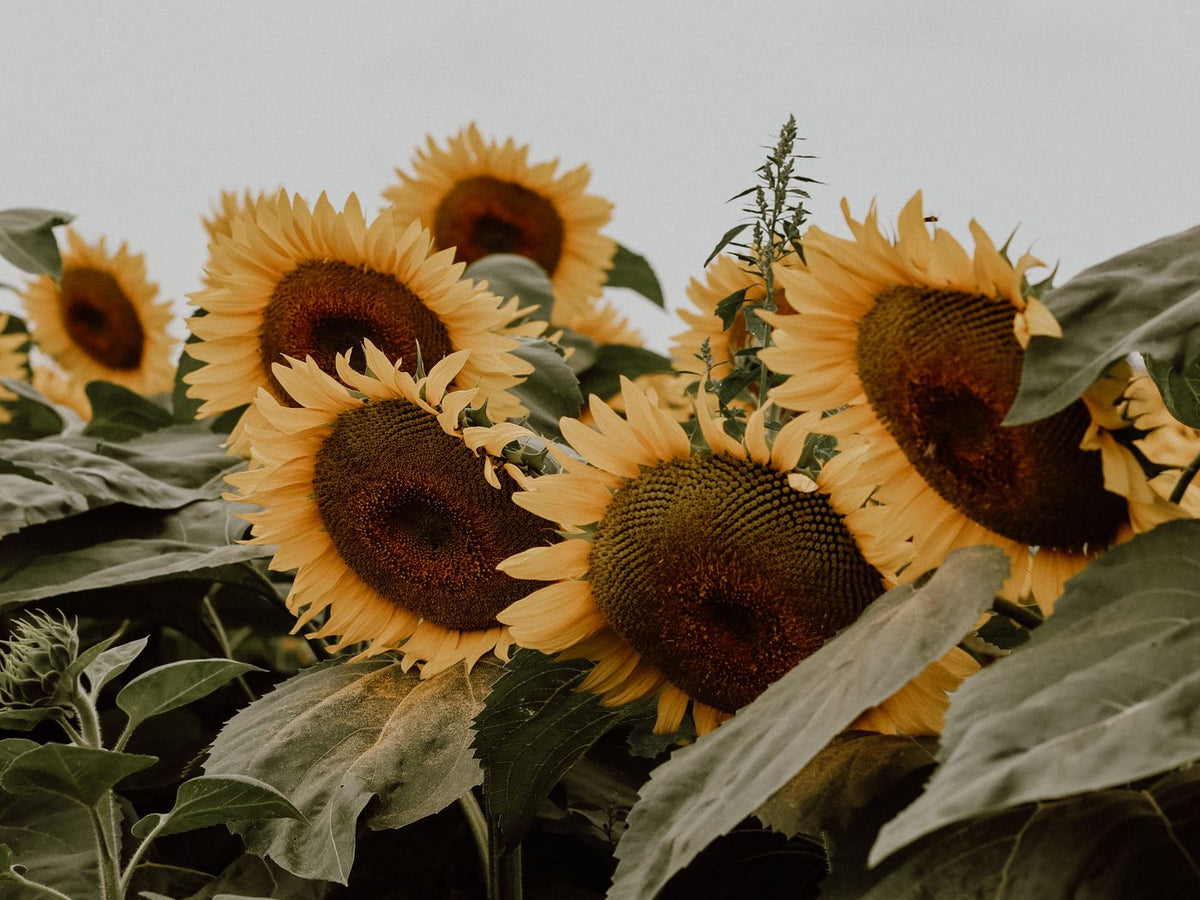
Amounts are alpha-tocopherol. Most come from the NIH Office of Dietary Supplements food table; raw sunflower seeds, raw almonds and avocado are calculated from USDA data. Values vary between samples, so treat them as a guide.
| Food | Portion | Vitamin E (mg) | % of 10 mg (ICMR-NIN upper estimate) | % of 15 mg (US RDA) |
|---|---|---|---|---|
| Sunflower seeds (surajmukhi ke beej), raw kernels | 28 g (a small handful) | 9.9 | 99% | 66% |
| Sunflower seeds, dry-roasted | 28 g | 7.4 | 74% | 49% |
| Almonds (badam), raw | 28 g (a small handful) | 7.3 | 73% | 49% |
| Almonds, dry-roasted | 28 g | 6.8 | 68% | 45% |
| Hazelnuts, dry-roasted | 28 g | 4.3 | 43% | 29% |
| Peanuts (moongphali), dry-roasted | 28 g | 2.2 | 22% | 15% |
| Peanut butter | 2 tbsp | 2.9 | 29% | 19% |
| Wheat germ oil | 1 tbsp | 20.3 | 203% | 135% |
| Sunflower oil | 1 tbsp | 5.6 | 56% | 37% |
| Safflower oil (kusum / kardai oil) | 1 tbsp | 4.6 | 46% | 31% |
| Corn oil | 1 tbsp | 1.9 | 19% | 13% |
| Soybean oil | 1 tbsp | 1.1 | 11% | 7% |
| Spinach (palak), boiled | ½ cup | 1.9 | 19% | 13% |
| Spinach, raw | 1 cup | 0.6 | 6% | 4% |
| Broccoli, boiled | ½ cup, chopped | 1.2 | 12% | 8% |
| Avocado (butter fruit) | 1 cup cubes (150 g) | 3.1 | 31% | 21% |
| Kiwi | 1 medium | 1.1 | 11% | 7% |
| Mango (aam), sliced | ½ cup | 0.7 | 7% | 5% |
| Tomato (tamatar), raw | 1 medium | 0.7 | 7% | 5% |
A single handful of sunflower seeds or almonds does most of the work. The oil you cook with also matters: a tablespoon of sunflower or safflower oil gives several times more vitamin E than soybean or corn oil. Wheat germ oil is a speciality oil, not an everyday cooking fat.
For more on the seeds at the top of the list, read sunflower seeds benefits.
Vitamin E rich foods and fruits
Fruits contain some vitamin E, but much less than seeds and nuts. In the table above, a medium kiwi gives about 1.1 mg and half a cup of sliced mango about 0.7 mg. Avocado is the richest of these, at about 3.1 mg per cup of cubes, though it is still well below a handful of almonds.
The simplest approach is to pair fruit with a few almonds or a spoonful of sunflower seeds, for example mango on curd with seeds, or fruit chaat topped with chopped badam.
Easy ways to add vitamin E rich foods to an Indian diet
- Keep a measured seed and nut mix: sunflower seeds, almonds and a few peanuts. A 28 g handful is a sensible daily portion.
- Sprinkle seeds on poha, upma, raita, salads or bhel.
- Use a little sunflower or safflower oil for some of your cooking if you normally use an oil with less vitamin E. Keep the total amount of oil moderate.
- Add palak to dal, sabzi or paratha dough; it adds vitamin E along with other nutrients.
Seeds and nuts are calorie-dense (a 28 g handful of sunflower seeds is about 164 kcal), so measure your portion. ICMR-NIN's "My Plate for the Day" suggests about 30 g of nuts and seeds a day in total on a 2,000 kcal diet. Avoid any nut or seed you are allergic to.
Vitamin E and skin
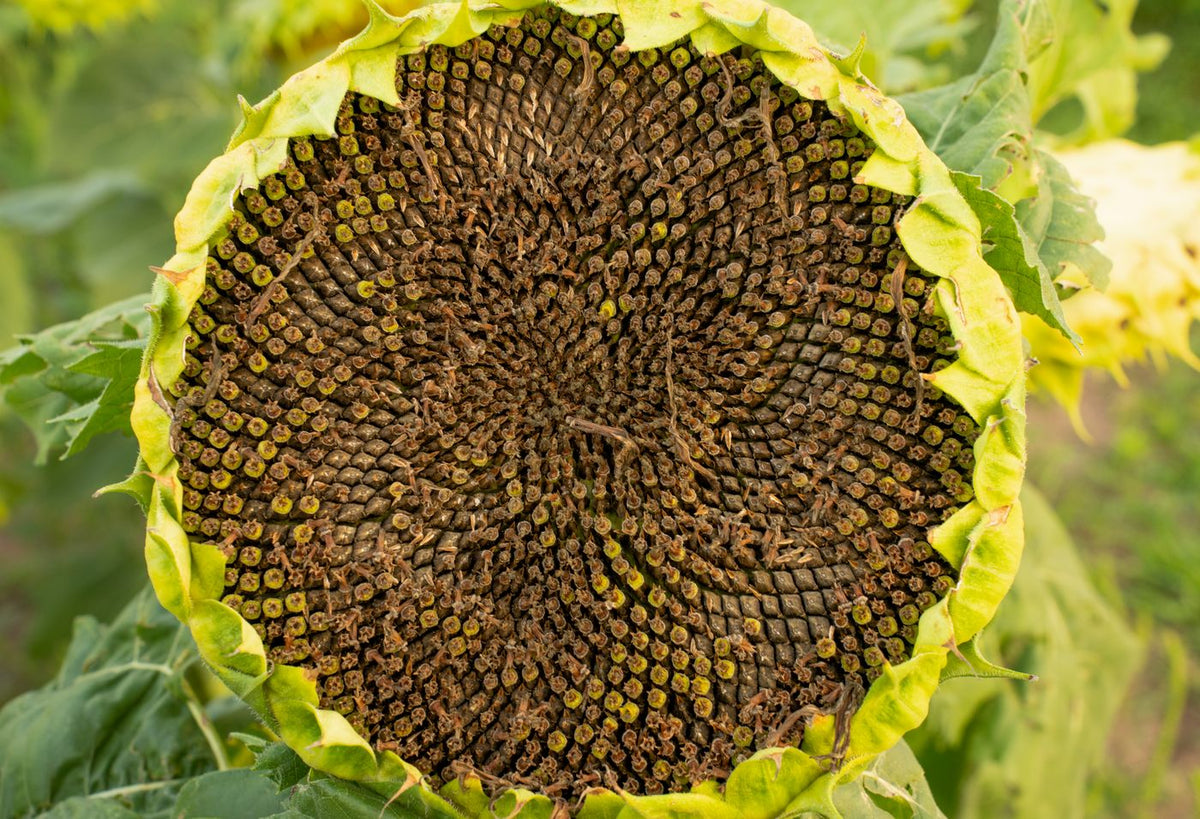
Vitamin E is often linked with skin because of its role in protecting cells from oxidative stress. That describes what the nutrient does; it is not evidence that eating more vitamin E rich foods will change how your skin looks. Other nutrients have defined roles too: vitamin C contributes to normal collagen formation for the normal function of skin (see vitamin C rich foods), and zinc contributes to the maintenance of normal skin (see zinc rich foods). For collagen, see marine collagen benefits, or browse the skin and beauty range.
Do you need a vitamin E supplement?
Most people do not. The NIH Office of Dietary Supplements notes that clear vitamin E deficiency is rare in healthy people. It is more likely in people who cannot absorb fat properly, because the gut needs fat to absorb vitamin E, for example people with Crohn's disease or cystic fibrosis or who cannot secrete bile, and in very-low-birthweight premature babies. These situations need a doctor's care, not self-treatment.
Food vitamin E is not a safety concern: no adverse effects have been reported from eating large amounts of vitamin E from food. High-dose supplements are different:
- Upper limit: the US tolerable upper intake level for adults is 1,000 mg a day of supplemental alpha-tocopherol. That equals about 1,100 IU of the synthetic form or 1,500 IU of the natural form.
- Bleeding: clinical trials have reported a higher risk of haemorrhagic stroke with high-dose vitamin E supplements.
- Blood thinners: large doses taken with anticoagulants such as warfarin can increase the risk of bleeding. Talk to your doctor before taking vitamin E if you use any blood-thinning medicine.
- Prostate cancer: in the large SELECT trial, men who took 400 IU of synthetic vitamin E a day had a 17% higher risk of prostate cancer than men given a placebo, in follow-up after supplementation had stopped.
Some multi-ingredient supplements also contain vitamin E. For example, Radia Marine Collagen + Hyaluronic Acid provides 10 mg of vitamin E per 2-capsule daily serving, alongside marine collagen peptides. Radia is fish-derived, so avoid it if you have a fish or seafood allergy. It contains piperine, which can affect how some medicines are processed, and CoQ10, which can interact with warfarin. Check with your doctor before using it if you take any medication (including a GLP-1 or diabetes medicine), or are pregnant or breastfeeding.
If you take more than one supplement, add up the vitamin E across all of them.
Frequently asked questions
Which Indian food is highest in vitamin E?
Among everyday foods, sunflower seeds and almonds lead: about 7–10 mg per 28 g handful. Sunflower and safflower oil are also rich, at about 4.6–5.6 mg per tablespoon.
Which fruit has the most vitamin E?
Of the common fruits in this guide, avocado has the most, at about 3.1 mg per cup of cubes. Kiwi and mango provide about 1 mg or less per portion, so fruits are a top-up rather than a main source.
Vitamin E ke fayde: what is vitamin E good for?
Vitamin E contributes to the protection of cells from oxidative stress. Getting it from seeds, nuts, a little vegetable oil and greens is the simplest approach for most people.
Is it safe to take vitamin E capsules every day?
Not without reason or advice. Most people get enough from food, and high-dose supplements carry a bleeding risk, especially with blood thinners. Ask your doctor before taking one.
References
- ICMR-National Institute of Nutrition. Nutrient Requirements for Indians: Recommended Dietary Allowances and Estimated Average Requirements. Short report of the Expert Group. 2020. Section "Vitamin E & K", p. 10. nin.res.in
- Hemalatha R, Laxmaiah A, Sriswan MR, Boiroju NK, Radhakrishna KV. What India Eats. ICMR-National Institute of Nutrition. nin.res.in
- NIH Office of Dietary Supplements. Vitamin E: Fact Sheet for Health Professionals. ods.od.nih.gov
- EFSA Panel on Dietetic Products, Nutrition and Allergies. Scientific Opinion on Dietary Reference Values for vitamin E as α-tocopherol. EFSA Journal. 2015;13(7):4149. doi:10.2903/j.efsa.2015.4149
- U.S. Department of Agriculture, Agricultural Research Service. FoodData Central: sunflower seed kernels, dried (FDC ID 170562); nuts, almonds (FDC ID 170567); avocados, raw, all commercial varieties (NDB 09037). fdc.nal.usda.gov; vitamin E content of selected foods (SR28 list). ods.od.nih.gov
- European Commission. Commission Regulation (EU) No 432/2012 establishing a list of permitted health claims made on foods. eur-lex.europa.eu
This article is for general education and is not medical advice. Food supplements are not intended to diagnose, treat, cure or prevent any disease. Consult a qualified healthcare professional before starting any supplement, particularly if you are pregnant, breastfeeding, have a medical condition or take medication.






