Medically reviewed by Dr. Reina Punj, MBBS, PG Diploma in Endocrinology (University of South Wales), Lead Physician, Excelgenics Clinical Panel.
Berberine's Role Extends Beyond Glucose Metabolism
Berberine is most often discussed in the context of metabolic balance, but research also covers gut microbiota, lipid metabolism and cellular energy pathways. Much of that wider research is still in laboratory and animal models.
That breadth makes it interesting, but early science must be separated from what has been shown in people.
1. Gut Microbiota and Digestive Comfort

Berberine is poorly absorbed, so much of it stays in the gut, where it has been studied in relation to:
- The balance of bacterial groups in the gut microbiome
- Intestinal barrier function (mainly in animal studies)
- Bile acids and short-chain fatty acids, which play a role in normal gut function
In a Chinese trial of 409 people with type 2 diabetes, berberine changed many gut bacterial species, including reducing some usually considered beneficial, such as Bifidobacterium, and digestive side effects were more common than with placebo. Berberine clearly affects the gut, but better digestion is not an established benefit.
2. Cellular Energy and Fat Metabolism
Berberine activates AMPK, the energy-sensing pathway also influenced by fasting and exercise. Research has looked at:
- How the body breaks down and stores fat
- Mitochondrial function (mostly in laboratory studies)
- Body composition alongside diet and activity
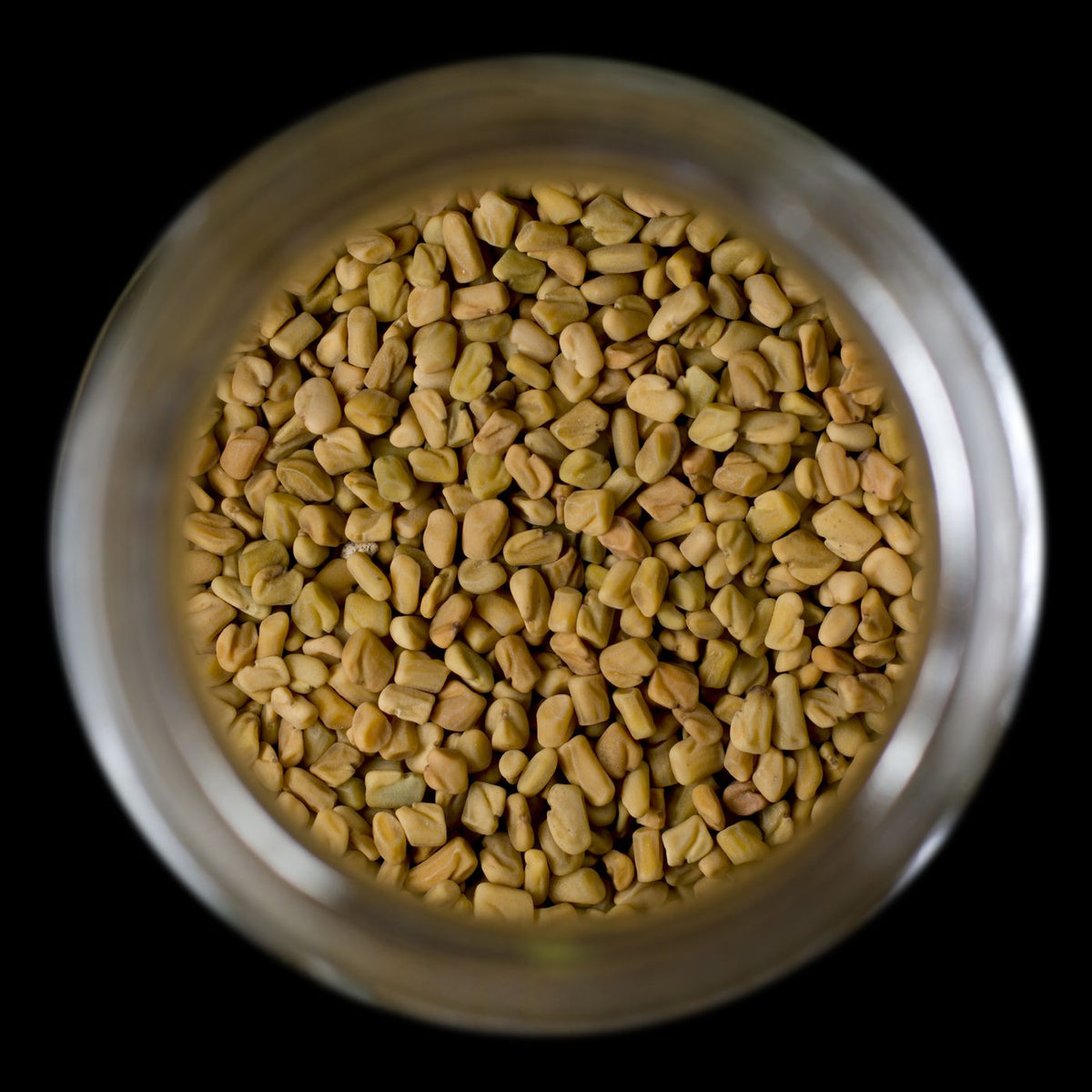
What about fenugreek?
- Whole fenugreek seed contains soluble fibre that can slow carbohydrate absorption
- That comes from gram-level amounts of seed; Pureberb has 100 mg of extract a day
Neither ingredient is a weight loss agent. Body composition depends mainly on diet, activity and lifestyle.
3. Oxidative Stress and Everyday Wellness
Poor sleep, high stress, processed food and low activity place ongoing demands on the body's antioxidant and repair systems.
Berberine has been studied, largely in laboratory models, in relation to:
- Oxidative stress markers
- Immune and inflammatory signalling
- Cellular pathways involved in tissue maintenance
These are areas of research, not proven benefits in people.
Who Might Consider Pureberb?
- Adults wanting to support normal metabolism alongside diet and activity
- Anyone interested in berberine as part of a long-term wellness routine, after checking it suits them
Berberine interacts with many medicines via CYP liver enzymes and may add to the effect of diabetes and blood-pressure medicines. Constipation, diarrhoea, nausea and bloating are the most common side effects. Not for pregnancy, breastfeeding or infants. If you have a diagnosed condition or take medication, consult a healthcare professional first.
Why Pureberb
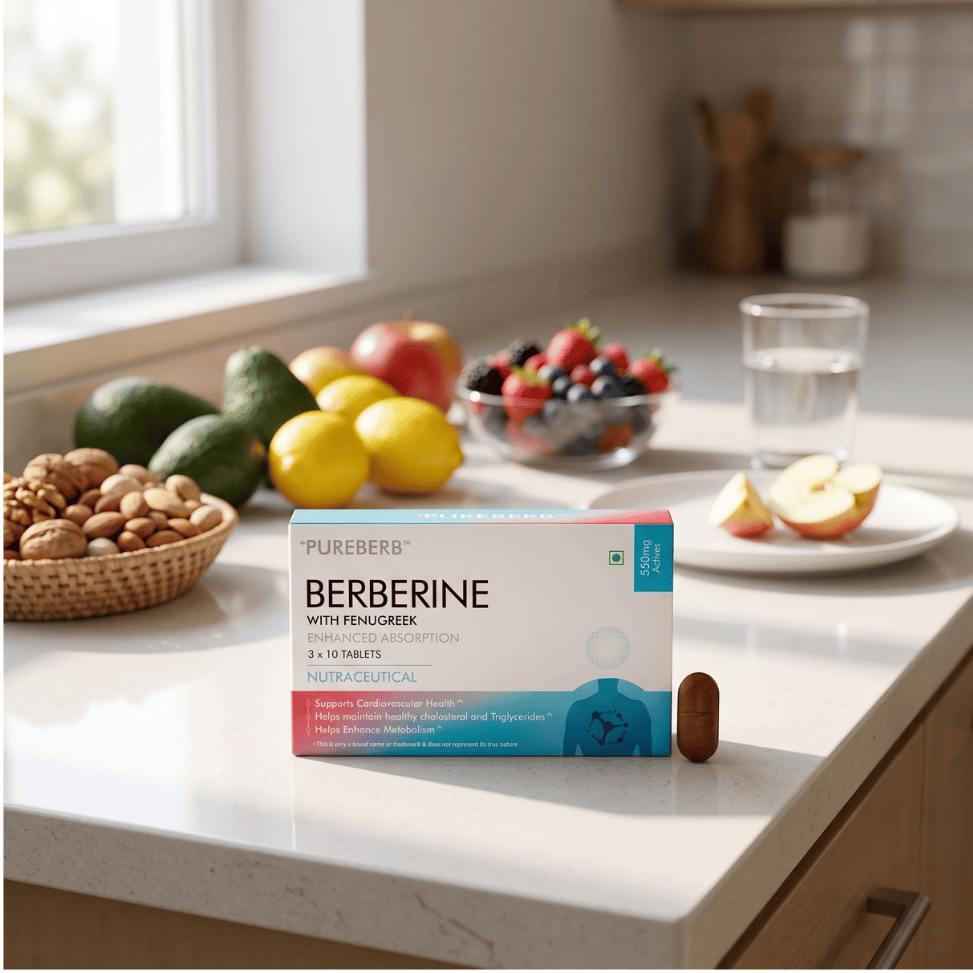
- 500 mg berberine HCl + 50 mg fenugreek seed extract (50% saponins) per tablet
- 1 tablet twice daily, 15–30 minutes before meals, with water
- Made under an FSSAI licence
A Considered Approach to Metabolic Wellness
Berberine research spans metabolism, the gut and cellular energy. The strongest human evidence is in glucose and lipid metabolism, mostly in people with diabetes; the rest is early. Pureberb is a food supplement to support normal metabolism alongside a balanced diet and regular activity.
References
- Zhang Y, Gu Y, Ren H, et al. Gut microbiome-related effects of berberine and probiotics on type 2 diabetes (the PREMOTE study). Nat Commun. 2020;11:5015. doi:10.1038/s41467-020-18414-8
- Dong H, Wang N, Zhao L, Lu F. Berberine in the treatment of type 2 diabetes mellitus: a systemic review and meta-analysis. Evid Based Complement Alternat Med. 2012;2012:591654. doi:10.1155/2012/591654
This article is for general education and is not medical advice. Food supplements are not intended to diagnose, treat, cure or prevent any disease. Consult a qualified healthcare professional before starting any supplement, particularly if you are pregnant, breastfeeding, have a medical condition or take medication.