

Medically reviewed by Dr. Reina Punj, MBBS, PG Diploma in Endocrinology (University of South Wales), Lead Physician, Excelgenics Clinical Panel.
The foods highest in CoQ10 are organ meats such as heart and liver, followed by meat, oily fish, soybean and rapeseed (canola) oil, peanuts, pistachios and sesame seeds. Vegetables, fruit, eggs and dairy contain smaller amounts. Even so, a typical diet provides only about 3–6 mg of CoQ10 a day, far less than the 30–300 mg found in supplements. This article lists the main natural sources of CoQ10 with realistic amounts, explains why vegetarian sources of CoQ10 supply little, and covers how to take CoQ10 with food.
For forms, dosage and safety in more detail, see our CoQ10 Supplements Guide.
What is CoQ10, and do you need it from food?
Coenzyme Q10 (CoQ10) is a fat-soluble compound found in almost every cell, where it helps turn food into usable energy and acts as an antioxidant in cell membranes. The body makes its own CoQ10, so it is not classed as a vitamin and there is no official recommended daily intake. Food adds a smaller share on top of what the body makes. Read more in our article on CoQ10 uses.
Foods high in CoQ10: the main natural sources
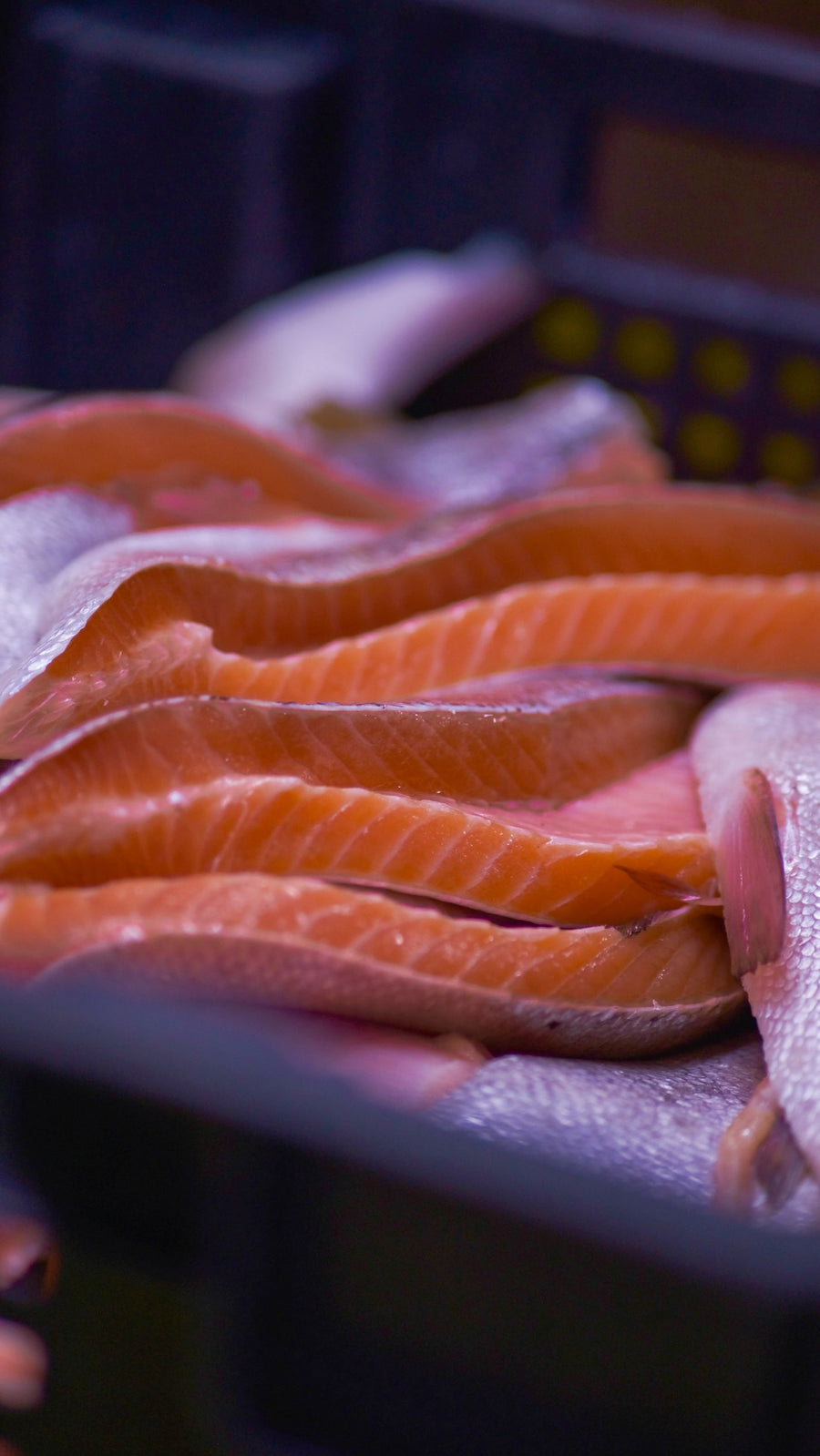
Scientists measure CoQ10 in foods in milligrams per kilogram, and results vary a lot between studies, depending on the animal or plant, where it was grown and how it was tested. The table below shows the ranges reported in a 2023 review of food composition studies, converted to milligrams per 100 g.
| Food | CoQ10 per 100 g (reported range) |
|---|---|
| Beef heart | About 6–11 mg |
| Pork heart | About 2–13 mg |
| Beef liver | About 3–5 mg |
| Beef | About 1.6–4.9 mg |
| Sardine | About 1.2–3.1 mg |
| Mackerel | About 1.1–2.6 mg |
| Chicken | About 1.1–2.1 mg |
| Soybean oil | About 5.4–9.8 mg |
| Rapeseed (canola) oil | About 4.6–6.4 mg |
| Sesame oil | About 1.8–3.2 mg |
| Peanuts | About 1.2–2.6 mg |
| Pistachios | About 1.9–2.2 mg |
| Broccoli | About 0.7–1.1 mg |
| Spinach | About 0.04–1.4 mg |
| Whole milk | About 0.03 mg |
Nobody eats 100 g of oil, so it helps to look at normal portions. The Linus Pauling Institute (Oregon State University) gives these figures per serving:
- Beef, fried, 85 g (3 oz): 2.6 mg
- Chicken, fried, 85 g: 1.4 mg
- Soybean oil, 1 tablespoon: 1.3 mg
- Canola oil, 1 tablespoon: 1.0 mg
- Peanuts, roasted, about 28 g (1 oz): 0.8 mg
- Sesame seeds, roasted, about 28 g: 0.7 mg
- Broccoli, boiled, half a cup chopped: 0.5 mg
- Cauliflower, boiled, half a cup chopped: 0.4 mg
- Orange, 1 medium: 0.3 mg
- Egg, boiled, 1 medium: 0.1 mg
In other words, even the richest everyday CoQ10 foods provide only a few milligrams per portion.
How much CoQ10 do we get from diet?
Studies using food questionnaires estimate average intake at about 3–6 mg a day. A Danish study that analysed the national diet put it at 3–5 mg a day, with meat and poultry supplying about 64% of the total, and cereals, fruit, fats and vegetables contributing little. There is no official target to compare this with, and the body's own production makes up most of what it needs.
CoQ10 rich foods for vegetarians: vegetarian sources of CoQ10
Because meat, poultry and fish are the main dietary sources, a vegetarian diet supplies less CoQ10. Most Indian vegetarian staples (dal, rice, roti, vegetables, fruit, milk, curd and paneer) contain only traces. The better vegetarian sources of CoQ10 are:
- Soybean oil and rapeseed (canola) oil: about 1–1.3 mg per tablespoon.
- Peanuts: about 0.8 mg per 28 g handful of roasted peanuts.
- Sesame seeds (til): about 0.7 mg per 28 g of roasted seeds; sesame oil contains less than soybean oil.
- Pistachios: about 0.6 mg per 28 g roasted.
- Broccoli, cauliflower and spinach: small amounts, generally under 1 mg per serving.
We could not find reliable published figures for some common Indian foods, such as mustard oil, ghee or most dals, so they are not listed here. Research on CoQ10 levels in vegetarians is limited, and a lower dietary intake does not on its own mean a deficiency, because the body makes its own CoQ10.
Does cooking destroy CoQ10?
Partly. In the Danish diet study, frying destroyed 14–32% of the CoQ10 in foods, while boiling caused no detectable loss. CoQ10 is also sensitive to light and heat during storage and processing. The practical point is small: whatever the cooking method, food amounts stay in single milligrams.
CoQ10 foods vs supplements: why the amounts are so different
CoQ10 supplements usually provide 30–100 mg a day, and some provide more. Trials in statin users have used 100–400 mg a day, and the main heart-failure trial used 300 mg a day, in patients under specialist care. To get 300 mg from food you would need, on the figures above, more than 2.5 kg of beef heart or around 230 tablespoons of soybean oil a day. Food cannot realistically supply amounts in the range used in research or in higher-dose supplements.
That does not mean everyone needs a supplement. A supplement is a personal choice, not a necessity, and the body's own production covers its basic needs. People who choose one often do so because they take a statin (which lowers blood CoQ10), are older, or eat a vegetarian diet. CoQHealth contains 300 mg CoQ10 (ubiquinone) with 5 mg piperine (black pepper extract) per plant-based capsule. If you are comparing forms, see ubiquinone vs ubiquinol: which form should you choose?
Taking CoQ10 with food: why a fat-containing meal helps
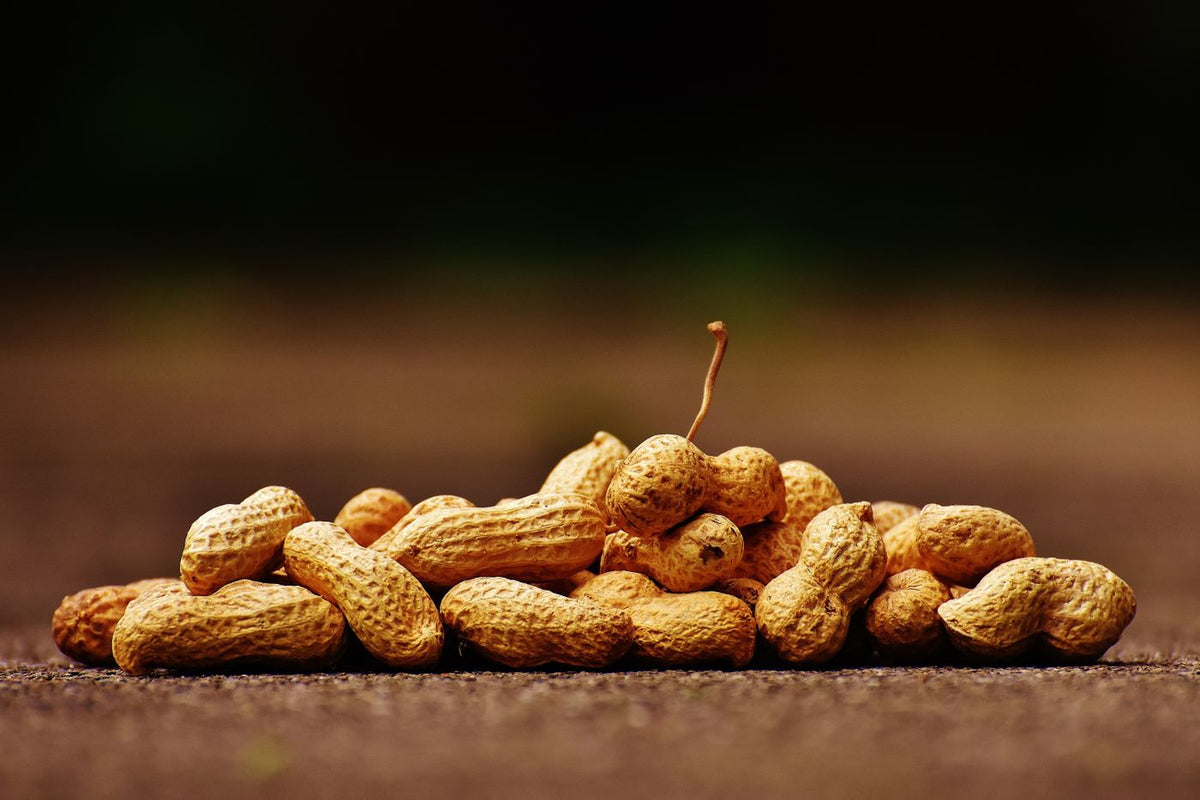
CoQ10 does not dissolve in water. It needs dietary fat and bile to be taken up from the gut, and only a small fraction of an oral dose is absorbed. That is why taking CoQ10 with food, specifically a meal that contains some fat, is the standard advice:
- Take it with a main meal cooked in oil, or one that includes nuts, seeds, curd, paneer or eggs.
- Morning or lunch suits most people, as CoQ10 has occasionally been linked to trouble sleeping.
- Avoid taking it on an empty stomach or with only tea or coffee.
- Count every source: some skin and multi-ingredient formulas also contain CoQ10.
Interestingly, a small study gave healthy volunteers a single 30 mg dose of CoQ10 either as a meal of ordinary foods or as capsules, and peak blood levels did not differ significantly between the two, which suggests CoQ10 from food is absorbed too.
Safety notes
CoQ10 from food is not a safety concern. For supplements, no serious side effects have been reported in research; mild digestive upset is the most common complaint, especially at 200 mg a day or more, and some people notice trouble sleeping. Speak to your doctor before taking a CoQ10 supplement if you:
- take warfarin or another blood thinner, as CoQ10 has been reported to reduce the effect of warfarin;
- use insulin or other diabetes medicines;
- are having cancer treatment;
- are pregnant;
- take a statin or any regular medicine and are choosing a product with piperine. Piperine has been shown to inhibit CYP3A4 and P-glycoprotein, which handle many medicines. This applies to CoQHealth, which contains 5 mg piperine.
Avoid CoQ10 supplements while breastfeeding, as there is too little reliable safety information. Never use CoQ10 as a reason to stop or reduce a prescribed medicine.
Frequently asked questions
Which food has the most CoQ10?
Organ meats, especially heart, have the highest reported amounts, up to about 11–13 mg per 100 g. Among everyday foods, meat, oily fish such as sardine and mackerel, and soybean and rapeseed oils are the richest sources.
What are the best vegetarian sources of CoQ10?
Soybean and rapeseed (canola) oils, peanuts, sesame seeds and pistachios provide the most, at roughly 0.6–1.3 mg per serving. Vegetables, fruit and dairy provide very little.
Can I get enough CoQ10 from food alone?
Your body makes its own CoQ10, so most people do not rely on food. But food supplies only about 3–6 mg a day, so it cannot match the amounts in supplements or those used in research.
Should I take CoQ10 with food?
Yes. CoQ10 is fat-soluble and is best absorbed with a meal that contains some fat. Follow the label; for example, one capsule a day with a meal containing healthy fats.
References
- Linus Pauling Institute, Oregon State University. Coenzyme Q10. lpi.oregonstate.edu
- National Center for Complementary and Integrative Health (NIH). Coenzyme Q10. nccih.nih.gov
- Podar AS, Semeniuc CA, Ionescu SR, et al. An overview of analytical methods for quantitative determination of coenzyme Q10 in foods. Metabolites. 2023;13(2):272. doi:10.3390/metabo13020272
- Pravst I, Žmitek K, Žmitek J. Coenzyme Q10 contents in foods and fortification strategies. Critical Reviews in Food Science and Nutrition. 2010;50(4):269–280. doi:10.1080/10408390902773037
- Weber C, Bysted A, Hølmer G. The coenzyme Q10 content of the average Danish diet. International Journal for Vitamin and Nutrition Research. 1997;67(2):123–129.
- Weber C, Bysted A, Hølmer G. Coenzyme Q10 in the diet: daily intake and relative bioavailability. Molecular Aspects of Medicine. 1997;18(Suppl):S251–S254. doi:10.1016/s0098-2997(97)00003-4
- Mortensen SA, Rosenfeldt F, Kumar A, et al. The effect of coenzyme Q10 on morbidity and mortality in chronic heart failure: results from Q-SYMBIO: a randomized double-blind trial. JACC: Heart Failure. 2014;2(6):641–649. doi:10.1016/j.jchf.2014.06.008
- Bhagavan HN, Chopra RK. Coenzyme Q10: absorption, tissue uptake, metabolism and pharmacokinetics. Free Radical Research. 2006;40(5):445–453. doi:10.1080/10715760600617843
- Bhardwaj RK, Glaeser H, Becquemont L, et al. Piperine, a major constituent of black pepper, inhibits human P-glycoprotein and CYP3A4. Journal of Pharmacology and Experimental Therapeutics. 2002;302(2):645–650. doi:10.1124/jpet.102.034728
This article is for general education and is not medical advice. Food supplements are not intended to diagnose, treat, cure or prevent any disease. Consult a qualified healthcare professional before starting any supplement, particularly if you are pregnant, breastfeeding, have a medical condition or take medication.






