Medically reviewed by Dr. Reina Punj, MBBS, PG Diploma in Endocrinology (University of South Wales), Lead Physician, Excelgenics Clinical Panel.
The main flax seeds benefits are nutritional: one tablespoon of whole flax seeds (alsi) gives about 2.35 g of alpha-linolenic acid (ALA), a plant omega-3 fat, plus fibre and lignans, which makes alsi one of the most useful seeds in a vegetarian Indian diet. Flaxseed has also been studied for heart-health markers, with small average effects in research studies (summarised below); it is a food, not a treatment. Grinding the seeds helps your body use them, and a sensible amount is 1–2 tablespoons a day, taken with plenty of water.
This guide covers flax seeds nutrition, what the research shows (including flax seeds benefits for females), whether to eat them whole, ground or roasted, and the side effects to know about.
Flax seeds (alsi) nutrition per tablespoon

| Nutrient | 1 tbsp whole flax seeds (about 10 g) | 1 tbsp ground flax seeds (about 7 g) |
|---|---|---|
| Energy | 55 kcal | 37 kcal |
| ALA (plant omega-3) | 2.35 g | 1.6 g |
| Dietary fibre | 2.8 g | 1.9 g |
| Protein | 1.9 g | 1.3 g |
| Magnesium | 40 mg | 27 mg |
Figures are calculated from USDA FoodData Central (flaxseed, per 100 g). A tablespoon of ground seed weighs less than a tablespoon of whole seed, so it contains a little less of everything.
For context, ICMR-NIN (2020) puts the daily requirement for omega-3 fats (n-3 PUFA) at 2.2 g, and a tablespoon of whole alsi supplies about that much ALA. Flaxseed is also by far the richest food source of plant lignans, natural plant compounds that gut bacteria convert into substances called enterolignans.
Flax seeds benefits: what the research shows
Omega-3 (ALA)
ALA is an essential fat: your body cannot make it, so it has to come from food. In Europe, ALA is authorised to be described as contributing to the maintenance of normal blood cholesterol levels, with the beneficial effect obtained from a daily intake of 2 g of ALA. That is a recognised role of the nutrient at that intake. Remember that ALA is not the same as EPA and DHA, the omega-3s in fish; the body converts only a small share of ALA into them (reported rates are under 15%). Our Vegan Omega-3 Supplements Guide explains the difference.
Cholesterol
A 2009 meta-analysis of 28 studies found that whole flaxseed was linked to small reductions in total and LDL cholesterol (about 0.21 and 0.16 mmol/L on average). Flaxseed oil showed no significant effect. Reductions were larger in women and in people who started with higher cholesterol, and there was no significant change in HDL cholesterol or triglycerides.
Blood pressure
A 2016 meta-analysis of 15 trials (about 1,300 people) found that flaxseed supplements were linked to small reductions in blood pressure of roughly 2–3 mmHg, and flaxseed powder lowered both the top and bottom numbers. These are small average effects in research studies. They do not mean alsi can replace blood pressure treatment; if you have high blood pressure, follow your doctor's advice.
Fibre and lignans
The fibre in flax seeds adds to your daily intake, and the lignans are being studied for possible effects on hormone-related health. So far, the evidence on lignans is limited and inconsistent, and the Linus Pauling Institute says trials are still needed before firm conclusions can be drawn.
Flax seeds benefits for females
There is no strong evidence of benefits that apply only to women, but a few findings are relevant:
- Cholesterol: in the 2009 meta-analysis, total cholesterol reductions with flaxseed were greater in women than in men. Most of the women studied were postmenopausal.
- Hot flushes: because of their lignans, flax seeds are often suggested for menopause. In a 2012 placebo-controlled trial of 188 women, a daily flaxseed bar for six weeks reduced hot flushes no more than a placebo bar did.
- ALA needs: women have a lower ALA adequate intake than men (1.1 g a day vs 1.6 g in US guidance), so a tablespoon of alsi covers it comfortably.
- Pregnancy: see the safety section below. Flaxseed in amounts larger than normal food use is not recommended during pregnancy or breastfeeding.
Whole, ground or roasted flax seeds?

- Ground is better for nutrition: in a 2008 study, milled flaxseed raised blood ALA levels while the same amount of whole flaxseed did not, because whole seeds can pass through the gut unbroken. Grinding also improves how well your body uses the lignans.
- Roast flax seeds benefits: dry-roasting alsi on a tawa, as many Indian homes do, makes the seeds crunchy and easy to grind. Germany's Federal Institute for Risk Assessment (BfR) says heat, for example during baking or cooking, minimises the risk from the natural cyanide-releasing compounds in linseed. There is little research on whether roasting changes the other benefits, so roast lightly and grind in small batches.
- Raw: the NCCIH advises against eating raw or unripe flaxseeds, which may contain potentially toxic compounds. Raw ground flax releases these compounds when it is crushed or chewed, which is why the BfR advises limits (below).
Easy ways to use alsi: stir a spoon of roasted, ground alsi into curd, raita, dal or atta for rotis and parathas, sprinkle it on poha or upma, or make the traditional Maharashtrian alsi chutney powder.
How much flax seeds a day?
For most adults, 1–2 tablespoons a day is a sensible amount. The BfR says no adverse health effects are expected in adults eating up to 15–20 g of raw ground linseed a day (about 2–3 level tablespoons), and also suggests limiting adult intake to 20 g a day because linseed can contain cadmium. For children aged four and over, the BfR suggests no more than 4 g a day (about one level teaspoon), and says young children should not be given raw, ground linseed.
Always take flax seeds with plenty of water or as part of a moist dish. Start with a teaspoon and build up over a week or two to give your digestion time to adjust.
Flax seeds side effects and who should be careful
- Not enough water: the European Medicines Agency (EMA) warns that linseed taken without enough fluid can swell and block the throat or oesophagus, and that intestinal obstruction may occur if fluid intake is not kept up. Avoid flax if you have difficulty swallowing or a known narrowing of the gut.
- Digestive effects: bloating and wind are common, and higher amounts can cause fullness or diarrhoea.
- Medicines: linseed may delay the absorption of other medicines, so the EMA advises taking linseed preparations at least ½–1 hour before or after other medicines. Flaxseed might also add to the effect of blood thinners (anticoagulant or antiplatelet medicines), so speak to your doctor first if you take them.
- Pregnancy and breastfeeding: the NCCIH says some studies suggest flaxseed may be unsafe in pregnancy, although the evidence is not conclusive, and the EMA does not recommend medicinal amounts during pregnancy or breastfeeding. Stick to small food amounts unless your doctor advises otherwise.
- Allergy: allergic reactions to linseed are very rare but possible.
Flax seeds vs flaxseed oil
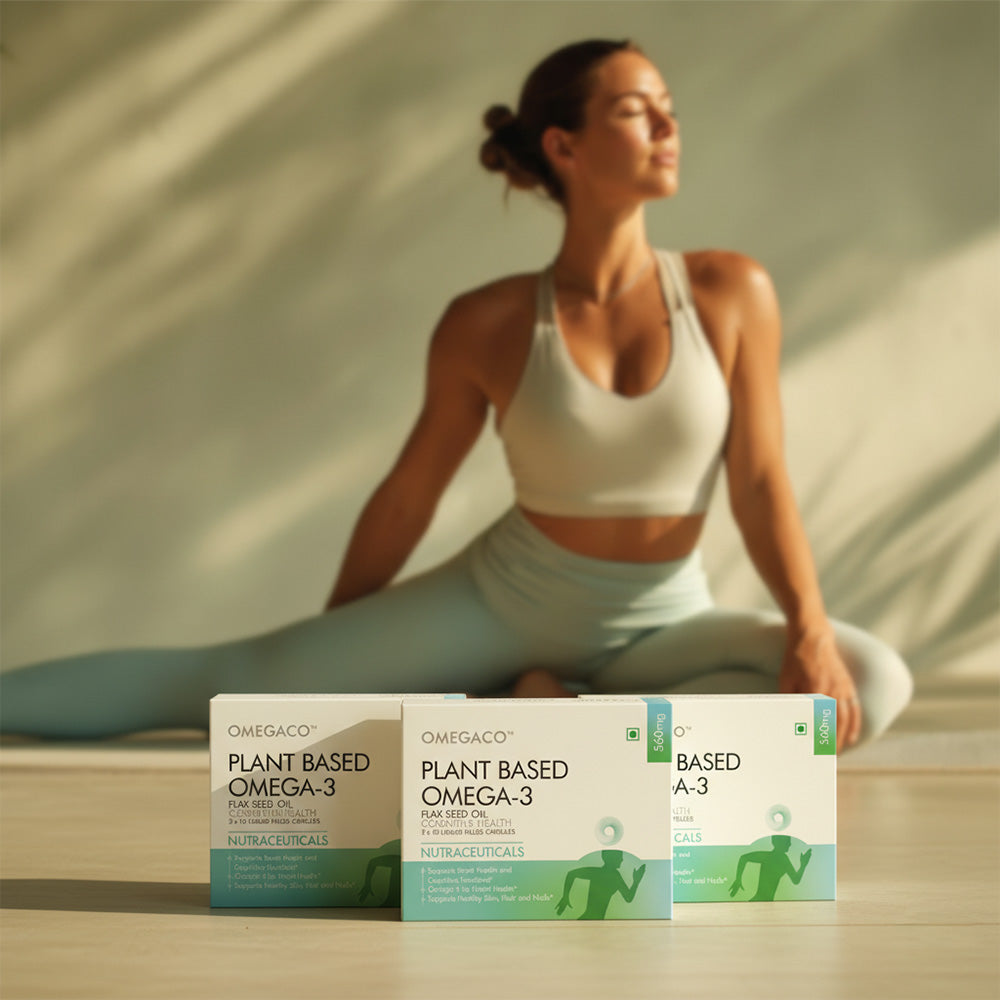
Flaxseed oil gives far more ALA per spoon but no fibre or lignans, and in the cholesterol research only whole flaxseed showed an effect. Read more in flaxseed oil benefits: what the research really shows. If you prefer capsules, Omegaco provides 560 mg of cold-pressed flaxseed oil per capsule (an estimated ~300 mg ALA) and no EPA or DHA, so food sources such as alsi should still supply most of your ALA. To see how alsi compares with another popular seed, read chia seeds vs flax seeds.
Frequently asked questions
What is alsi in English?
Alsi is the Hindi name for flax seeds, also called linseed. They are the small brown or golden seeds of the flax plant, Linum usitatissimum.
Can I eat flax seeds every day?
Yes, for most adults, 1–2 tablespoons a day with plenty of water is a sensible food amount. If you take regular medicines, are pregnant or breastfeeding, or have a digestive condition, check with your doctor first.
Is it better to eat flax seeds raw or roasted?
Lightly roasted and ground is a good choice. Heat reduces the risk from the natural cyanide-releasing compounds, and grinding helps you absorb the ALA and lignans. The NCCIH advises against eating raw or unripe flaxseed.
Are flax seeds good for weight management?
There is not enough good evidence to say. The NCCIH notes only one small trial of a flaxseed fibre (mucilage) powder, and no effect for flaxseed lignan extract or flaxseed oil. Alsi is a nutritious, high-fibre food, but it is not a weight-loss product; for weight concerns, speak to your doctor or a dietitian.
References
- U.S. Department of Agriculture. FoodData Central, SR Legacy: Seeds, flaxseed (FDC 169414). fdc.nal.usda.gov
- National Institutes of Health, Office of Dietary Supplements. Omega-3 Fatty Acids: Fact Sheet for Health Professionals. ods.od.nih.gov
- ICMR-National Institute of Nutrition. A brief note on nutrient requirements for Indians, the Recommended Dietary Allowances (RDA) and the Estimated Average Requirements (EAR). 2020. nin.res.in
- Linus Pauling Institute, Oregon State University. Lignans. lpi.oregonstate.edu
- Commission Regulation (EU) No 432/2012, list of permitted health claims (alpha-linolenic acid). eur-lex.europa.eu
- Pan A, Yu D, Demark-Wahnefried W, Franco OH, Lin X. Meta-analysis of the effects of flaxseed interventions on blood lipids. American Journal of Clinical Nutrition. 2009;90(2):288–297. doi:10.3945/ajcn.2009.27469
- Ursoniu S, Sahebkar A, Andrica F, Serban C, Banach M. Effects of flaxseed supplements on blood pressure: a systematic review and meta-analysis of controlled clinical trial. Clinical Nutrition. 2016;35(3):615–625. doi:10.1016/j.clnu.2015.05.012
- Pruthi S, Qin R, Terstreip SA, et al. A phase III, randomized, placebo-controlled, double-blind trial of flaxseed for the treatment of hot flashes: NCCTG N08C7. Menopause. 2012;19:48–53. doi:10.1097/gme.0b013e318223b021
- Austria JA, Richard MN, Chahine MN, et al. Bioavailability of alpha-linolenic acid in subjects after ingestion of three different forms of flaxseed. Journal of the American College of Nutrition. 2008;27(2):214–221. doi:10.1080/07315724.2008.10719693
- German Federal Institute for Risk Assessment (BfR). Hydrocyanic acid and cadmium in linseeds. Communication No. 034/2026. bfr.bund.de
- European Medicines Agency, HMPC. European Union herbal monograph on Linum usitatissimum L., semen. EMA/HMPC/377675/2014. ema.europa.eu
- National Center for Complementary and Integrative Health (NIH). Flaxseed and Flaxseed Oil. nccih.nih.gov
This article is for general education and is not medical advice. Food supplements are not intended to diagnose, treat, cure or prevent any disease. Consult a qualified healthcare professional before starting any supplement, particularly if you are pregnant, breastfeeding, have a medical condition or take medication.