Medically reviewed by Dr. Reina Punj, MBBS, PG Diploma in Endocrinology (University of South Wales), Lead Physician, Excelgenics Clinical Panel.
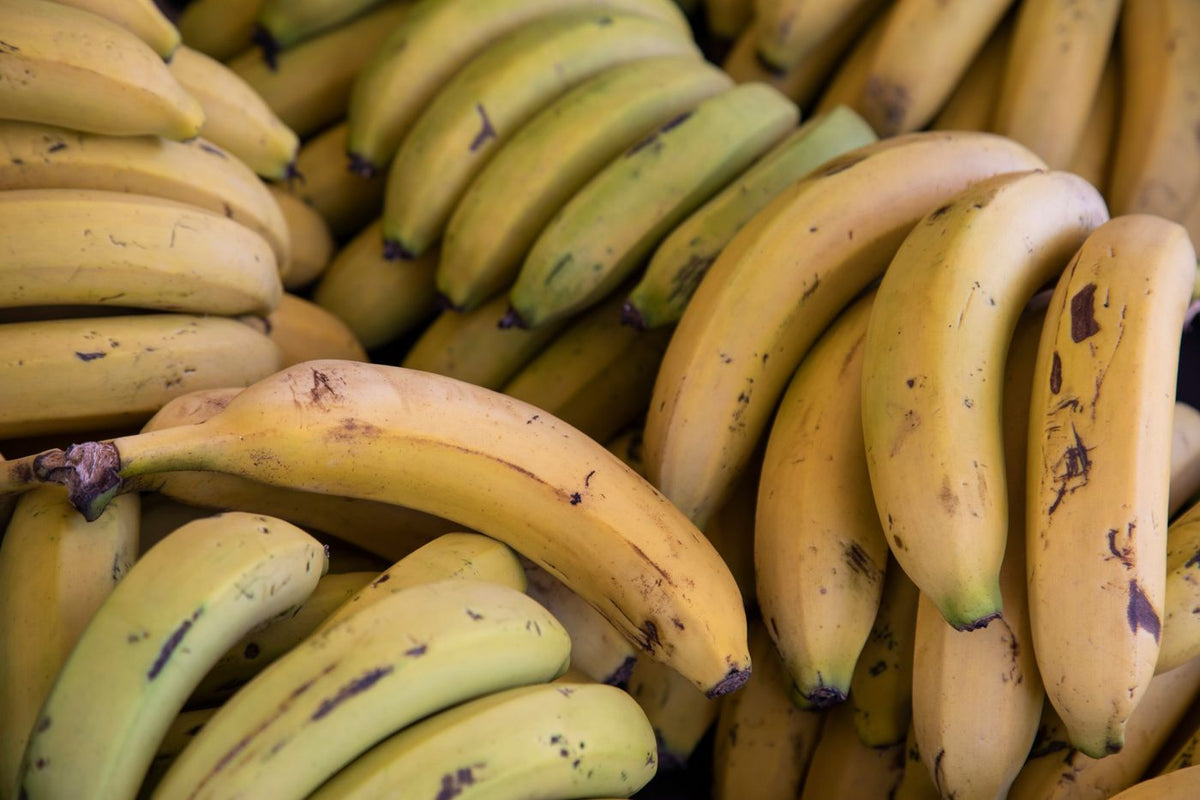
Useful vitamin B6 rich foods for Indian kitchens include pistachios (pista), sunflower seeds (surajmukhi ke beej), bananas (kela), potatoes (aloo), soybeans, whole masoor and kabuli chana, along with chicken, fish such as tuna and salmon, and eggs. Vitamin B6 is found in a wide variety of foods, so most people who eat a varied diet get enough without a supplement. Indian adults need about 2.4 mg a day (men) or 1.9 mg a day (women), according to ICMR-NIN 2020.
This guide gives a table of vitamin B6 rich foods with amounts per realistic Indian portion, a vegetarian sample day, foods that are good sources of magnesium, zinc and vitamin B6 together, and why more is not better when it comes to B6 supplements.
How much vitamin B6 do you need?
The ICMR-NIN 2020 Recommended Dietary Allowance (RDA) for Indian adults is 2.4 mg a day for men and 1.9 mg a day for women. The estimated average requirement is 2.1 mg and 1.6 mg. About 75% of the vitamin B6 in a mixed diet is available to the body, according to the US National Institutes of Health (NIH); some of the B6 in plant foods is in a form that is absorbed less well.
Under EU-authorised wording, vitamin B6 contributes to:
- the reduction of tiredness and fatigue;
- normal psychological function;
- normal functioning of the nervous system;
- normal energy-yielding metabolism and normal protein and glycogen metabolism;
- normal red blood cell formation and the normal function of the immune system;
- the regulation of hormonal activity.
Vitamin B6 rich foods: an Indian table
Amounts are calculated from USDA FoodData Central values per 100 g, except where marked NIH (taken from the NIH food table). Cooked pulses are for 1 katori (about 150 g) of cooked, drained pulses. Nuts and seeds are raw. Natural foods vary, so treat the figures as guides.
| Food | Typical portion | Vitamin B6 (mg) |
|---|---|---|
| Vegetarian | ||
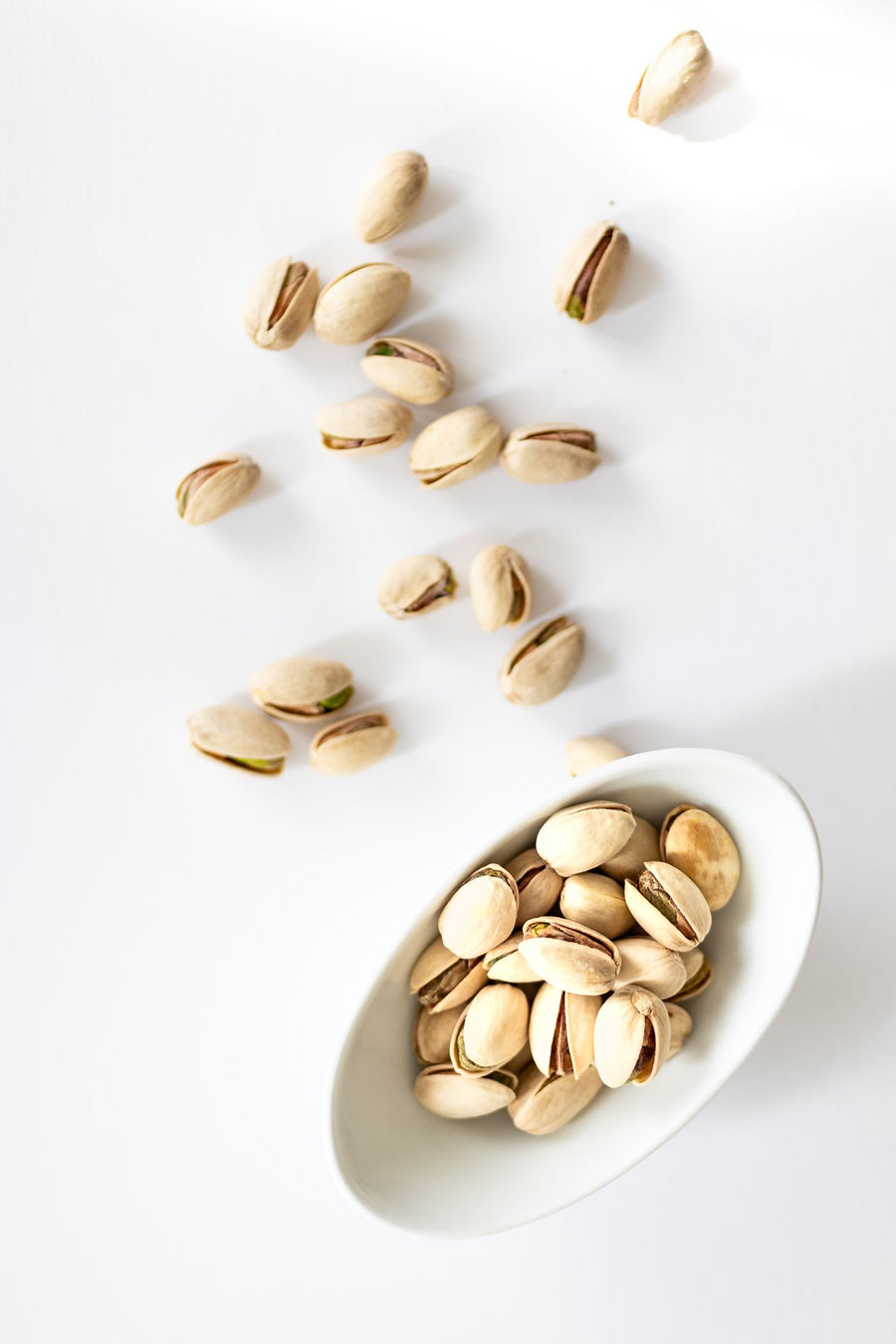
| Pistachios (pista) | A small handful (30 g) | 0.51 |
| Potato (aloo), boiled | 1 katori (about 150 g) | 0.45 |
| Banana (kela) | 100 g (about 1 medium) | 0.37 |
| Soybeans, cooked | 1 katori (about 150 g) | 0.35 |
| Whole masoor (lentils), cooked | 1 katori (about 150 g) | 0.27 |
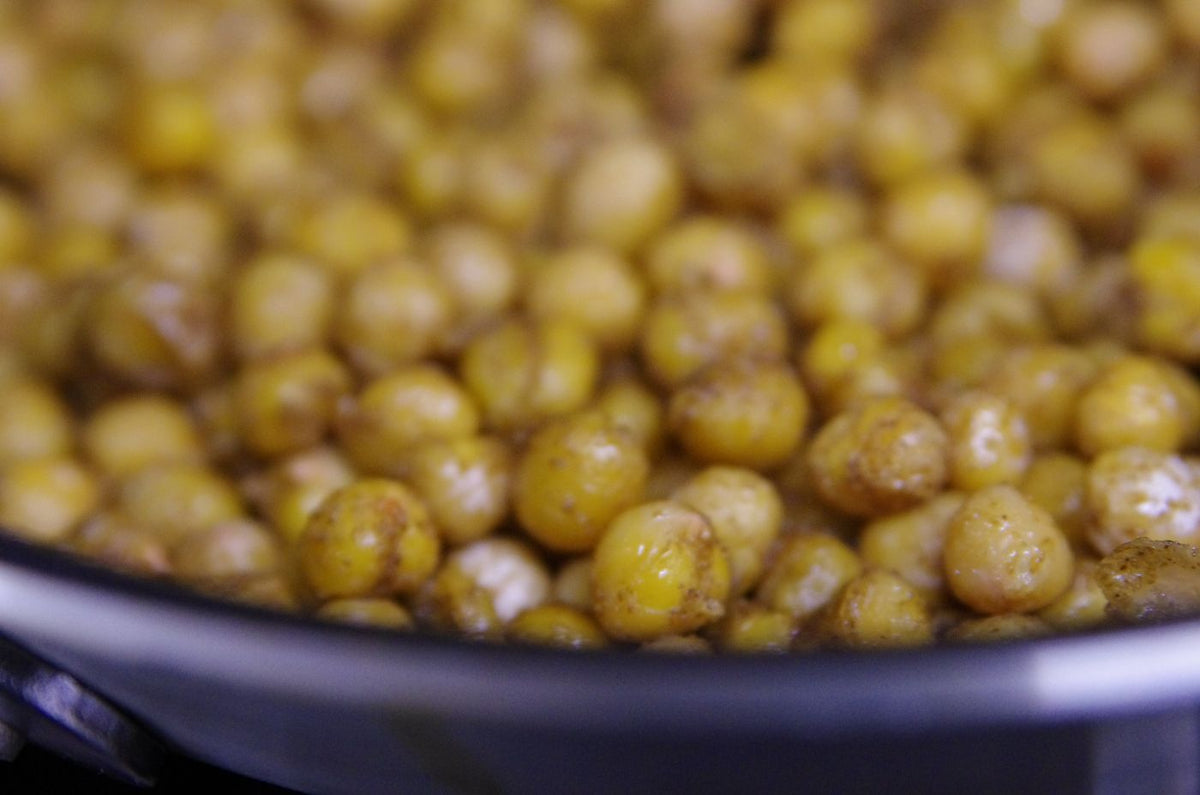
| Kabuli chana (chickpeas), cooked | 1 katori (about 150 g) | 0.21 |
| Rajma (red kidney beans), cooked | 1 katori (about 150 g) | 0.18 |
| Walnuts (akhrot) | 30 g (about 7 whole nuts) | 0.16 |
| Sunflower seeds (surajmukhi ke beej) | 1 tbsp (about 10 g) | 0.13 |
| Peanuts (moongphali) | A small handful (30 g) | 0.10 |
| Sesame seeds (til), whole | 1 tbsp (about 10 g) | 0.08 |
| Curd (dahi), whole milk | 1 katori (about 150 g) | 0.05 |
| Non-vegetarian | ||
| Tuna (yellowfin), cooked | 85 g | 0.9 (NIH) |
| Chicken breast, roasted | 100 g | 0.60 |
| Salmon (sockeye), cooked | 85 g | 0.6 (NIH) |
| Eggs (anda) | 2 eggs (about 100 g) | 0.17 |
| Mutton (lamb), cooked | 100 g | 0.14 |
Weight for weight, pistachios (1.7 mg per 100 g) and sunflower seeds (1.3 mg per 100 g) are the most concentrated vegetarian sources here. In everyday amounts, potatoes, bananas and pulses often contribute just as much because we eat more of them. The Indian Food Composition Tables (IFCT 2017) give lower values for some nuts and seeds (pistachios and sunflower seeds about 0.9–1.0 mg per 100 g) and slightly higher values for Indian bananas (about 0.4–0.5 mg per 100 g).
A note on chickpeas
Many lists put chickpeas at the top. The NIH table gives 1.1 mg for a cup of canned chickpeas, but home-boiled chickpeas in the same USDA database contain much less, about 0.2 mg per katori. Chana is still a good food, but values vary a lot with how it is processed.
Vitamin B6 rich foods vegetarian: a sample day
A vegetarian Indian diet can meet the RDA from food. Using the figures above, this day adds up to about 2 mg:
| Meal | Food | Vitamin B6 (mg) |
|---|---|---|
| Breakfast | A banana (100 g) and 1 tbsp sunflower seeds on poha or upma | 0.50 |
| Lunch | 1 katori kabuli chana and 1 katori aloo sabzi (150 g potato) | 0.66 |
| Snack | A small handful each of pistachios and peanuts (30 g each) | 0.61 |
| Dinner | 1 katori whole masoor dal | 0.27 |
That is above the women's RDA and a little below the men's, before counting rotis, rice and vegetables, which add small amounts (the NIH lists 0.1 mg for a cup of cooked white rice). Swapping chana for soybeans, or adding chicken or fish if you eat them, closes the gap.
Magnesium and vitamin B6 rich foods (and zinc too)
Several of the same everyday foods supply magnesium, zinc and vitamin B6 together, which makes them useful building blocks for any meal plan:
| Food | Portion | Vitamin B6 (mg) | Magnesium (mg) | Zinc (mg) |
|---|---|---|---|---|
| Soybeans, cooked | 1 katori (150 g) | 0.35 | 129 | 1.7 |
| Kabuli chana, cooked | 1 katori (150 g) | 0.21 | 72 | 2.3 |
| Whole masoor, cooked | 1 katori (150 g) | 0.27 | 54 | 1.9 |
| Pistachios | 30 g | 0.51 | 36 | 0.7 |
| Peanuts | 30 g | 0.10 | 59 | 1.0 |
| Sunflower seeds | 1 tbsp (10 g) | 0.13 | 41 | 0.5 |
| Sesame seeds (til) | 1 tbsp (10 g) | 0.08 | 37–39 | 0.8 |
| Banana | 100 g | 0.37 | 30–44 | 0.2 |
| Chicken breast, roasted | 100 g | 0.60 | 29 | 1.0 |
| Eggs | 2 eggs (100 g) | 0.17 | 12 | 1.3 |
Magnesium values for peanuts, seeds and banana are from the ICMR-NIN Indian Food Composition Tables 2017, matching our magnesium article; the other values are from USDA FoodData Central.
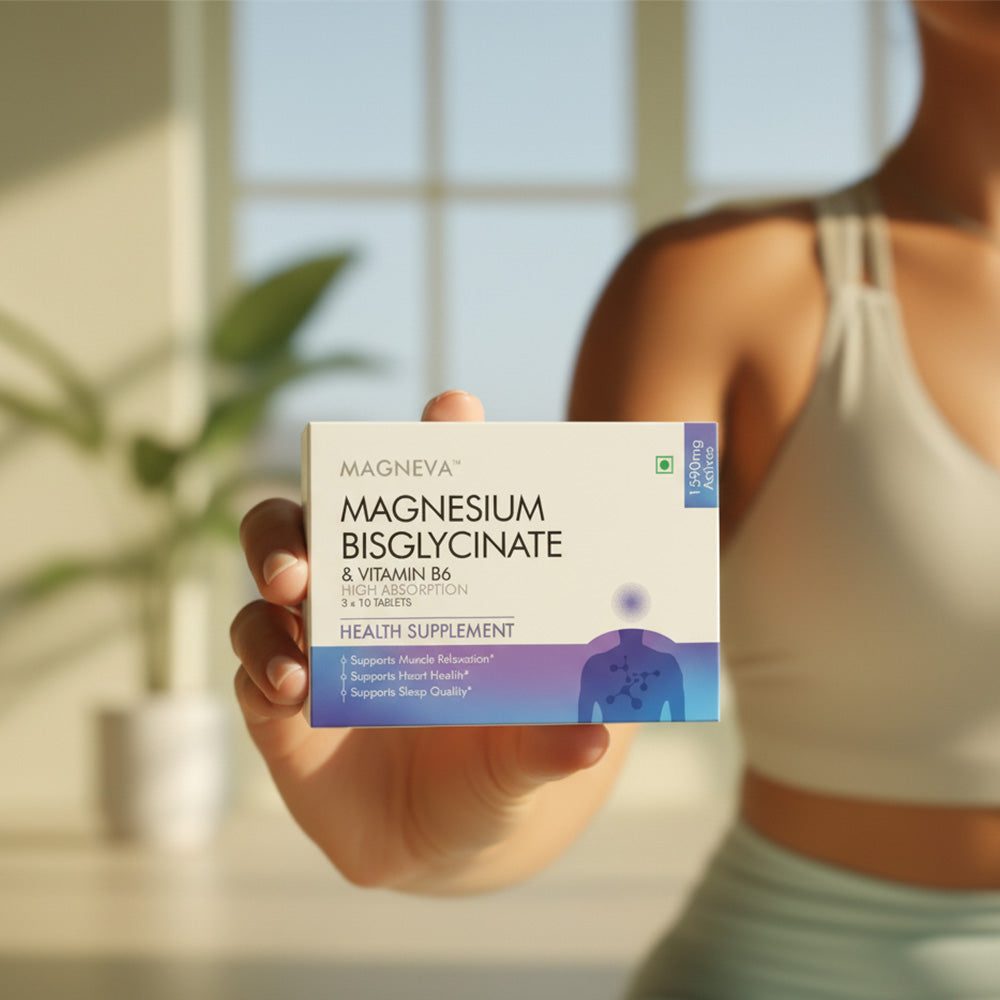
For fuller lists, see Magnesium Rich Foods and Zinc Rich Foods. Magnesium and vitamin B6 are often paired in supplements; Magneva, for example, contains 1.9 mg vitamin B6 alongside 350 mg of elemental magnesium per tablet; 350 mg is the NIH upper limit for magnesium from supplements, so it should not be combined with other magnesium supplements. To learn what magnesium itself does, read Magnesium Glycinate Benefits.
Can you get too much vitamin B6?
Not from food: the NIH notes that high intakes of vitamin B6 from food have not been reported to cause harm. The risk comes from high-dose supplements taken for a long time.
- Nerve damage: long-term use of 1–6 g a day of pyridoxine has caused severe sensory neuropathy (nerve damage that affects feeling and coordination), and some reports describe it at doses below 500 mg a day. Symptoms usually improve after the supplement is stopped.
- Two different upper limits: the US upper limit for adults is 100 mg a day. In 2023 the European Food Safety Authority (EFSA) set a much lower adult upper limit of 12 mg a day, including in pregnancy and breastfeeding, based on peripheral neuropathy. EFSA noted that people are unlikely to exceed it except through regular use of supplements.
- Check every label: B-complex products, multivitamins and some combination supplements also contain vitamin B6. Add up the vitamin B6 from every product you take.
- Medicines: high-dose B6 may lower blood levels of the anti-seizure medicines phenytoin and phenobarbital. If you take regular medicines, ask your doctor before taking any B6 supplement.
Low vitamin B6 on its own is uncommon. The NIH lists people with kidney disease, malabsorption or autoimmune conditions such as coeliac disease and rheumatoid arthritis, and alcohol dependence as more likely to fall short. If that applies to you, talk to your doctor rather than starting a high-dose supplement.
Frequently asked questions
Which food is highest in vitamin B6?
Among everyday foods, fish such as tuna, chicken and liver are among the richest. For vegetarians, pistachios and sunflower seeds are the most concentrated sources, while potatoes, bananas and pulses add useful amounts in normal portions.
Which fruit is rich in vitamin B6?
Banana is the stand-out common fruit, at about 0.4 mg in a medium banana. Most other fruits contain smaller amounts.
Do vegetarians get enough vitamin B6?
Usually, yes. Pulses, potatoes, bananas, nuts and seeds can meet the ICMR-NIN RDA, as the sample day above shows.
Is it safe to take vitamin B6 every day?
From food, yes. For supplements, choose low doses and stay well within the upper limits above unless a doctor advises otherwise. Stop and see a doctor if you notice numbness or tingling.
References
- ICMR-National Institute of Nutrition. Nutrient Requirements for Indians: Recommended Dietary Allowances and Estimated Average Requirements, a brief note. 2020. nin.res.in
- National Institutes of Health, Office of Dietary Supplements. Vitamin B6: Fact Sheet for Health Professionals. ods.od.nih.gov
- EFSA Panel on Nutrition, Novel Foods and Food Allergens (NDA), Turck D, Bohn T, et al. Scientific opinion on the tolerable upper intake level for vitamin B6. EFSA Journal. 2023;21(5):8006. doi:10.2903/j.efsa.2023.8006
- Longvah T, Ananthan R, Bhaskarachary K, Venkaiah K. Indian Food Composition Tables 2017. National Institute of Nutrition (ICMR), Hyderabad. nin.res.in
- US Department of Agriculture. FoodData Central (SR Legacy). fdc.nal.usda.gov
- Commission Regulation (EU) No 432/2012 establishing a list of permitted health claims made on foods. legislation.gov.uk
This article is for general education and is not medical advice. Food supplements are not intended to diagnose, treat, cure or prevent any disease. Consult a qualified healthcare professional before starting any supplement, particularly if you are pregnant, breastfeeding, have a medical condition or take medication.