Medically reviewed by Dr. Reina Punj, MBBS, PG Diploma in Endocrinology (University of South Wales), Lead Physician, Excelgenics Clinical Panel.
The main pumpkin seeds benefits come from their nutrients: a small handful (about 28 g) of pumpkin seeds (kaddu ke beej) provides roughly 166 mg of magnesium, 8.5 g of protein, 2.2 mg of zinc and 2.5 mg of iron. That makes them one of the most concentrated vegetarian sources of magnesium and zinc in an Indian kitchen. They are also calorie-dense, at about 157 kcal per handful, so the portion matters as much as the habit.
This guide gives full nutrition information for pumpkin seeds per 28 g and per 100 g, explains what pumpkin seeds and magnesium have to do with each other, covers pumpkin seeds benefits for female and male readers in terms of nutrient needs, and shows how to eat pumpkin seeds safely.
Nutrition information: pumpkin seeds per 28 g and per 100 g
Figures below are for dried, shelled pumpkin seed kernels (the green seeds sold in packets), from USDA FoodData Central. The Indian Food Composition Tables (IFCT 2017) do not list pumpkin seeds, so USDA values are used. The last column compares the 28 g amount with the ICMR-NIN 2020 recommended dietary allowance (RDA) for Indian adults.
| Nutrient | Per 100 g | Per 28 g (a small handful) | Share of ICMR-NIN 2020 RDA per 28 g |
|---|---|---|---|
| Energy | 559 kcal | 157 kcal | – |
| Protein | 30.2 g | 8.5 g | About 16% (men) and 19% (women) |
| Total fat | 49 g | 13.7 g | – |
| Fibre | 6.0 g | 1.7 g | – |
| Magnesium | 592 mg | 166 mg | About 38% (men) and 45% (women) |
| Zinc | 7.8 mg | 2.2 mg | About 13% (men) and 17% (women) |
| Iron | 8.8 mg | 2.5 mg | About 13% (men) and 9% (women) |
Most of the fat is unsaturated: per 100 g, about 21 g is polyunsaturated (mainly omega-6 linoleic acid) and about 16 g monounsaturated. Values vary with variety and processing, so treat them as a guide.
Pumpkin seeds protein per 100 g
Pumpkin seeds contain about 30 g of protein per 100 g, which is high for a plant food. In practice nobody eats 100 g at a time. A 28 g handful gives about 8.5 g, a useful addition alongside dal, curd, paneer or eggs rather than a replacement for them. The ICMR-NIN 2020 protein RDA for adults is 0.83 g per kg of body weight a day.
Pumpkin seeds and magnesium
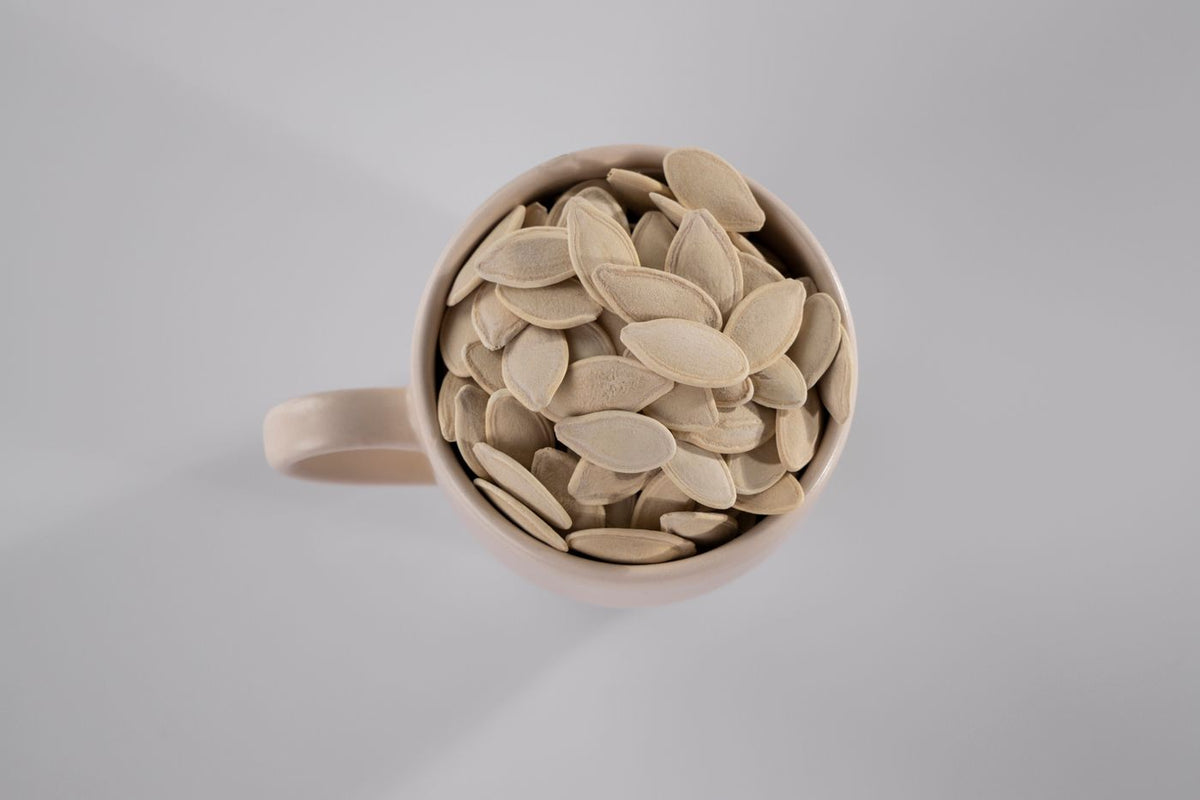
Searches for pumpkin seeds magnesium are common for a good reason. Weight for weight, pumpkin seeds are among the richest food sources of magnesium. The NIH Office of Dietary Supplements lists 156 mg of magnesium in 1 ounce (about 28 g) of roasted pumpkin seeds, so even 1 tbsp (about 10 g) of roasted seeds adds roughly 55 mg. The ICMR-NIN 2020 RDA for magnesium is 440 mg a day for men and 370 mg for women.
Magnesium has several authorised functions under EU rules. Magnesium contributes to normal functioning of the nervous system, magnesium contributes to normal psychological function, magnesium contributes to normal muscle function and magnesium contributes to a reduction of tiredness and fatigue. These describe what the mineral does in the body; they are not promises that pumpkin seeds will change how you sleep or feel.
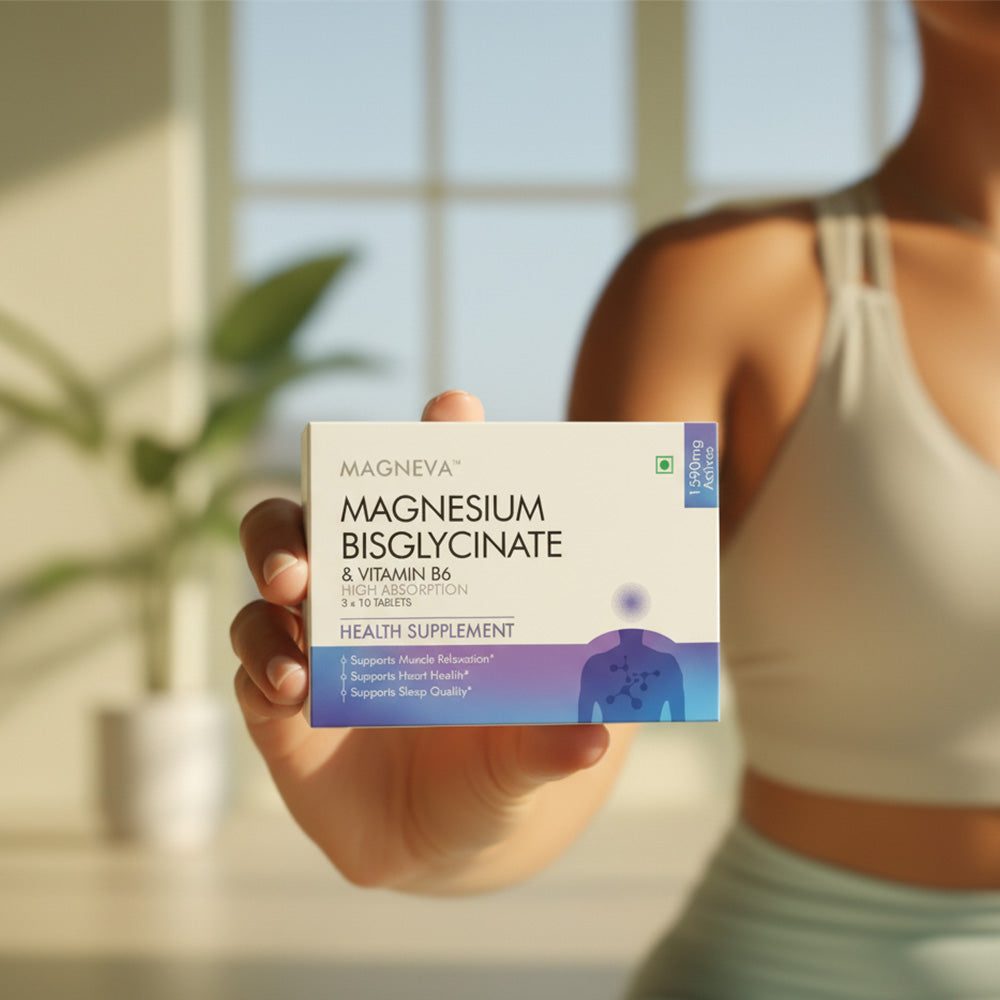
For more foods, see our magnesium rich foods list. If you are thinking about a supplement, our Magnesium Supplements Guide explains forms and limits. Magneva provides 350 mg of magnesium per tablet, which equals the NIH upper limit for magnesium from supplements, so do not combine it with other magnesium supplements, and ask your doctor first if you have kidney disease or take regular medicines. Magnesium from food does not count towards that limit.
Zinc and iron in pumpkin seeds
Pumpkin seeds are one of the most concentrated vegetarian sources of zinc, at about 7.8 mg per 100 g. Under EU-authorised wording, zinc contributes to the normal function of the immune system and zinc contributes to the maintenance of normal skin. They also supply non-haem iron, and iron contributes to normal formation of red blood cells and haemoglobin.
Plant foods such as seeds, nuts and whole grains contain phytates, which bind zinc and reduce how much is absorbed. Pairing seeds with a varied diet of pulses, grains and dairy helps. Our zinc rich foods and iron rich foods guides show how pumpkin seeds fit into a full day.
Pumpkin seeds benefits for female and male readers
The seeds themselves are the same for everyone; what differs is what your body needs. Using the ICMR-NIN 2020 RDAs:
- Pumpkin seeds benefits for female readers: women need more iron than men (29 mg a day compared with 19 mg), largely because of monthly blood loss. A handful of pumpkin seeds adds about 2.5 mg of iron, along with 166 mg of magnesium, which is about 45% of the women's RDA of 370 mg.
- Pumpkin seeds benefits for male readers: men need more zinc (17 mg a day compared with 13 mg for women) and more magnesium (440 mg compared with 370 mg). A handful gives about 2.2 mg of zinc and roughly 38% of the men's magnesium RDA.
You may see claims online about pumpkin seeds and hormones, fertility or the prostate. Those are not reasons to eat them, and nothing here should replace medical advice for a health concern.
How to eat pumpkin seeds
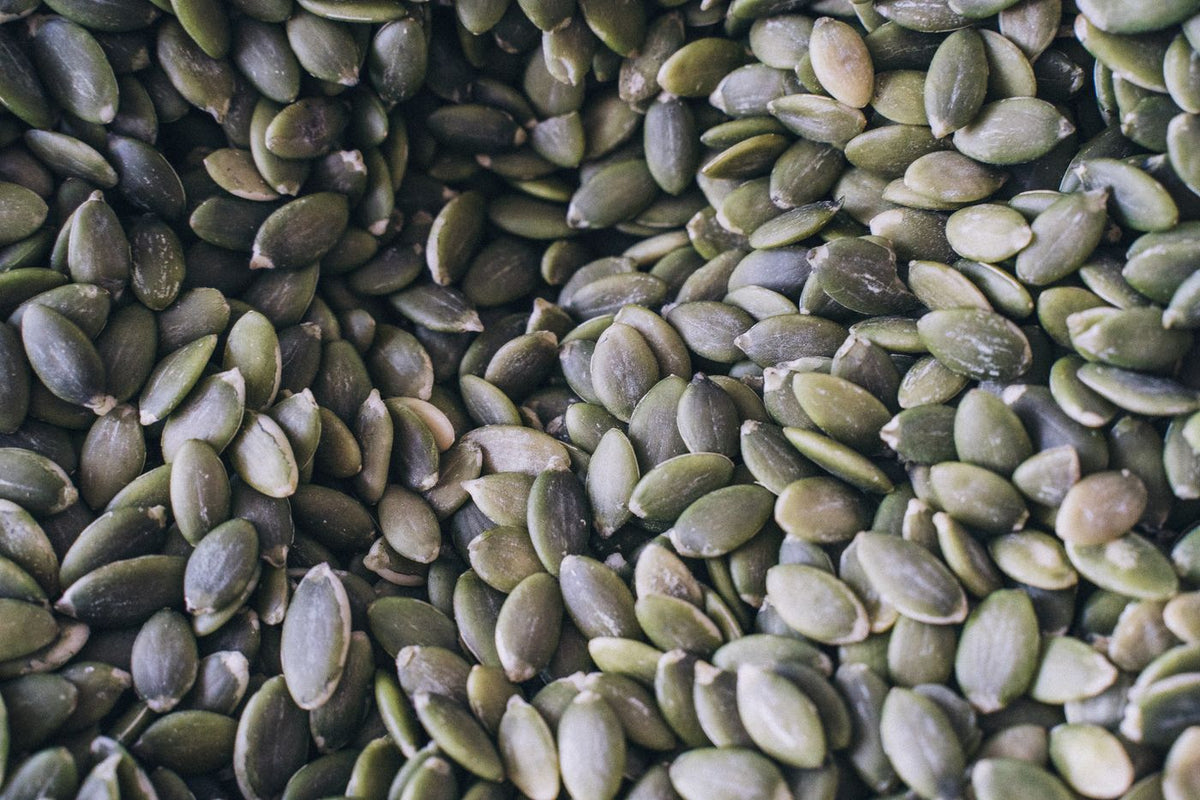
Pumpkin seeds have a mild, nutty taste and fit easily into Indian meals:
- Dry-roast at home: toast raw kernels in a kadhai or tawa on low heat, stirring, for a few minutes until they puff slightly and smell nutty. Let them cool before storing in an airtight jar.
- Sprinkle: add a spoonful to poha, upma, raita, salads, chaat or a bowl of curd and fruit.
- Blend or grind: stir into chutneys, a breakfast smoothie, or a seed mix for chilla batter.
- Mix: combine with sunflower seeds, makhana and a few almonds for a homemade trail mix.
How much is enough?
ICMR-NIN's "My Plate for the Day" suggests about 30 g of nuts and seeds a day in total on a 2,000 kcal diet. That means a 28 g handful of pumpkin seeds already uses most of the day's allowance. If you also eat almonds, peanuts or other seeds, 1 to 2 tbsp of pumpkin seeds is a more realistic daily amount.
Safety and the calorie-density note
- Calories add up quickly: about 157 kcal per 28 g, mostly from fat. Measure a portion into a bowl rather than eating from the packet.
- Salt: many shop-bought roasted seeds are salted or masala-coated. Choose unsalted or lightly salted versions and check the label for sodium.
- Allergy: seed allergies, including to pumpkin seeds, can happen and reactions range from mild to severe. Anyone with a known seed allergy should avoid them and follow their allergy specialist's advice.
- Kidney disease: pumpkin seeds are high in phosphorus (about 1,233 mg per 100 g) and potassium (about 809 mg per 100 g). If you have been advised to limit these minerals, ask your doctor or dietitian how much is suitable.
Frequently asked questions
Can I eat pumpkin seeds every day?
Yes, most people can eat a modest portion daily as part of a varied diet. Keep within about 30 g of nuts and seeds in total a day, choose unsalted versions, and avoid them if you have a seed allergy.
Should pumpkin seeds be eaten raw or roasted?
Both are fine. Raw kernels and dry-roasted seeds have broadly similar nutrients. Roasting improves flavour and crunch; just avoid heavy salt or oil.
Are pumpkin seeds better than sunflower seeds?
Neither is better overall. Pumpkin seeds give more magnesium, zinc, iron and protein per handful, while sunflower seeds give far more vitamin E and selenium. See our sunflower seeds benefits guide for a side-by-side table.
Is there a right time to eat pumpkin seeds?
There is no special time. What matters is the total amount you eat over the day, so add them wherever they suit your meals, such as breakfast poha or an evening snack.
References
- ICMR-National Institute of Nutrition. A brief note on nutrient requirements for Indians, the Recommended Dietary Allowances (RDA) and the Estimated Average Requirements (EAR). 2020. nin.res.in
- Hemalatha R, Laxmaiah A, Sriswan MR, Boiroju NK, Radhakrishna KV. What India Eats. ICMR-National Institute of Nutrition. nin.res.in
- U.S. Department of Agriculture, Agricultural Research Service. FoodData Central: Seeds, pumpkin and squash seed kernels, dried (FDC ID 170556). fdc.nal.usda.gov
- NIH Office of Dietary Supplements. Magnesium: Fact Sheet for Health Professionals. ods.od.nih.gov
- NIH Office of Dietary Supplements. Zinc: Fact Sheet for Health Professionals. ods.od.nih.gov
- Australasian Society of Clinical Immunology and Allergy (ASCIA). Seed allergy: fast facts. allergy.org.au
- European Commission. Commission Regulation (EU) No 432/2012 establishing a list of permitted health claims made on foods. eur-lex.europa.eu
This article is for general education and is not medical advice. Food supplements are not intended to diagnose, treat, cure or prevent any disease. Consult a qualified healthcare professional before starting any supplement, particularly if you are pregnant, breastfeeding, have a medical condition or take medication.