Medically reviewed by Dr. Reina Punj, MBBS, PG Diploma in Endocrinology (University of South Wales), Lead Physician, Excelgenics Clinical Panel.
Few foods contain much vitamin D. The main vitamin D rich foods are oily fish such as hilsa (ilish) and Indian oil sardine (mathi, tarli), egg yolk (ande ki zardi), mushrooms exposed to UV light, and fortified foods such as fortified milk and edible oil. For most people in India, sunlight on the skin is the main source of vitamin D, and food only tops it up.
This guide gives a list of vitamin D rich foods with amounts per realistic Indian portion, honest options for vegetarians and vegans, how much you need under the ICMR-NIN 2020 guidance, what affects how much vitamin D you make from sunlight, and when to ask a doctor about a test.
How much vitamin D do you need?
The ICMR-NIN 2020 recommended dietary allowance (RDA) for Indian adults is 600 IU (15 micrograms, µg) a day for both men and women, with an estimated average requirement (EAR) of 400 IU (10 µg). One microgram of vitamin D equals 40 IU.
Under EU-authorised wording, vitamin D contributes to normal absorption/utilisation of calcium and phosphorus, vitamin D contributes to the maintenance of normal bones and vitamin D contributes to the maintenance of normal muscle function.
Low vitamin D is common in India. ICMR-NIN's 2024 dietary guidelines report figures from the Comprehensive National Nutrition Survey (CNNS) showing vitamin D deficiency in about 14% of children aged 1–4, 18% aged 5–9 and 24% of adolescents aged 10–19.
List of vitamin D rich foods: an Indian table
Fish and egg values are from the Indian Food Composition Tables (IFCT 2017), per 100 g of raw edible portion unless stated. Fortified milk and oil are calculated from the FSSAI fortification standard. The other foods are from the US values (USDA FoodData Central) given by the NIH Office of Dietary Supplements (ODS).
| Food | Typical portion | Vitamin D (µg) | % of ICMR RDA (15 µg) |
|---|---|---|---|
| Mushrooms exposed to UV light (labelled) | ½ cup | 9.2 | about 60% |
| Hilsa (ilish, palla) | 100 g | 6.0 | 40% |
| Indian oil sardine (mathi, tarli) | 100 g | 3.5 | about 23% |
| Country hen (desi) eggs, boiled | 100 g (2–3 eggs) | 3.0 | 20% |
| Black pomfret (halwa) | 100 g | 2.9 | about 20% |
| Fortified plant milk (soy, almond or oat) | 1 glass (200 ml) | 2.1–3.0 | 14–20% |
| Catla (katla) | 100 g | 2.1 | 14% |
| Fortified breakfast cereal | 1 serving (check the label) | 2.0 | about 13% |
| Fortified edible oil | 1 tbsp (about 14 g) | 1.5–2.2 | 10–15% |
| Prawns (jhinga), tiger | 100 g | 1.6 | about 11% |
| Fortified toned milk (doodh) | 1 glass (200 ml) | 1.0–1.5 | 7–10% |
| Rohu (rui) | 100 g | 1.0 | about 7% |
| Hen's eggs (anda), farm, boiled | 100 g (about 2 eggs) | 0.7 | about 5% |
| Indian mackerel (bangda, ayala) | 100 g | 0.5 | about 3% |
Values vary a great deal between samples and food tables. US tables, for example, list 14.2 µg in 85 g of cooked sockeye salmon, while the IFCT measured under 1 µg per 100 g in salmon sold in India. In the egg, the vitamin D is in the yolk: IFCT lists about 3 µg per 100 g of boiled yolk, against 0.7 µg for the whole farm egg. Even a portion of hilsa provides less than half the RDA, which is why sunlight matters so much.
Vitamin D rich foods vegetarian: what realistically helps
Plain dairy contributes little: IFCT 2017 lists paneer at about 0.1 µg per 100 g. Vegetarians have four realistic food routes:
- Fortified milk: under the FSSAI Fortification of Foods Regulations, 2018, fortified toned, double-toned, skimmed and standardised milk must contain 5–7.5 µg of vitamin D per litre. That is 1.0–1.5 µg per glass. Not all milk is fortified, so look for "fortified with vitamins A and D" and the FSSAI fortification logo on the packet.
- Fortified edible oil: fortified vegetable oil must contain 0.11–0.16 µg per gram, or about 1.5–2.2 µg per tablespoon. Check the label, and keep your total oil use moderate.
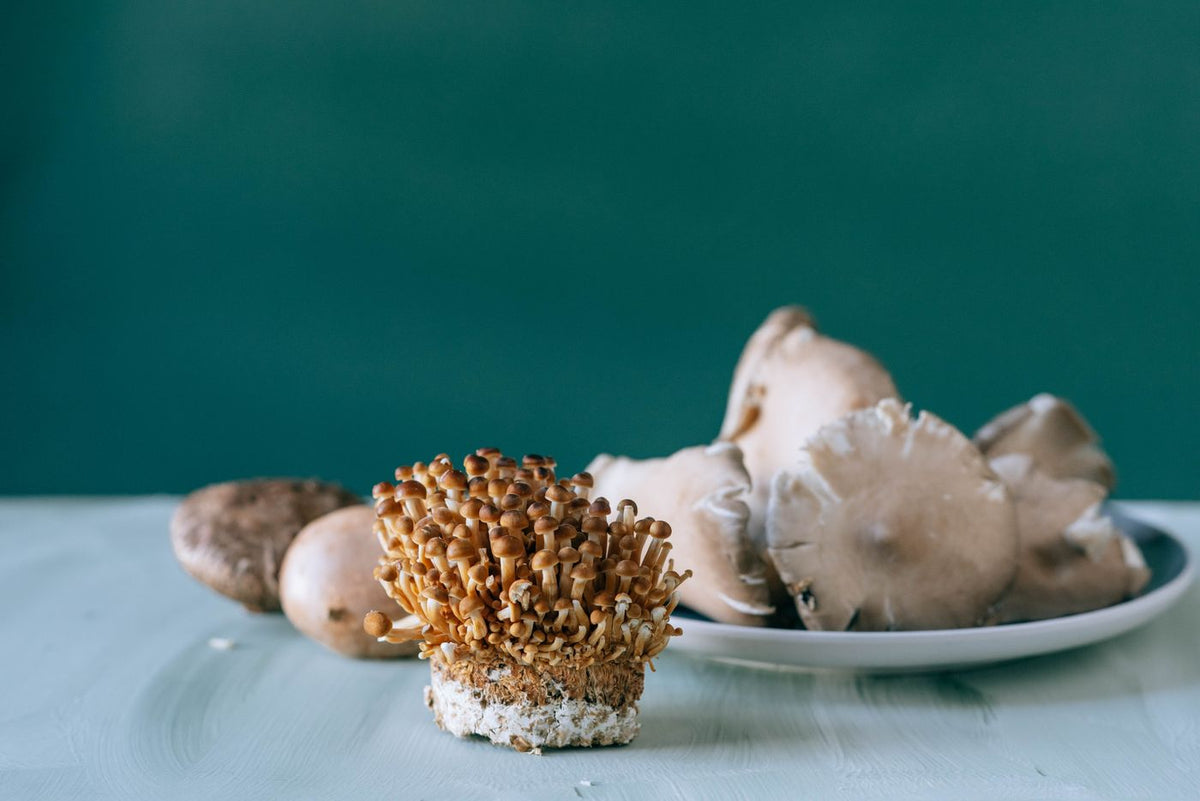
- UV-exposed mushrooms: NIH notes that mushrooms provide variable amounts of vitamin D2, and that some are treated with UV light to raise their levels. NIH lists 9.2 µg in ½ cup of UV-exposed white mushrooms, against only 0.1 µg in ½ cup of raw portabella mushrooms. Unless the pack says UV-treated, don't assume a high value.
- Eggs, if you eat them: the yolk is where the vitamin D is.
Vitamin D rich foods vegan
Vegans can use fortified oil, UV-exposed mushrooms, and fortified plant milks or cereals. NIH lists 2.5–3.6 µg in a cup of fortified soy, almond or oat milk and about 2 µg in a serving of fortified cereal. Amounts depend on the brand, so read the nutrition panel.
What about vitamin D rich foods and vegetables or fruit? NIH lists broccoli, carrots, apples, bananas, almonds, lentils, brown rice and whole wheat bread as containing essentially none.
Sunlight: the main source, and what affects it
Your skin makes vitamin D when it is exposed to the sun's UVB rays. ICMR-NIN's dietary guidelines state that adequate sunlight exposure is essential to meet vitamin D requirements, and its sample diet plan for pregnant women advises at least 15 minutes of direct sunlight. NIH notes that some researchers suggest about 5–30 minutes of sun on the face, arms, hands and legs, particularly between 10 a.m. and 4 p.m., but needs vary from person to person.
According to NIH, how much vitamin D you make depends on:
- Season, time of day and day length
- Cloud cover and smog: both reduce UVB, which matters in polluted cities
- Skin colour: darker skin makes less vitamin D from the same exposure
- Age: older adults make less
- Sunscreen: reduces how much UVB reaches the skin
- Glass: UVB does not pass through window glass, so sitting by a sunny window does not help
NIH also warns that UV radiation causes skin cancer, so avoid sunburn and don't use tanning beds. For safe sun and bone health, see bone density: why strong bones matter at every age.
Calcium and vitamin D rich foods
Vitamin D and calcium work together for bones, so foods that supply both are useful:
- Fortified milk: a glass gives about 240 mg of calcium plus 1.0–1.5 µg of vitamin D.
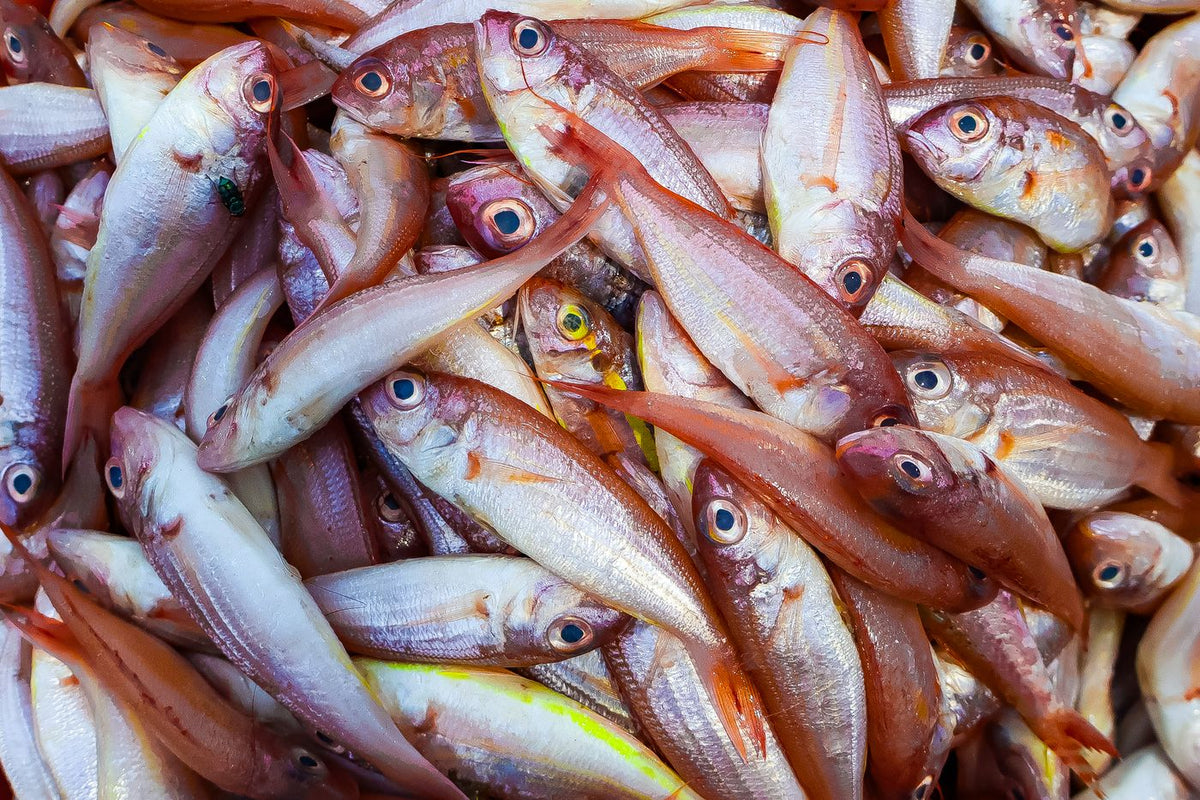
- Small fish eaten with their bones: canned sardines eaten with their bones have about 325 mg of calcium per 85 g, and Indian oil sardine has about 3.5 µg of vitamin D per 100 g.
For more calcium sources, including ragi, til and curd, see our calcium rich foods guide. You'll find other bone and joint topics in our joint and mobility section.
Vitamin D deficiency food: who is at risk, and getting tested
Food cannot correct a deficiency on its own. NIH lists these groups as more likely to have low vitamin D:
- breastfed infants
- older adults
- people who get little sun
- people with darker skin
- people with conditions that limit fat absorption
- people with obesity or who have had gastric bypass surgery
Older adults can read our guide to healthy ageing. Vitamin D status is checked with a blood test for 25-hydroxyvitamin D, which NIH describes as the main indicator of vitamin D status. Ask your doctor whether you need this test; if your level is low, your doctor will advise on treatment. Don't take high-dose vitamin D on your own: NIH notes that vitamin D toxicity almost always results from taking too much in supplements, and that experts do not believe too much sun causes it.
Frequently asked questions
Which food is highest in vitamin D?
Among everyday foods, oily fish and UV-exposed mushrooms provide the most per portion. Among the fish in the Indian food tables, hilsa has the most, at about 6 µg per 100 g.
Which vegetarian food is rich in vitamin D?
Very few. UV-exposed mushrooms, fortified milk, fortified oil and fortified plant milks or cereals are the realistic options, and eggs for eggetarians. Sunlight remains the main source.
Do fruits have vitamin D?
No. Fruit and vegetables contain essentially no vitamin D.
Can you get enough vitamin D from food alone?
It is hard. Even 100 g of hilsa gives under half the ICMR RDA of 15 µg, so most people rely on sunlight as well. If you rarely get sun, ask your doctor about testing.
References
- ICMR-National Institute of Nutrition. A brief note on nutrient requirements for Indians, the Recommended Dietary Allowances (RDA) and the Estimated Average Requirements (EAR). 2020. nin.res.in
- ICMR-National Institute of Nutrition. Dietary Guidelines for Indians. 2024. nin.res.in
- Longvah T, Ananthan R, Bhaskarachary K, Venkaiah K. Indian Food Composition Tables 2017. ICMR-National Institute of Nutrition, Hyderabad. nin.res.in
- NIH Office of Dietary Supplements. Vitamin D: Fact Sheet for Health Professionals. ods.od.nih.gov
- NIH Office of Dietary Supplements. Calcium: Fact Sheet for Health Professionals. ods.od.nih.gov
- Food Safety and Standards Authority of India. Food Safety and Standards (Fortification of Foods) Regulations, 2018, Schedule I. fssai.gov.in
- European Commission. Commission Regulation (EU) No 432/2012 establishing a list of permitted health claims made on foods. eur-lex.europa.eu
This article is for general education and is not medical advice. Food supplements are not intended to diagnose, treat, cure or prevent any disease. Consult a qualified healthcare professional before starting any supplement, particularly if you are pregnant, breastfeeding, have a medical condition or take medication.