Medically reviewed by Dr. Reina Punj, MBBS, PG Diploma in Endocrinology (University of South Wales), Lead Physician, Excelgenics Clinical Panel.
Vitamin B12 rich foods are almost all animal foods: shellfish such as clams, liver (kaleji), fish, meat, eggs (anda) and dairy foods such as milk (doodh), curd (dahi) and cheese. Plant foods do not naturally contain vitamin B12, so for vegetarians in India the realistic sources are milk, curd, paneer, eggs if you eat them, and fortified foods, while vegans need fortified foods. Spirulina, mushrooms and fermented foods are not reliable sources.
This guide gives an Indian table of vitamin B12 rich foods with amounts per realistic portion, an honest section on vitamin B12 rich foods for vegetarians and vegans, how much you need under the ICMR-NIN 2020 guidance, and who should ask a doctor about a B12 test.
How much vitamin B12 do you need?
The ICMR-NIN 2020 recommended dietary allowance (RDA) for Indian adults is 2.2 micrograms (µg) a day for both men and women, with an estimated average requirement (EAR) of 2.0 µg. This is higher than the 1 µg set in 2010. For comparison, the US RDA for adults is 2.4 µg, rising to 2.6 µg in pregnancy and 2.8 µg during breastfeeding, and the European Food Safety Authority (EFSA) sets an adequate intake of 4 µg a day for adults. ICMR-NIN's 2024 dietary guidelines say that B12 deserves special attention in pregnancy and breastfeeding.
Under EU-authorised wording, vitamin B12 contributes to normal red blood cell formation, vitamin B12 contributes to normal functioning of the nervous system and vitamin B12 contributes to the reduction of tiredness and fatigue.
Vitamin B12 rich foods: an Indian table
Indian food composition tables (IFCT 2017) do not list vitamin B12, so these amounts are US values, scaled to typical Indian portions. Milk, curd and chicken liver are calculated from USDA FoodData Central per 100 g; the other foods use the values given by the NIH Office of Dietary Supplements (ODS), which also come from USDA. Indian milk and fish may differ.
| Food | Typical portion | Vitamin B12 (µg) | % of ICMR RDA (2.2 µg) |
|---|---|---|---|
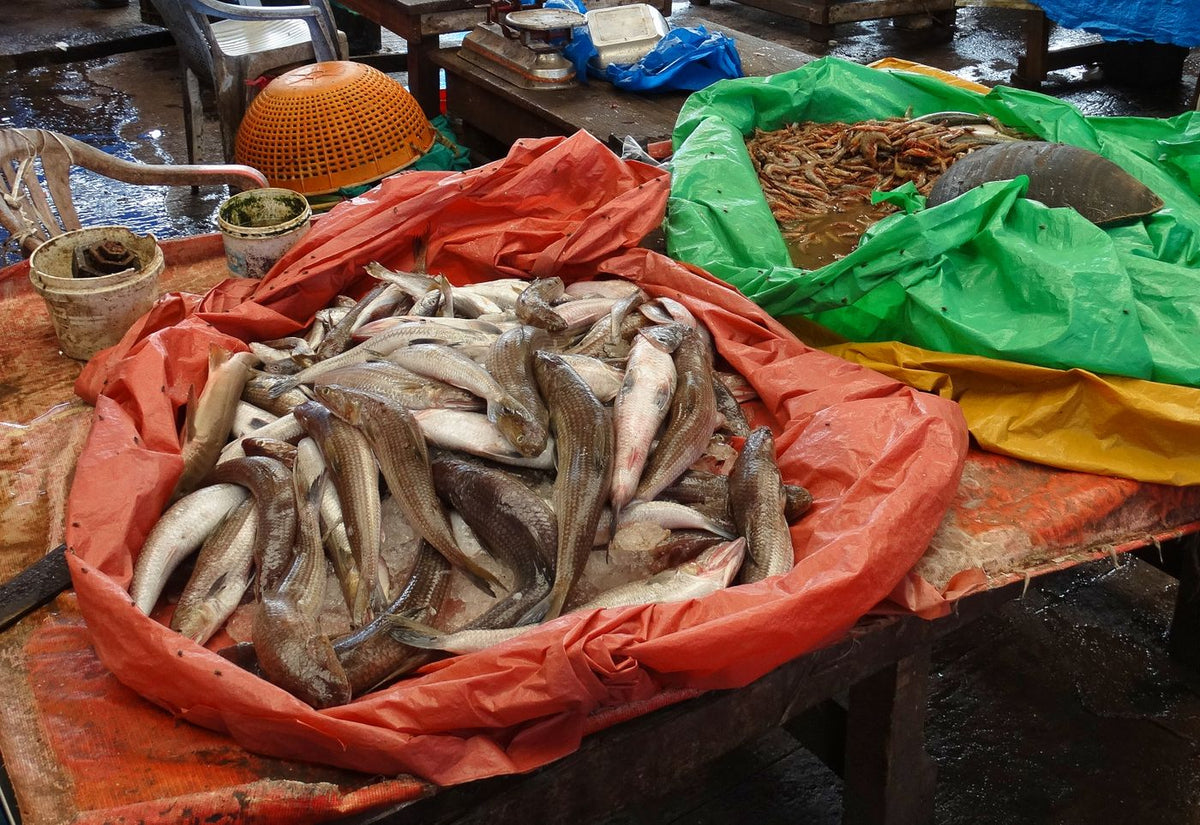
| Clams (tisrya), cooked | 85 g | 17 | over 700% |
| Chicken liver (kaleji), cooked | 85 g | 14.4 | over 600% |
| Salmon, cooked | 100 g (1 piece) | 3.1 | about 140% |
| Tuna, canned in water | 100 g | 2.9 | about 130% |
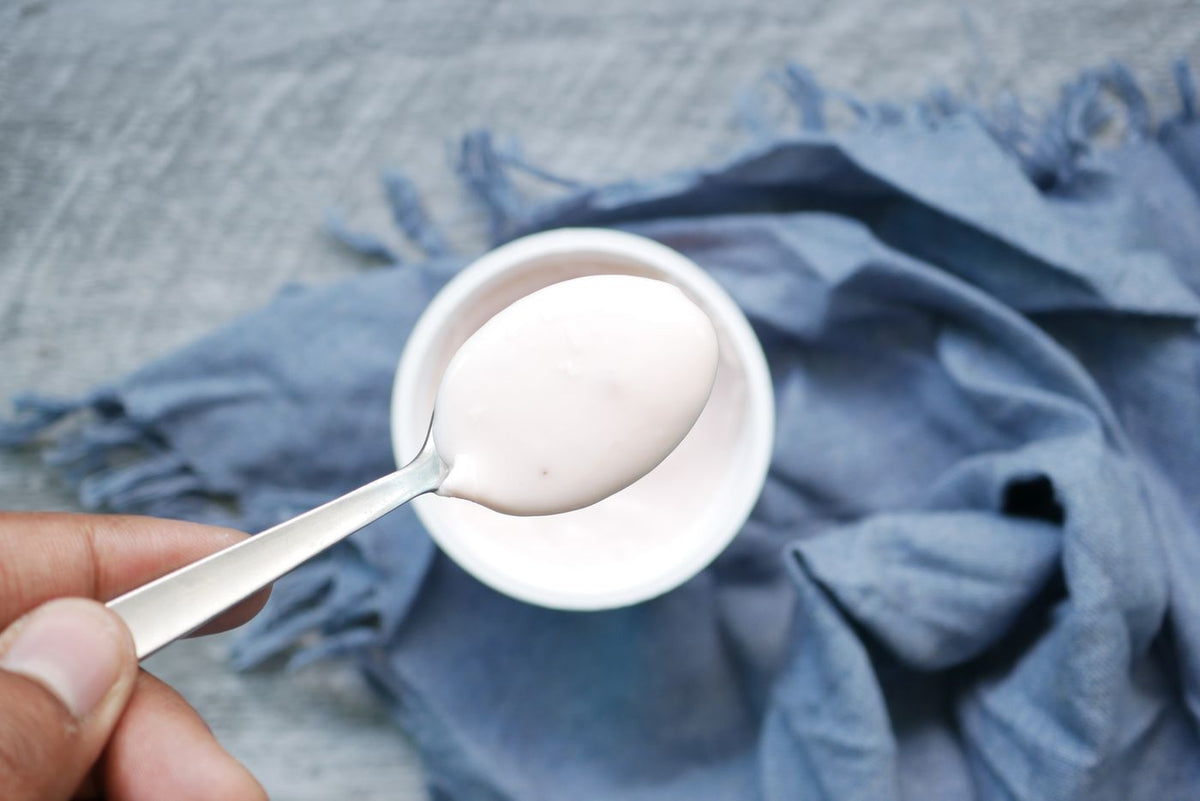
| Milk (doodh), cow's, whole | 1 glass (200 ml) | 0.9 | about 40% |
| Eggs (anda), whole, cooked | 2 large eggs (about 100 g) | 1.0 | about 45% |
| Curd (dahi), whole milk | 1 katori (about 150 g) | 0.6 | about 25% |
| Fortified breakfast cereal | 1 serving (check the label) | 0.6 | about 25% |
| Cheese, cheddar | 1 slice (about 20 g) | 0.2 | about 10% |
| Dal, rajma, palak, banana, wheat roti | any portion | 0 | 0% |
Liver is very rich: USDA lists 16.9 µg per 100 g of cooked chicken liver, or about 14 µg in an 85 g portion. No figure for goat (mutton) liver is available in these sources. Poultry meat contains much less than fish or liver: NIH lists 0.3 µg in 85 g of roasted turkey breast. No reliable figure for paneer is available in IFCT 2017 or the NIH table, so it is not shown, but like cheese it is a dairy food.
Vitamin B12 rich foods for vegetarians
If you are vegetarian, dairy does most of the work. ICMR-NIN's dietary guidelines note that milk has a small amount of B12 and that B12 can come from curd and flesh foods. Two everyday portions go a good way towards your daily need:
- 1 glass of milk (about 0.9 µg)
- 1 katori of curd (about 0.6 µg)
Together these give about 1.5 µg, around two-thirds of the ICMR RDA. A second glass of milk (about 0.9 µg) or, if you eat eggs, two eggs (about 1.0 µg) takes the day above 2.2 µg.
Two points help you get more from these foods:
- Dairy B12 is well absorbed. NIH notes that the bioavailability of vitamin B12 appears to be about three times higher in dairy products than in meat, fish and poultry.
- Spread it across the day. The body can absorb only a limited amount at a time. NIH notes that absorption drops sharply once about 1–2 µg is eaten at once, so milk in the morning and curd at lunch or dinner is a sensible pattern.
Vegetarian diets in India can be short of other nutrients too. See our guides to iron rich foods and protein rich foods.
Vitamin B12 rich foods for vegans
NIH states that plant foods have no vitamin B12 unless they are fortified. That leaves vegans with fortified foods:
- Fortified breakfast cereals: about 0.6 µg per serving in the NIH example, but amounts vary, so read the label.
- Fortified nutritional yeast: NIH lists 8.3–24 µg in about a quarter cup. It is not common in Indian kitchens.
- Other fortified products: some packaged foods list "vitamin B12" or "cyanocobalamin" in the ingredients. Check the nutrition panel for the amount per serving.
NIH lists vegans among the groups at risk of B12 deficiency. If you are vegan, ask your doctor or a dietitian how to cover B12.
Vitamin B12 rich foods in vegetables? Plant foods that are not reliable
People often search for vitamin B12 rich foods in vegetables, fruit or dal. The honest answer is that there aren't any. NIH lists spinach, kidney beans (rajma), bananas, strawberries and whole wheat bread at zero, and EFSA states that cobalamin (vitamin B12) is not a normal part of commonly eaten plant foods. Several foods are often promoted as plant sources, but they are not reliable:
- Spirulina: a 2014 review in Nutrients found that spirulina and similar blue-green algae products often contain large amounts of pseudovitamin B12, which is biologically inactive in humans, and concluded that they are not suitable B12 sources for vegetarians.
- Fermented foods: EFSA notes that plant foods contain B12 only when microbes have produced it during fermentation. The same review found that tempeh varies widely, while foods such as kimchi have only traces. NIH lists ½ cup of tempeh at just 0.1 µg. Indian food tables do not list B12 for idli, dosa or dhokla, so don't count on them.
- Mushrooms: the review found that dried shiitake varies a lot (1.3–12.7 µg per 100 g dried) and estimated that you would need about 50 g of dried shiitake a day, which is not practical. Other mushrooms had zero or trace amounts.
The same review considered dried purple laver (nori, a seaweed) the most promising plant option, but it is rarely eaten in India.
Food for B12 deficiency: who is at risk, and why to get tested
Food helps you meet your daily needs, but it is not a treatment. If you think you may be low in B12, see a doctor rather than relying on diet changes.
B12 deficiency is not rare in India. ICMR-NIN's 2024 dietary guidelines report figures from the Comprehensive National Nutrition Survey (CNNS): about 14% of children aged 1–4, 17% aged 5–9 and 31% of adolescents aged 10–19 had B12 deficiency.
According to NIH, people more likely to be low in B12 include:
- vegetarians and vegans
- babies of mothers who are strictly vegetarian or vegan and breastfeed
- older adults, many of whom make less stomach acid
- people with atrophic gastritis or pernicious anaemia
- people with coeliac disease or Crohn's disease, or who have had stomach or intestinal surgery
NIH also notes that some medicines, including metformin and acid-reducing medicines, can reduce how much B12 the body absorbs.
NIH lists these possible signs:
- tiredness and weakness
- pale skin
- numbness or tingling in the hands and feet
- a sore tongue
Nerve symptoms can appear without anaemia, and symptoms can take years to develop. Tiredness has many causes; see energy and fatigue: causes and natural boosters. If any of these apply to you, ask your doctor about a B12 blood test. If your level is low, your doctor will decide on treatment and follow-up. For a related B vitamin, see vitamin B6 rich foods.
Frequently asked questions
Which vegetarian food is rich in vitamin B12?
Milk and curd are the main everyday sources: a glass of milk and a katori of curd together give about 1.5 µg. Eggs, cheese, paneer and fortified foods also contribute.
Is paneer rich in vitamin B12?
Paneer is a dairy food, but no reliable B12 figure for it is available in IFCT 2017 or the NIH food tables. Count milk and curd as your main sources, and treat paneer as an extra.
Does spirulina contain vitamin B12?
Spirulina contains mostly pseudovitamin B12, which is inactive in humans, so it is not a reliable source.
Which fruit has vitamin B12?
None. Fruit, vegetables, dals and grains do not naturally contain B12.
Is food enough if my B12 is low?
That depends on the cause and how low your level is. Some people cannot absorb B12 well from food, so let your doctor test you and decide.
References
- ICMR-National Institute of Nutrition. A brief note on nutrient requirements for Indians, the Recommended Dietary Allowances (RDA) and the Estimated Average Requirements (EAR). 2020. nin.res.in
- ICMR-National Institute of Nutrition. Dietary Guidelines for Indians. 2024. nin.res.in
- NIH Office of Dietary Supplements. Vitamin B12: Fact Sheet for Health Professionals. ods.od.nih.gov
- NIH Office of Dietary Supplements. Vitamin B12: Fact Sheet for Consumers. ods.od.nih.gov
- U.S. Department of Agriculture, Agricultural Research Service. FoodData Central: Milk, whole, 3.25% milkfat (FDC ID 171265); Yogurt, plain, whole milk (171284); Chicken, liver, all classes, cooked, simmered (171061). fdc.nal.usda.gov
- EFSA Panel on Dietetic Products, Nutrition and Allergies. Scientific Opinion on Dietary Reference Values for cobalamin (vitamin B12). EFSA Journal. 2015;13(7):4150. doi.org/10.2903/j.efsa.2015.4150
- Watanabe F, Yabuta Y, Bito T, Teng F. Vitamin B12-containing plant food sources for vegetarians. Nutrients. 2014;6(5):1861–1873. doi.org/10.3390/nu6051861
- European Commission. Commission Regulation (EU) No 432/2012 establishing a list of permitted health claims made on foods. eur-lex.europa.eu
This article is for general education and is not medical advice. Food supplements are not intended to diagnose, treat, cure or prevent any disease. Consult a qualified healthcare professional before starting any supplement, particularly if you are pregnant, breastfeeding, have a medical condition or take medication.