Medically reviewed by Dr. Reina Punj, MBBS, PG Diploma in Endocrinology (University of South Wales), Lead Physician, Excelgenics Clinical Panel.
The main benefits of omega 3 capsules come from what they contain. Fish oil and algal oil capsules provide EPA and DHA. EPA and DHA contribute to the normal function of the heart (with a daily intake of 250 mg), and DHA contributes to maintenance of normal brain function and to the maintenance of normal vision (with 250 mg of DHA a day). Flaxseed oil capsules provide a different omega-3, ALA. Large trials have found little or no effect on overall cardiovascular events in the general population, so capsules are better seen as a way to fill a gap in the diet, not as a treatment.
Below: omega 3 benefits and the evidence, omega 3 capsules uses, veg omega 3 capsules, label reading, how many omega 3 capsules per day, timing and omega 3 capsules side effects.
Omega 3 benefits: what EPA, DHA and ALA do
Omega-3 fats are part of the membranes of every cell. The three main types are ALA (alpha-linolenic acid) from plants, and EPA (eicosapentaenoic acid) and DHA (docosahexaenoic acid) from fish and algae. The body converts only a small amount of ALA into EPA and DHA, at reported rates of under 15%, so the types are not interchangeable.
In the European Union, only a few omega-3 health claims are authorised, each with a minimum daily amount:
| Authorised wording (EU) | Daily amount needed |
|---|---|
| EPA and DHA contribute to the normal function of the heart | 250 mg EPA + DHA |
| DHA contributes to maintenance of normal brain function | 250 mg DHA |
| DHA contributes to the maintenance of normal vision | 250 mg DHA |
| DHA and EPA contribute to the maintenance of normal blood triglyceride levels | 2 g EPA + DHA |
| DHA and EPA contribute to the maintenance of normal blood pressure | 3 g EPA + DHA |
| ALA contributes to the maintenance of normal blood cholesterol levels | 2 g ALA |
For the triglyceride and blood-pressure claims, EU rules require supplements to tell users not to exceed 5 g of EPA and DHA combined a day. The European Food Safety Authority sets an adequate intake of 250 mg of EPA and DHA a day for adults.
Fish oil vs algal oil vs flaxseed oil: veg omega 3 capsules compared
| Capsule type | Omega-3 it provides | Points to know |
|---|---|---|
| Fish oil | EPA and DHA | Not vegetarian. A typical 1,000 mg capsule has about 180 mg EPA and 120 mg DHA |
| Cod liver oil | EPA and DHA | Also contains vitamins A and D, so count these in your total intake |
| Krill oil | EPA and DHA | Studies disagree on whether it is better absorbed than fish oil |
| Algal (algae) oil | DHA, sometimes EPA | The vegetarian source of DHA; usually about 100–300 mg DHA |
| Flaxseed oil | ALA | Vegetarian. No EPA or DHA |
Veg omega 3 capsules are therefore of two kinds. Algal oil gives you DHA directly. Flaxseed oil gives you ALA, an essential fat in its own right, but it does not deliver the EPA and DHA used in most omega-3 research. Many softgels are made with gelatin, so vegetarians should also check the capsule shell. For more, see flaxseed oil vs fish oil and our Vegan Omega-3 Supplements Guide.
Benefits of omega 3 capsules: what the research shows
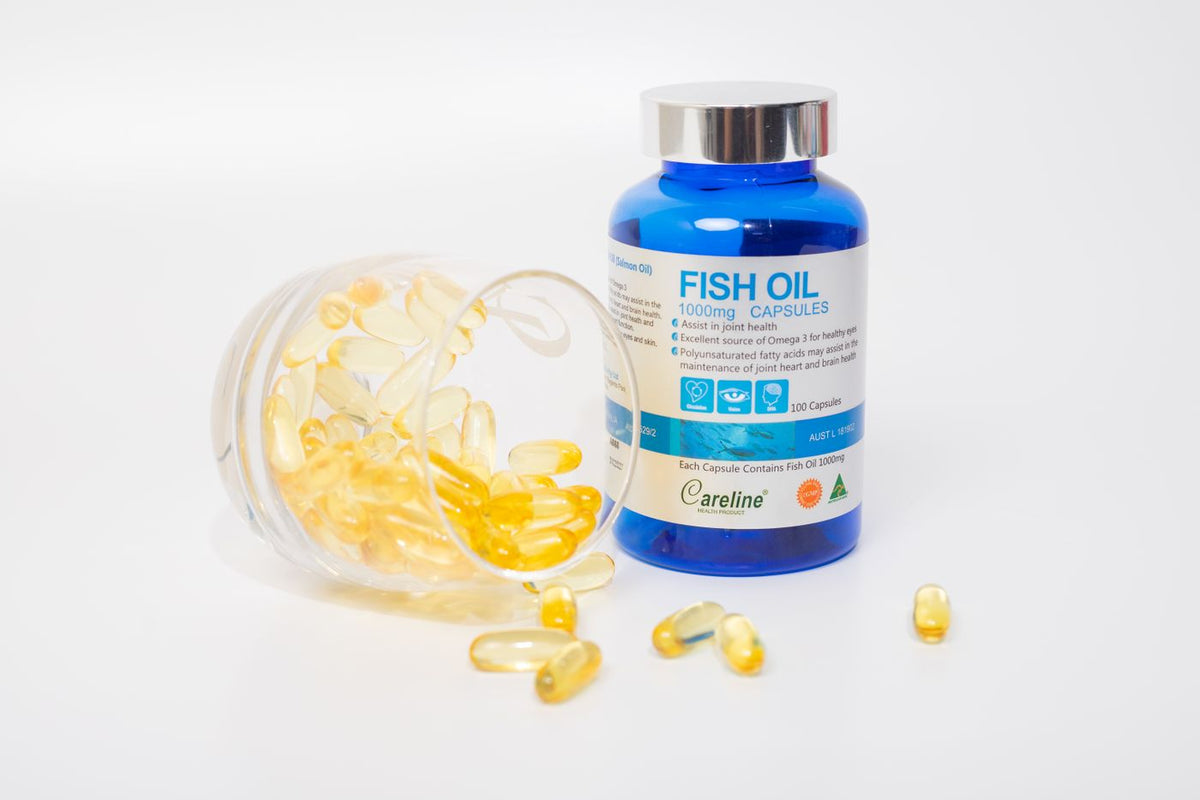
Most research used fish oil or other EPA and DHA products; the findings do not automatically apply to ALA.
- Heart: large reviews. A 2020 Cochrane review of 86 trials (162,796 people) found that more EPA and DHA made little or no difference to deaths from any cause or to overall cardiovascular events. It may slightly reduce coronary heart disease events and deaths (low-certainty evidence). More ALA probably made little or no difference to deaths and may slightly reduce cardiovascular events.
- VITAL (2019): 25,871 US adults took 1 g a day of omega-3s (460 mg EPA and 380 mg DHA) or placebo for a median of 5.3 years. The capsules did not significantly reduce major cardiovascular events combined, although heart attacks were 28% lower in the omega-3 group.
- ASCEND (2018): in 15,480 adults with diabetes, the same 1 g dose for a mean of 7.4 years had no significant effect on serious vascular events.
- Prescription omega-3 medicines are different. REDUCE-IT tested 4 g a day of icosapent ethyl, a high-dose prescription form of EPA, in 8,179 people with heart disease, or diabetes plus other risk factors, whose triglycerides were raised despite statin treatment. Cardiovascular events were 25% lower than with a mineral-oil placebo, but the NIH notes that mineral oil is not a neutral placebo. The STRENGTH trial of a different 4 g prescription omega-3 found no benefit. These results do not apply to ordinary supplements.
- Triglycerides: EPA and DHA reduce blood triglycerides by about 15%, with high-certainty evidence, but do not affect other blood fats.
- Eyes: in the large NIH-funded DREAM trial in people with dry eye disease, fish oil supplements were no more helpful than placebo.
- Mood and memory: evidence on depression is low quality, and supplements did not affect cognitive function in healthy older adults.
Women's health questions, from skin to mood, are covered in omega-3 for women.
Omega 3 capsules uses: who might consider them
Food comes first: see our list of omega 3 rich foods for Indian meals. Capsules are most often used by:
- people who rarely eat oily fish such as sardines, mackerel, pomfret or hilsa
- vegetarians and vegans who want DHA (algal oil) or a measured amount of ALA (flaxseed oil)
- people whose doctor has advised omega-3 for a specific reason, such as very high triglycerides, where prescription products may be used
How to read an omega-3 capsule label
- Look for EPA and DHA in mg per capsule, not the oil weight. "1,000 mg fish oil" usually means only about 300 mg of EPA and DHA.
- Add up per serving. If the serving is two capsules, the EPA and DHA per serving is what counts.
- Flaxseed oil labels should state ALA and should not suggest they provide EPA or DHA. For example, Omegaco provides 560 mg of cold-pressed flaxseed oil per capsule (an estimated ~300 mg ALA) in a plant-based capsule. It contains no EPA or DHA, and the EU ALA claim (2 g a day) does not apply to one capsule.
- Form: triglyceride and free fatty acid forms are somewhat better absorbed than ethyl esters, but all forms raise blood EPA and DHA.
- Fish oil and mercury: omega-3 supplements tested have not been found to contain methylmercury.
How many omega 3 capsules per day, and when to take them

There is no single right number, because products differ. Follow the label. As a guide:
- One typical fish oil capsule (about 300 mg EPA and DHA) already exceeds the 250 mg EPA and DHA adequate intake set by EFSA.
- US and European authorities consider up to about 5 g a day of EPA and DHA from supplements to be safe.
- Higher doses, such as the 2–4 g a day used for triglycerides, should only be taken with medical advice. Two large trials found that 4 g a day for several years slightly increased the risk of an irregular heart rhythm (atrial fibrillation) in people with or at high risk of heart disease.
When to take omega 3 capsules is mostly about habit: take them with a meal, at a time you will remember every day. Our article can we take omega 3 at night? covers morning versus night in detail.
Omega 3 capsules side effects and who should be careful
Side effects are usually mild. They include an unpleasant taste or fishy burps, bad breath, heartburn, nausea, stomach discomfort, diarrhoea, headache and odorous sweat. Be careful if:
- You take blood thinners such as warfarin or antiplatelet medicines. High-dose fish oil may affect blood clotting, and flaxseed oil might add to the effect of these medicines. Speak to your doctor first.
- You have a fish or seafood allergy. Ask your doctor before taking fish or krill oil; algal or flaxseed oil avoids fish.
- You are pregnant or breastfeeding, or have a heart rhythm problem. Take advice before starting any omega-3 supplement.
- You take cod liver oil with other supplements, because its vitamins A and D add to your total intake.
Frequently asked questions
Is it safe to take omega 3 capsules daily?
For most healthy adults, taking a standard omega-3 capsule daily at the label dose is considered safe. Side effects are usually mild. Ask your doctor first if you take medicines that affect blood clotting.
Are veg omega 3 capsules as good as fish oil?
It depends on the type. Algal oil provides DHA, as fish oil does. Flaxseed oil provides ALA, which the body converts to EPA and DHA only in small amounts, so it is not a like-for-like replacement for fish oil.
Do omega 3 capsules lower cholesterol?
In trials, EPA and DHA lowered blood triglycerides by about 15% on average but did not affect other blood fats. If your cholesterol or triglycerides are high, follow your doctor's advice rather than relying on supplements.
References
- National Institutes of Health, Office of Dietary Supplements. Omega-3 Fatty Acids: Fact Sheet for Health Professionals. ods.od.nih.gov
- National Center for Complementary and Integrative Health. Omega-3 Supplements: What You Need To Know. nccih.nih.gov
- Commission Regulation (EU) No 432/2012 establishing a list of permitted health claims made on foods. legislation.gov.uk
- European Food Safety Authority. Scientific Opinion on Dietary Reference Values for fats. EFSA Journal. 2010;8(3):1461. doi:10.2903/j.efsa.2010.1461
- Abdelhamid AS, Brown TJ, Brainard JS, et al. Omega-3 fatty acids for the primary and secondary prevention of cardiovascular disease. Cochrane Database of Systematic Reviews. 2020;3:CD003177. doi:10.1002/14651858.CD003177.pub5
- Manson JE, et al. Marine n−3 fatty acids and prevention of cardiovascular disease and cancer. New England Journal of Medicine. 2019;380(1):23–32. doi:10.1056/NEJMoa1811403
- ASCEND Study Collaborative Group. Effects of n−3 fatty acid supplements in diabetes mellitus. New England Journal of Medicine. 2018;379(16):1540–1550. doi:10.1056/NEJMoa1804989
- Bhatt DL, et al. Cardiovascular risk reduction with icosapent ethyl for hypertriglyceridemia. New England Journal of Medicine. 2019;380(1):11–22. doi:10.1056/NEJMoa1812792
- National Center for Complementary and Integrative Health. Flaxseed and Flaxseed Oil. nccih.nih.gov
This article is for general education and is not medical advice. Food supplements are not intended to diagnose, treat, cure or prevent any disease. Consult a qualified healthcare professional before starting any supplement, particularly if you are pregnant, breastfeeding, have a medical condition or take medication.